Anthropic stages the largest IPO in history as broader markets sell off sharply
The maker of Claude became the first purely AI company to go public, opening at $111.50 and closing up 17 percent even as the Nasdaq fell 2.3 percent.
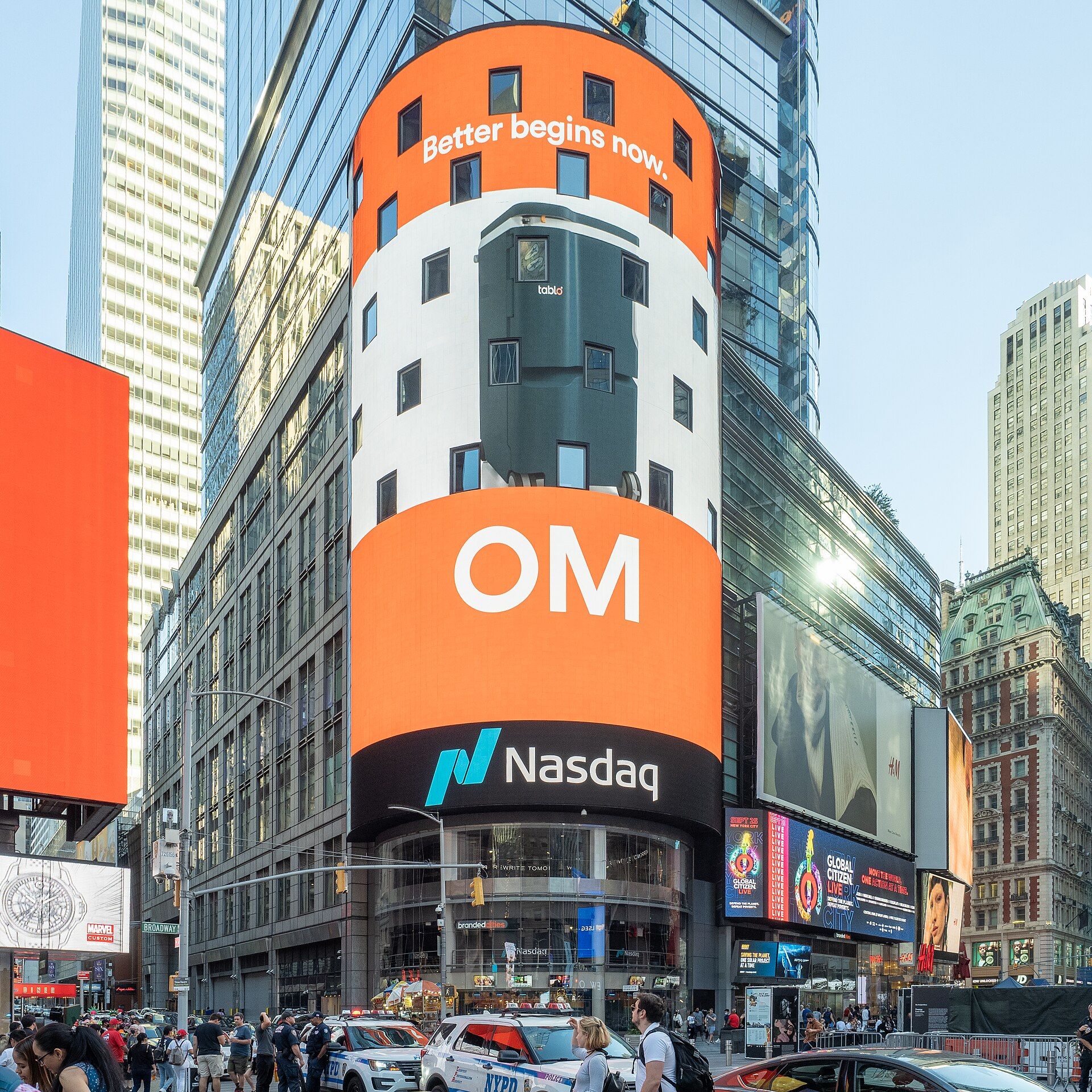
Anthropic began trading on Nasdaq Thursday, becoming the first purely AI company to go public. The maker of Claude opened at approximately $111.50 and closed at $97.17, up roughly 17% from the $83 IPO price.
The IPO price of $83 was above the projected $70–$78 range, set the day before trading began. The deal raised more than $81 billion in proceeds, the largest IPO in history. The opening share price briefly valued the company at approximately $2 trillion. Only five companies had a higher market cap at opening: Apple, Amazon, Alphabet, Nvidia, and Microsoft. The IPO funding, together with existing fundraising and new private offerings timed to coincide with the debut, will leave Anthropic with an expected $220 billion in cash reserves. The seven co-founders’ total paper fortunes exceeded $180 billion. Investors had anticipated the offering as a “clearing event” for the tech sector after months of choppy trading, the Nvidia espionage scandal, and concerns about AI chip sales to Asia. More than $1 trillion has been spent in the last year alone by a handful of major tech companies on AI buildout. “Bubbles don’t burst on the day of the largest deal,” said Richard Whittle, an economist at the University of Salford. “They burst later, if the positive future becomes suspect.” As the first frontier lab to reach the public market, Anthropic has no obvious comparator. Neil Wilson, an investor strategist at Saxo UK, said there was no obvious peer to compare it to and that nobody really knows how to value the company.
A market that sold off around it
The Nasdaq Composite closed down approximately 2.3%. The S&P 500 fell 2%, its sixth straight losing day — the longest streak since 19 April 2024. The Dow Jones Industrial Average sank 2.2%. Alphabet was down 2.9% and Amazon lost almost 3.9%. CoreWeave closed down more than 6%. AMD closed down more than 7% after Hunterbrook Media alleged firmware turned up in U.S.-blacklisted companies; AMD told CNBC it complies with U.S. law. The House Foreign Affairs Committee released documents showing a Commerce Department subagency approved the sale of more than 879,000 AI chips to Chinese companies. “There’s a reset of AI in general,” said JJ Kinahan, senior vice president at Cboe Global Markets. Investors for years have profited in tech by buying the dip, he said, but “there’s been an attitude change that [you] can’t buy things blindly and they’ll all go up.” Friday will be a “wild card,” Kinahan added. “There’s a bigger test coming Monday.”
Safety on the podium and in Congress
Dario Amodei spoke about AI safety before the opening bell. He said the company has always been honest that the technology carries very real risks, ranging from misuse by individuals or nation states to economic disruption to losing control of AI systems, and that avoiding them depends on the choices made by the people building it. Amodei is CEO and co-founder. Anthropic started just five years ago. The AI industry is estimated at 3.6% of the US economy. The sector lost $500 billion in the first six days of the Nvidia scandal. “Given the risks to our economy and investors, Congress must make sure that industry understands this: No company is too big to fail, and in the event of a financial collapse of the tech sector, there will be no taxpayer-funded bailout,” Democratic US Senator Adam Schiff wrote in the Wall Street Journal.
The test ahead
SpaceX shares jumped about 10% on its first day, reaching a valuation above $2 trillion, then fell below its debut price within a month. Ben Barringer, who leads technology research at Quilter Cheviot, said the “initial exuberance” around Anthropic will wear off, pointing to the SpaceX precedent. Options on Anthropic start trading Monday. “If people think we’re going up [on Anthropic] they’ll buy stock, but retail particularly will just buy calls,” Kinahan said. Combined revenue growth for OpenAI plus Anthropic went from 75% sequentially in Q2 to 48% in Q3. Combined losses for the two went from $7.9 billion in Q2 to about $8.4 billion in Q3. Part of the challenge, Niles said, has been a price war between the two frontier labs, posing a threat to overall revenue and profit potential. Dan Niles described himself as a “circumspect bull,” comparing conditions to 2022. “You could have still made money that year,” he said. “You just needed to have the right combination of longs and shorts.”
Sources & methods
- BBC News, 19 November 2026 Archived Nov 20, 2026
- CNBC, 19 November 2026 Archived Nov 20, 2026
- The Guardian / Associated Press, 19 November 2026 Archived Nov 20, 2026
- TechCrunch, 19 November 2026 Archived Nov 20, 2026
Reporting based on coverage from BBC News, CNBC, The Guardian/Associated Press, and TechCrunch, published 19 November 2026.