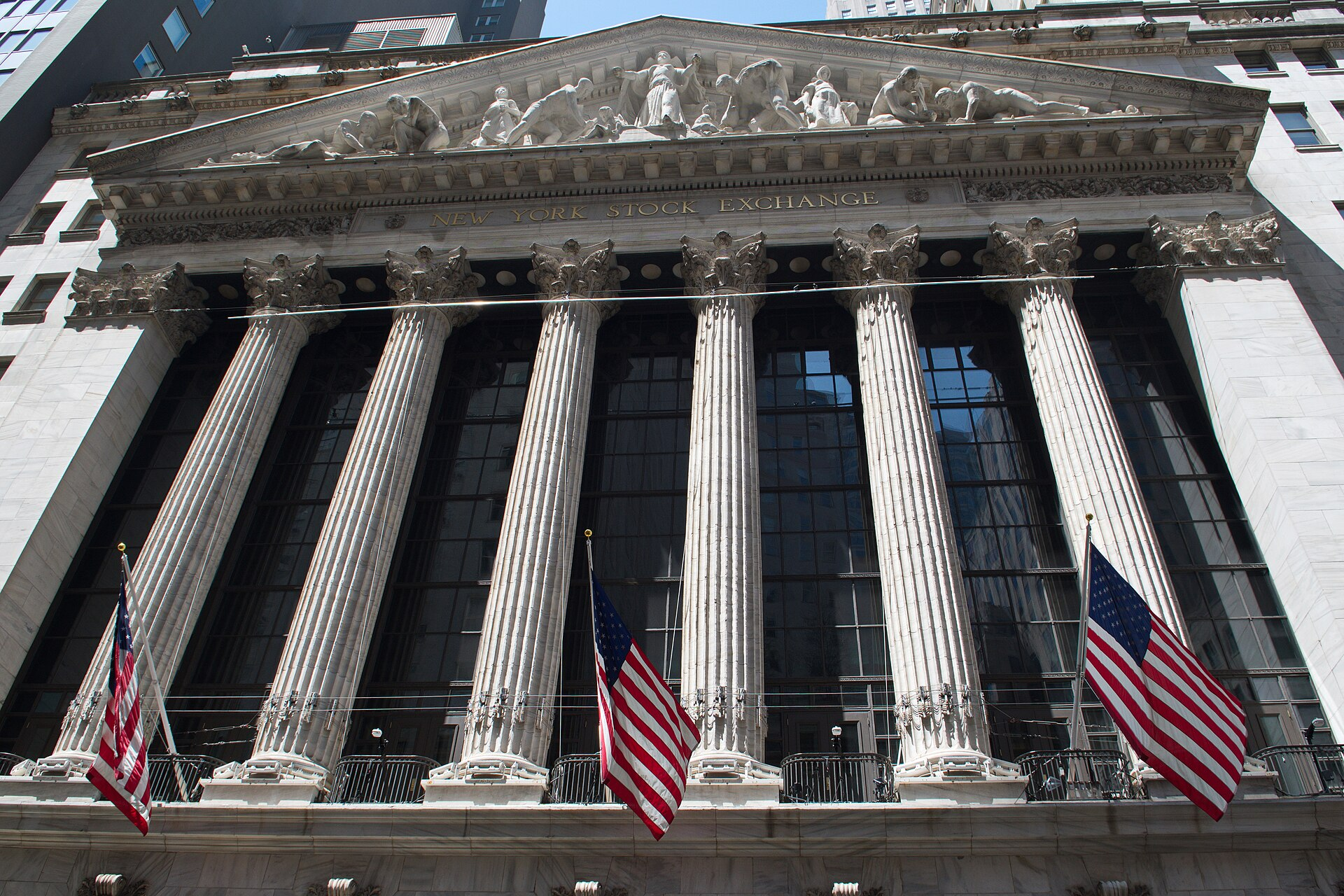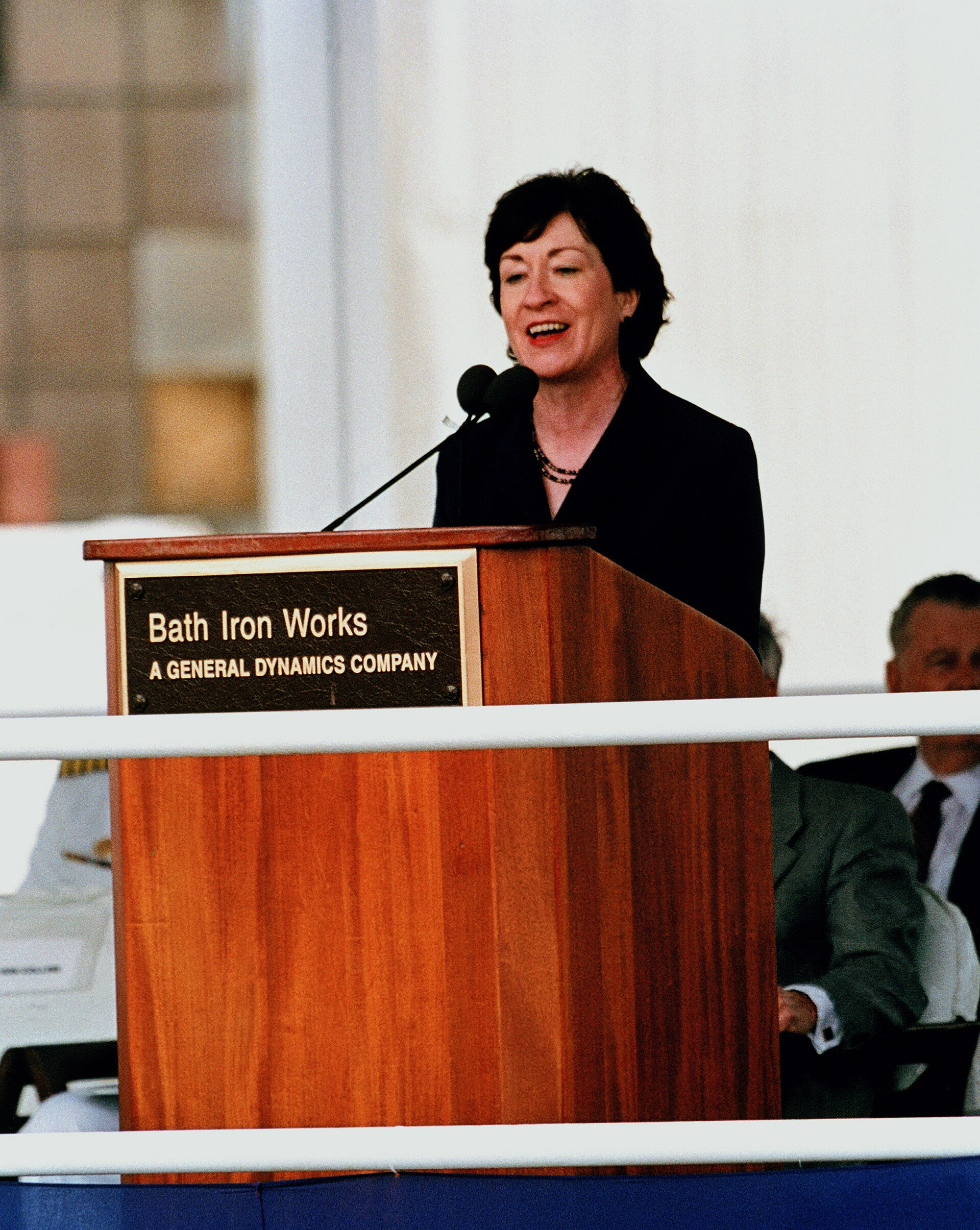
Jerome Powell’s term as Fed chair ended Friday, but the Board kept him in the seat on a temporary basis, and on the Board itself through 2028. Kevin Warsh inherits a central bank with the highest inflation print in three years.
The seasonally adjusted final-demand index rose 1.4 percent in April. That is the largest monthly producer-price advance the Bureau of Labor Statistics has recorded since March 2022, and two-thirds of the rise is concentrated in trade-services margins, the gap between what wholesalers and retailers paid for a good and what they charged to send it on. The shock is downstream now.
Headline CPI ran 3.8 percent over the last 12 months. Energy and shelter did most of the work. Real average hourly earnings fell 0.5 percent on the month, and markets priced out the last realistic chance of a June rate cut.
The Bureau of Labor Statistics published its preliminary first-quarter Productivity and Costs release this week. Workers produced 2.9 percent more per hour than a year earlier; the share of that output paid back as compensation is the smallest on record.
The Federal Reserve’s G.19 release on Thursday put total outstanding consumer credit at $5.14 trillion. Revolving balances, which is mostly credit cards, rose at a 3.8 percent annual rate against an average card APR of 21.52 percent.
New York filed suit in January against the former chief executive of Emergent BioSolutions for selling more than $10 million in stock under a 10b5-1 plan adopted, the state alleges, after he learned the company’s Baltimore plant had contaminated AstraZeneca vaccine batches. The Attorney General settled with Emergent for $900,000. Four years of FDA, congressional, and SEC records sit behind both filings.
Computers and electronic products posted their biggest monthly jump since 2001. Strip them out, and most of what the data center boom is buying looks nothing like the rest of American manufacturing.
The ISM Manufacturing PMI held at 52.7 percent for a second month. Underneath that flat headline, the prices subindex jumped to 84.6 percent, and the employment subindex fell deeper into contraction.