Federal interest-rate decision held steady; chair says inflation path 'broadly intact'
The central bank kept rates unchanged for a fourth meeting. Markets opened modestly higher; bond yields softened.
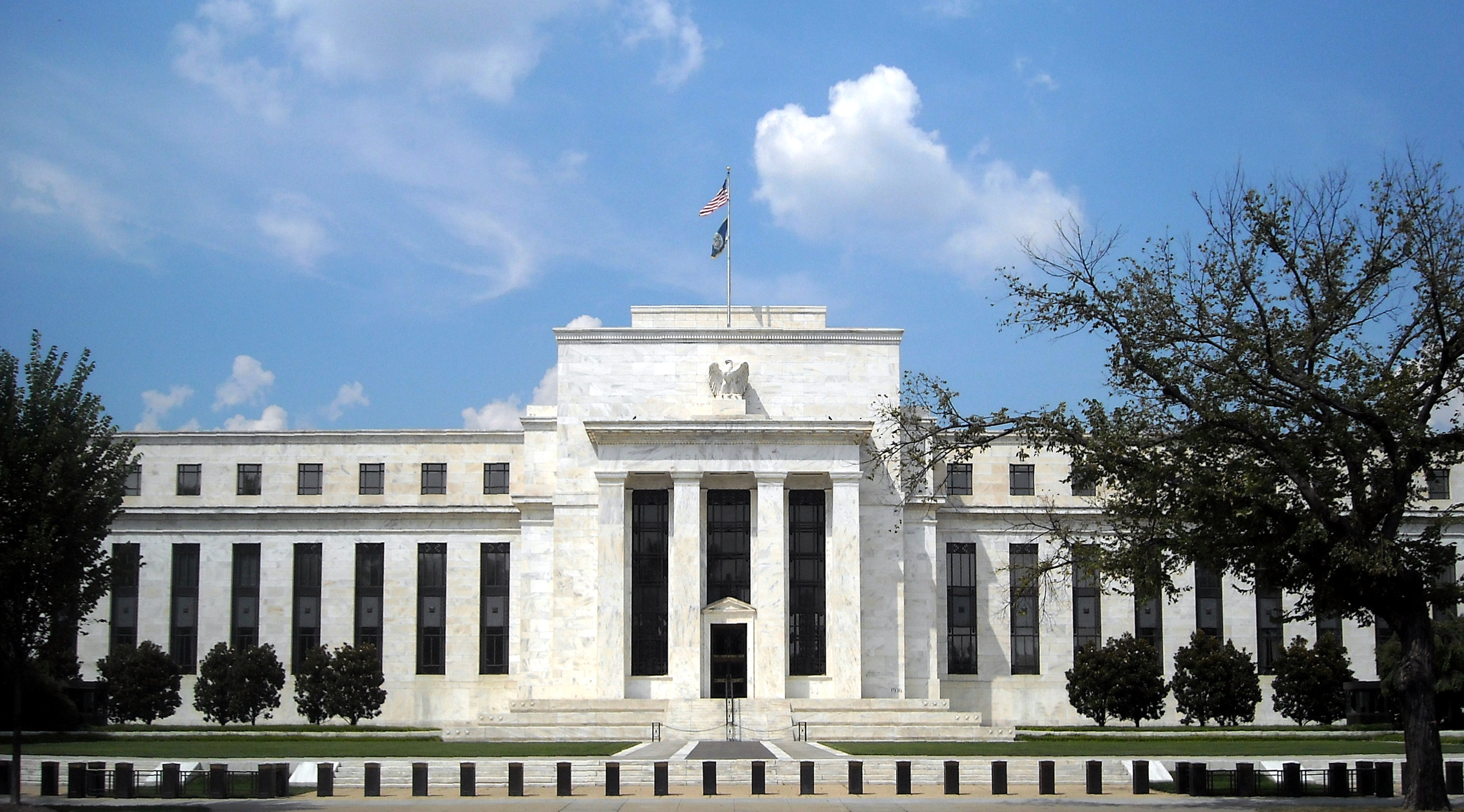
The Federal Reserve held its benchmark rate at a range of 4.25 to 4.50 percent on Wednesday for a fourth consecutive meeting, with chair statements describing the inflation path as “broadly intact” and the labor market as gradually rebalancing. Markets responded with a modest opening rally, and two-year Treasury yields softened by four basis points in the first hour of trading.
The decision was unanimous. The statement language softened slightly on the inflation outlook, replacing “elevated” with “elevated but easing,” a small but tracked edit by market readers who model word changes between meetings.
What changed in the statement
A central bank does not move on one number. It moves on a trend it can defend. — Adapted from chair remarks, May 14 press conference
Three measures matter for the next meeting: the next two CPI prints, the employment-cost index due in late July, and the supply-side disruption indicators tracked by the New York Fed. Officials have signaled they want to see two consecutive months of headline inflation under 2.5 percent before a cut comes under serious consideration.
What it means for households
For working households, the practical effect is unchanged: mortgage rates remain in the high six percent range, auto-loan rates remain at decade highs, and savings-account yields hold above three percent at most online banks. The bigger story for the next six months is wage growth versus food and rent — the two categories driving the bulk of household budget complaints.
The next meeting is scheduled for 17 June. Two members of the Open Market Committee will speak publicly before then; both are considered slightly more hawkish than the median.
Sources & methods
- Federal Reserve · FOMC meeting calendars and statements Archived May 15, 2026
- Federal Reserve · press releases Archived May 15, 2026
- Bureau of Labor Statistics · Consumer Price Index
- Federal Reserve Bank of New York · Global Supply Chain Pressure Index Archived May 15, 2026
Reporting draws from the official FOMC statement, the live press-conference transcript, the latest BLS data series, and the NY Fed supply-chain pressure index. No predictive claims are made beyond what officials placed on the record.