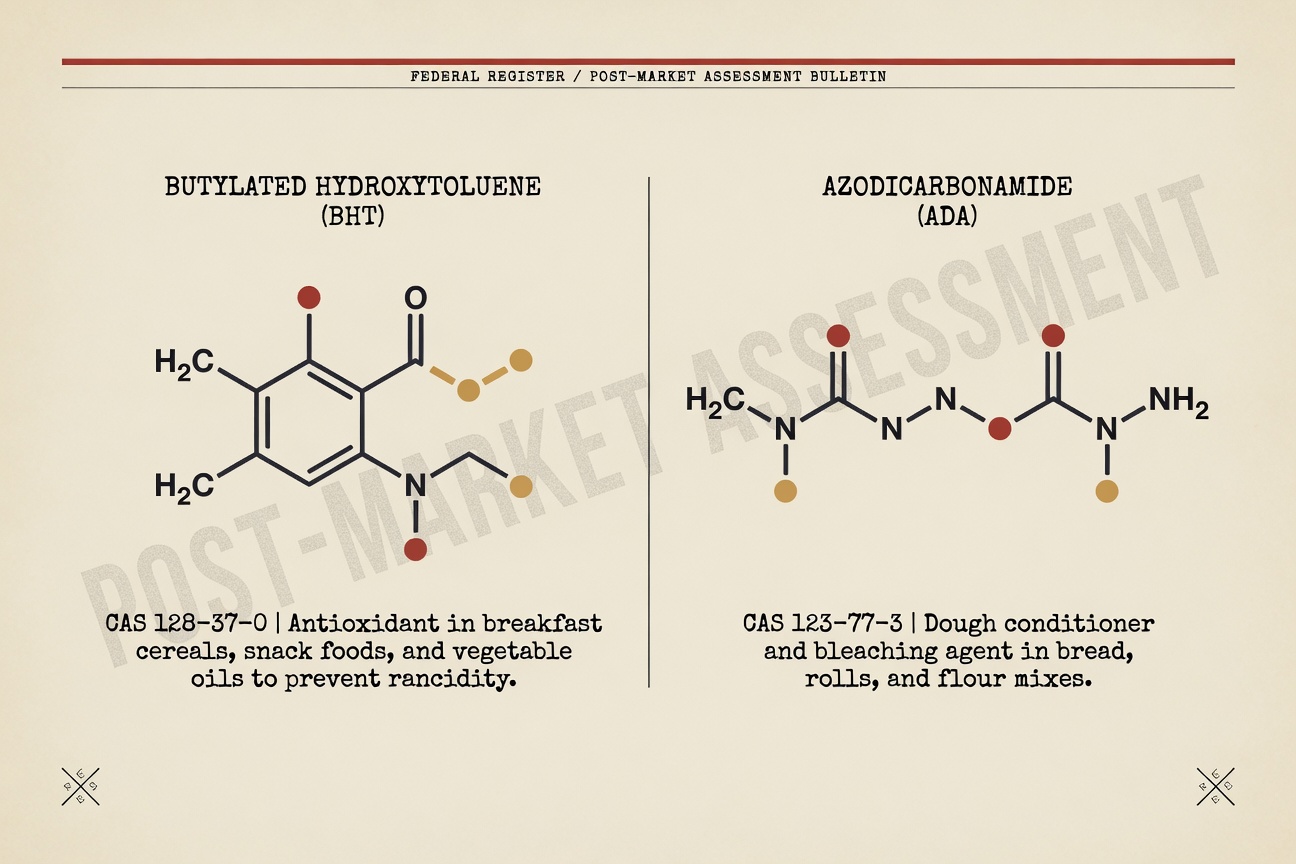
The agency’s May 12 framework formalizes how it intends to revisit chemicals already in the American food supply, and names butylated hydroxytoluene and azodicarbonamide as its first two test cases. Both reassessments are at the entry step of a four-step process, and neither will change either additive’s current status during the assessment. The public comment period for the two requests for information closes on July 13, 2026.
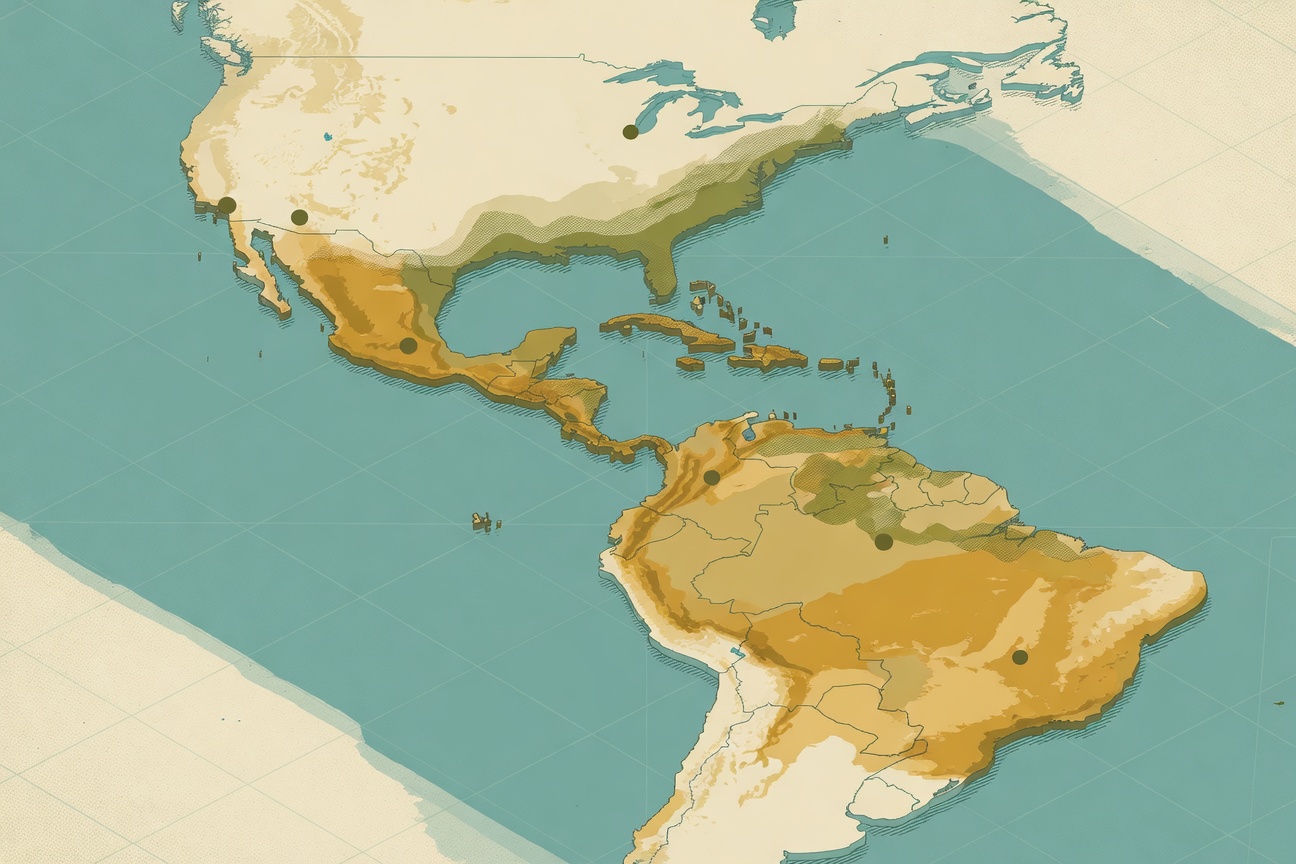
The CDC’s Dengue Branch reports 3,798 U.S. cases for 2024 in the Morbidity and Mortality Weekly Report, a 359 percent jump above the 10-year average and the highest annual total in the surveillance record. Travel-associated infections account for 97.2 percent of those cases; the 105 locally acquired cases, in Florida, California, and Texas, are the smaller number and the leading indicator.
The WHO declared a Public Health Emergency of International Concern on May 17 after the DRC's seventeenth Ebola outbreak spread to Kampala. The Bundibugyo strain, which has no approved vaccine or targeted treatment, last caused a documented human outbreak in 2012.
A multi-country outbreak tied to the M/V Hondius, an expedition cruise that sailed from Ushuaia on April 1, has produced 11 cases and three deaths. The risk to the U.S. public remains, in the CDC’s words, extremely low. The uncertainty sits elsewhere.
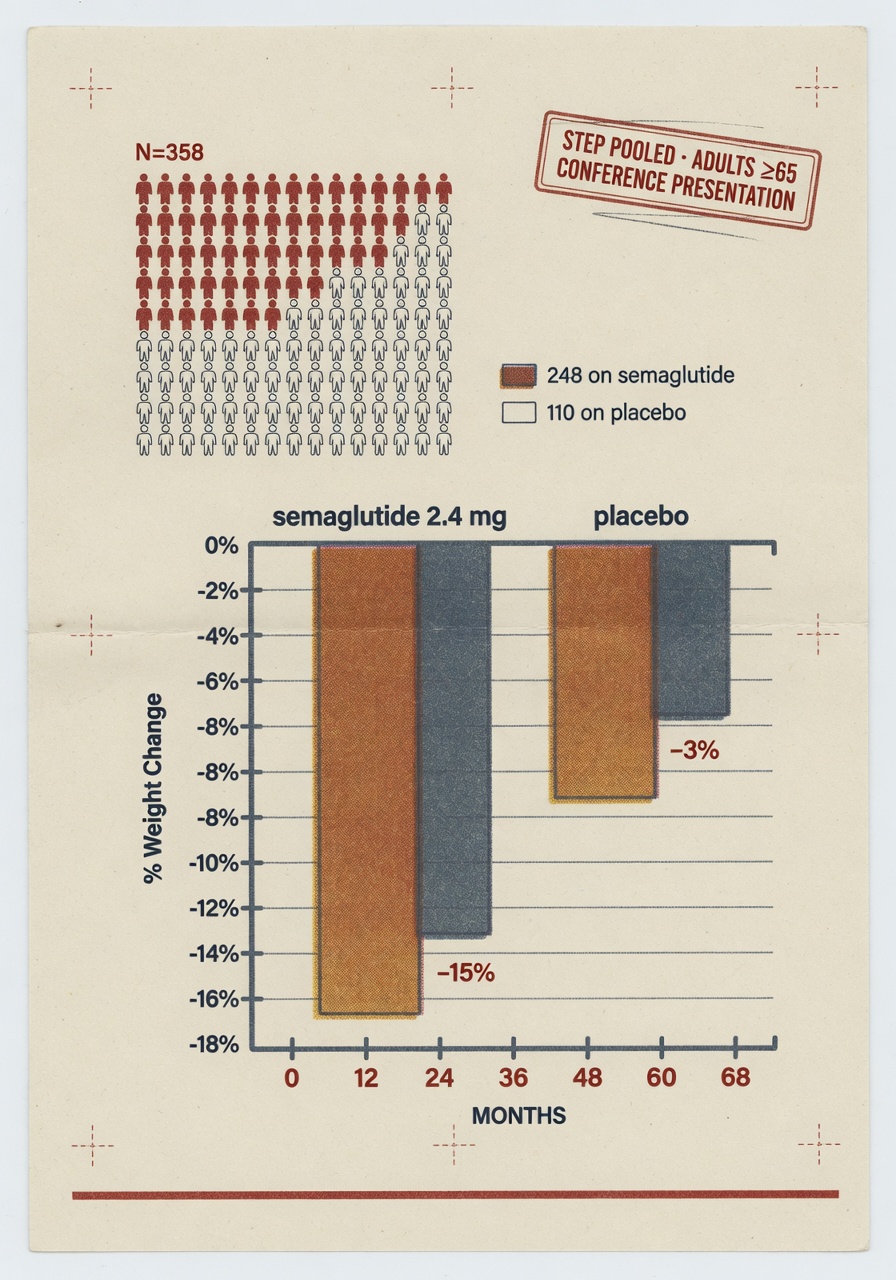
A Novo Nordisk–funded pooled analysis of six STEP trials, presented this week at the European Congress on Obesity in Istanbul, reports a 15.4 percent mean body-weight reduction at 68 weeks among adults aged 65 and over on semaglutide 2.4 mg, against 5.1 percent on placebo. The result was presented as a conference abstract, not a peer-reviewed paper. The subgroup is 358 participants, industry-funded, and screened on entry criteria most 65-year-olds in primary care do not meet.
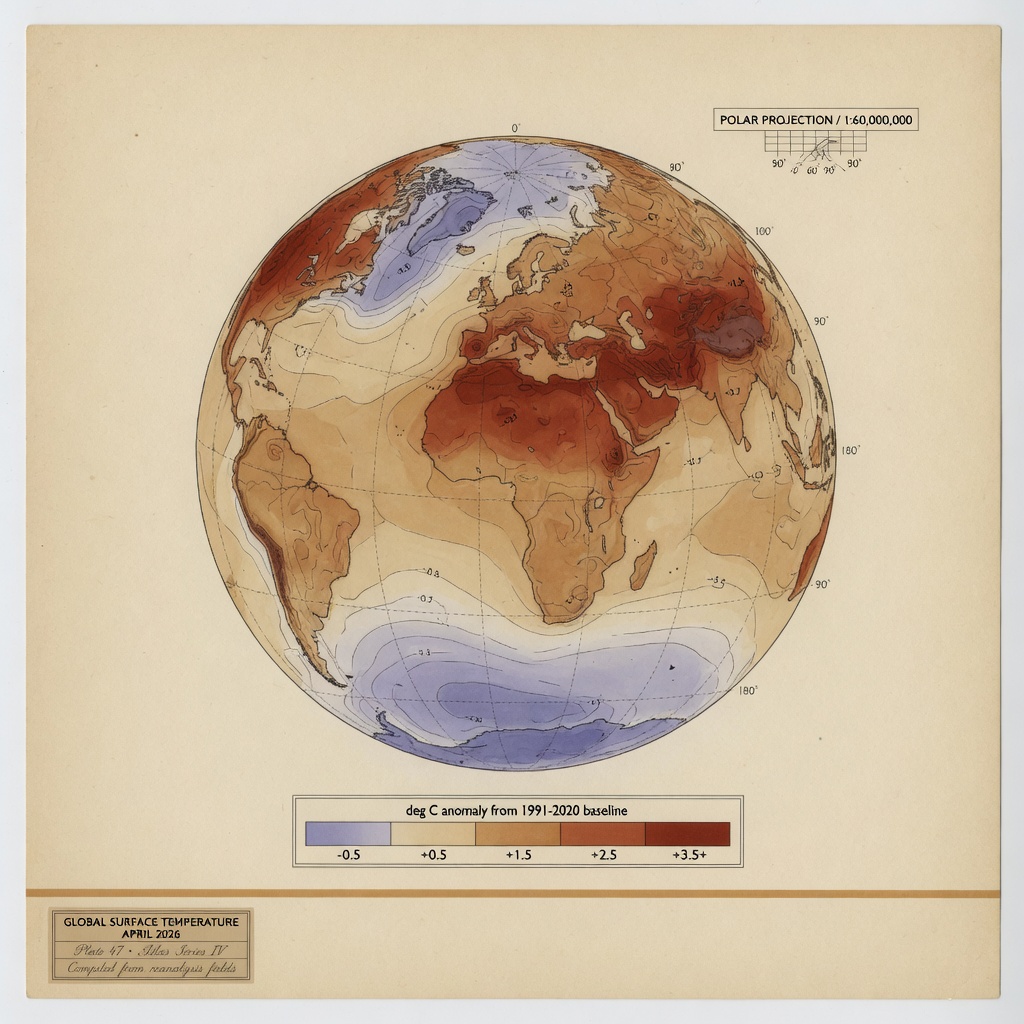
The three monthly global temperature analyses for April 2026, released within four days of each other, agree the month was 1.12 to 1.43 degrees Celsius above their respective baselines and disagree on the ranking by a single position. The gap is methodological, not contested, and the agencies have explained it for years.
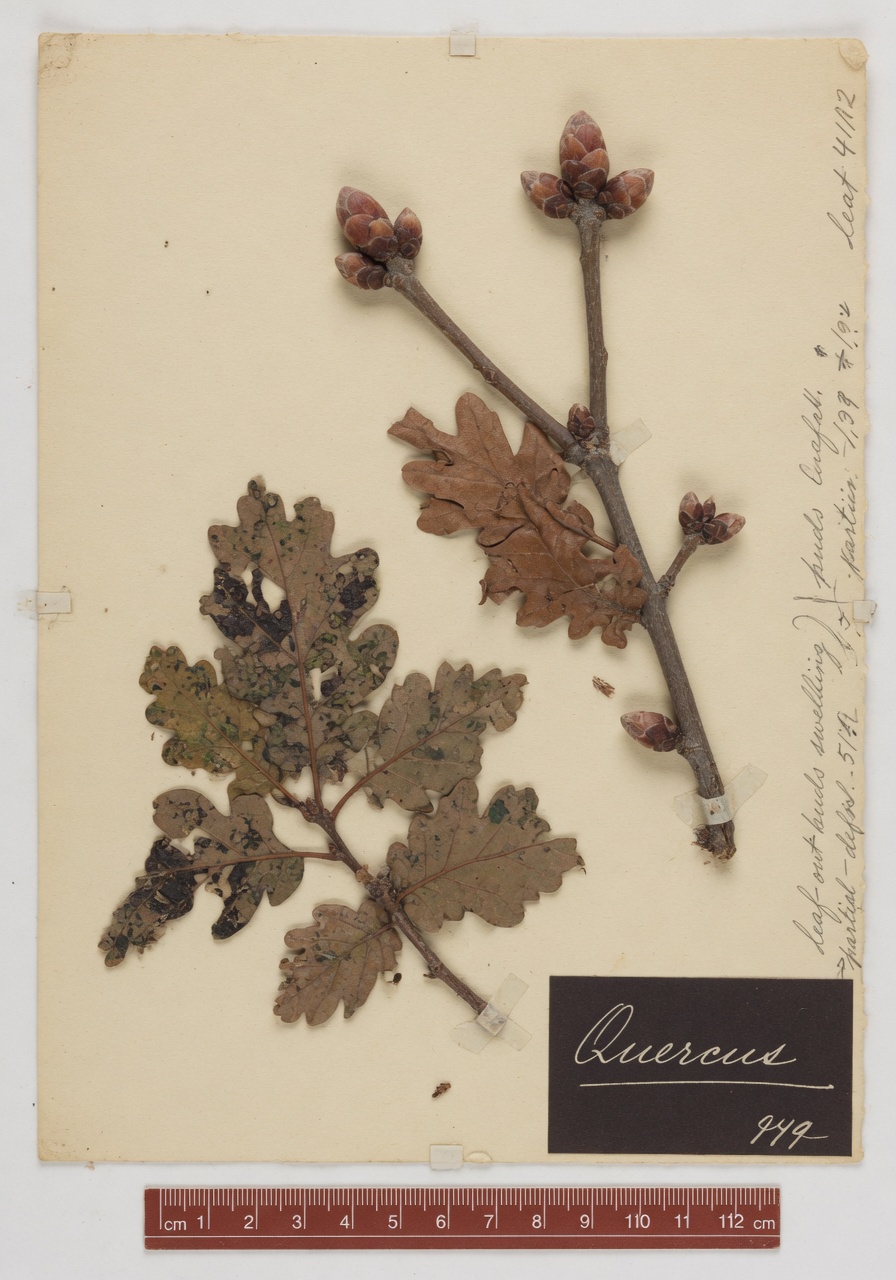
A Sentinel-1 radar analysis of 60 forest sites across Northern Bavaria, published this month in Nature Ecology & Evolution, links heavy 2019 caterpillar defoliation to a measurable lag in 2020 leaf emergence and a 55 percent reduction in subsequent leaf damage. The result is geographically narrow and methodologically novel; what it implies for warmer springs is still open.
The South Carolina Department of Public Health declared the Upstate outbreak over on April 26 after 42 days without transmission. Of the 997 cases, 932 were in people who were unvaccinated, and Spartanburg County’s school MMR coverage sat at 88.9 percent, below the threshold modelers use for community protection.