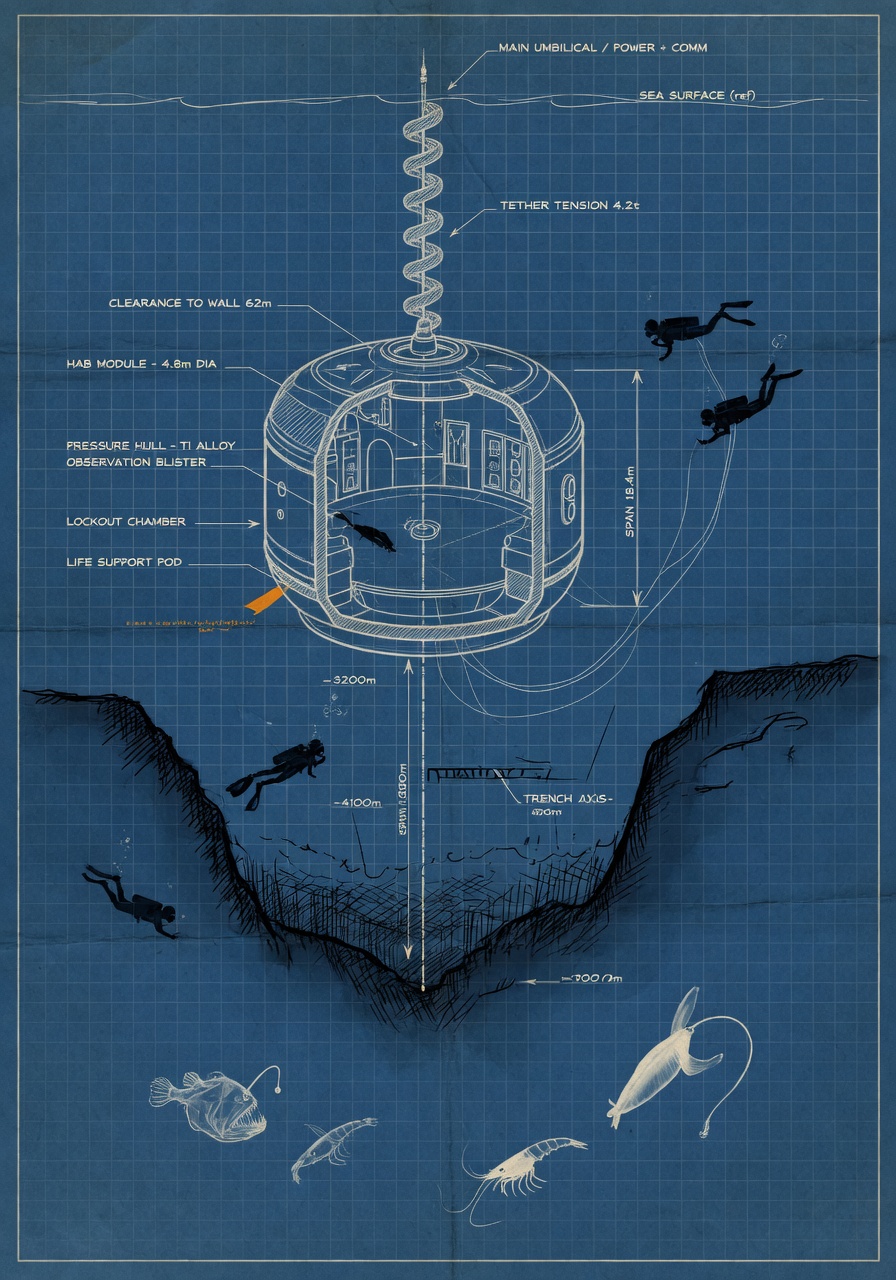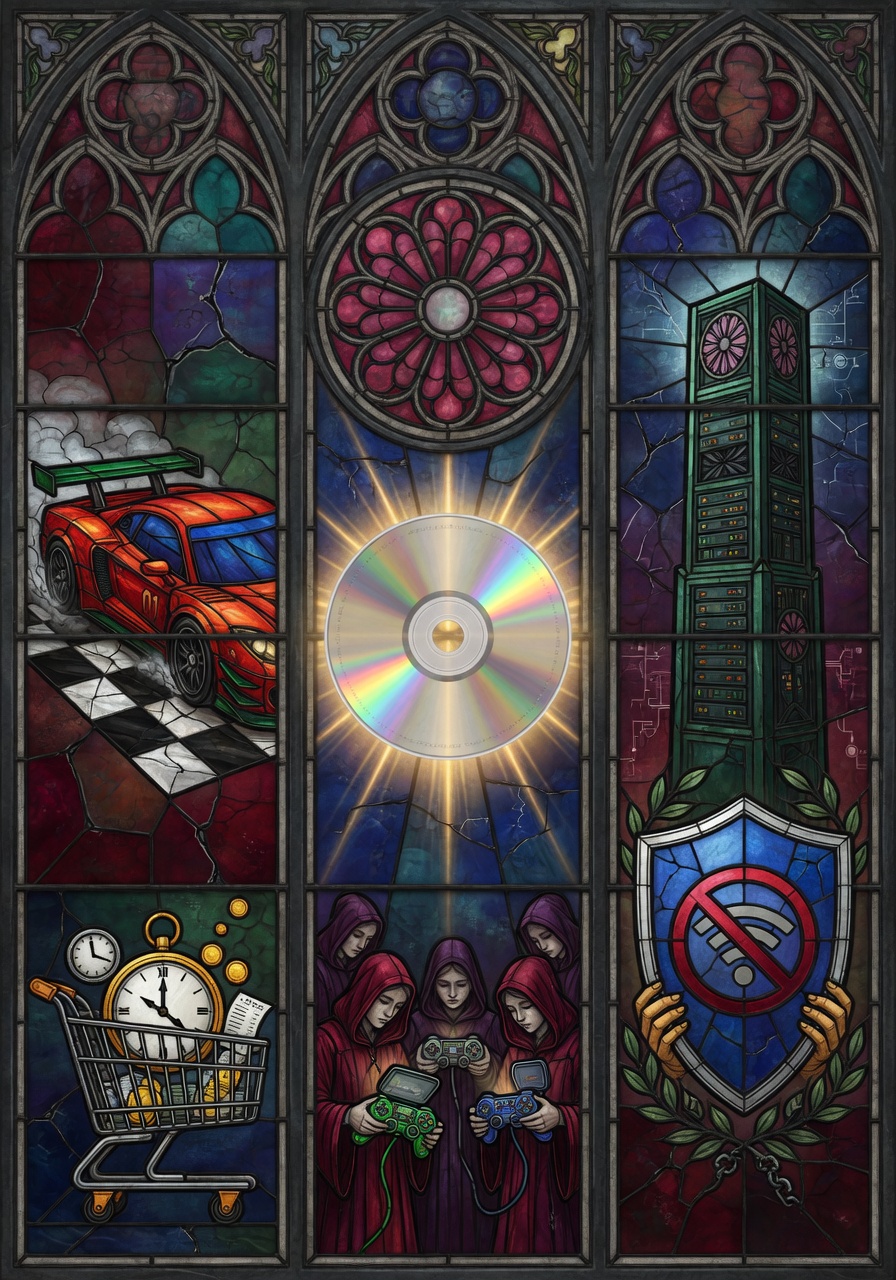
Unknown Worlds opened Subnautica 2 into Early Access on Thursday. Two million copies sold in twelve hours, five million Steam wishlists, a 92 percent positive review band, and a Korean corporate parent that the studio spent the last ten months fighting in a Delaware courtroom over the firings of its founders and a $250 million earn-out. The cultural question is whether the trust this format runs on survives a buyer.
Two libraries, one homescreen. The combined service will reach more than 200 million subscribers, and the choices about what to surface, what to shelve, and what to quietly label as duplicate will end up mattering more than the deal sheet does.
The eligible bargaining unit is just over 100 employees of the American Library Association. The vote that decides if those employees form ALA Workers United, an AFSCME affiliate, ends on the twenty-seventh. The campaign is small in headcount and large in symbolism. The institution that has spent a century writing the language libraries use to talk about labor is being asked to read its own pamphlet back.
A supermajority of the developers behind Magic: The Gathering Arena asked Hasbro to voluntarily recognise their union by International Workers’ Day. Hasbro answered the press instead of the workers. The labour fight inside one of the medium’s flagship live-service studios is now headed to a federal election, and the demands on the table are the ones the whole industry has been refusing to write down.
More than 1.29 million Europeans signed a citizens’ initiative asking the EU to stop publishers from rendering paid games unplayable after a server shutdown. A California bill is moving through committee with the same goal. The Commission’s deadline to respond is 27 July. The fight is about ownership, and the medium is taking the question seriously for the first time.
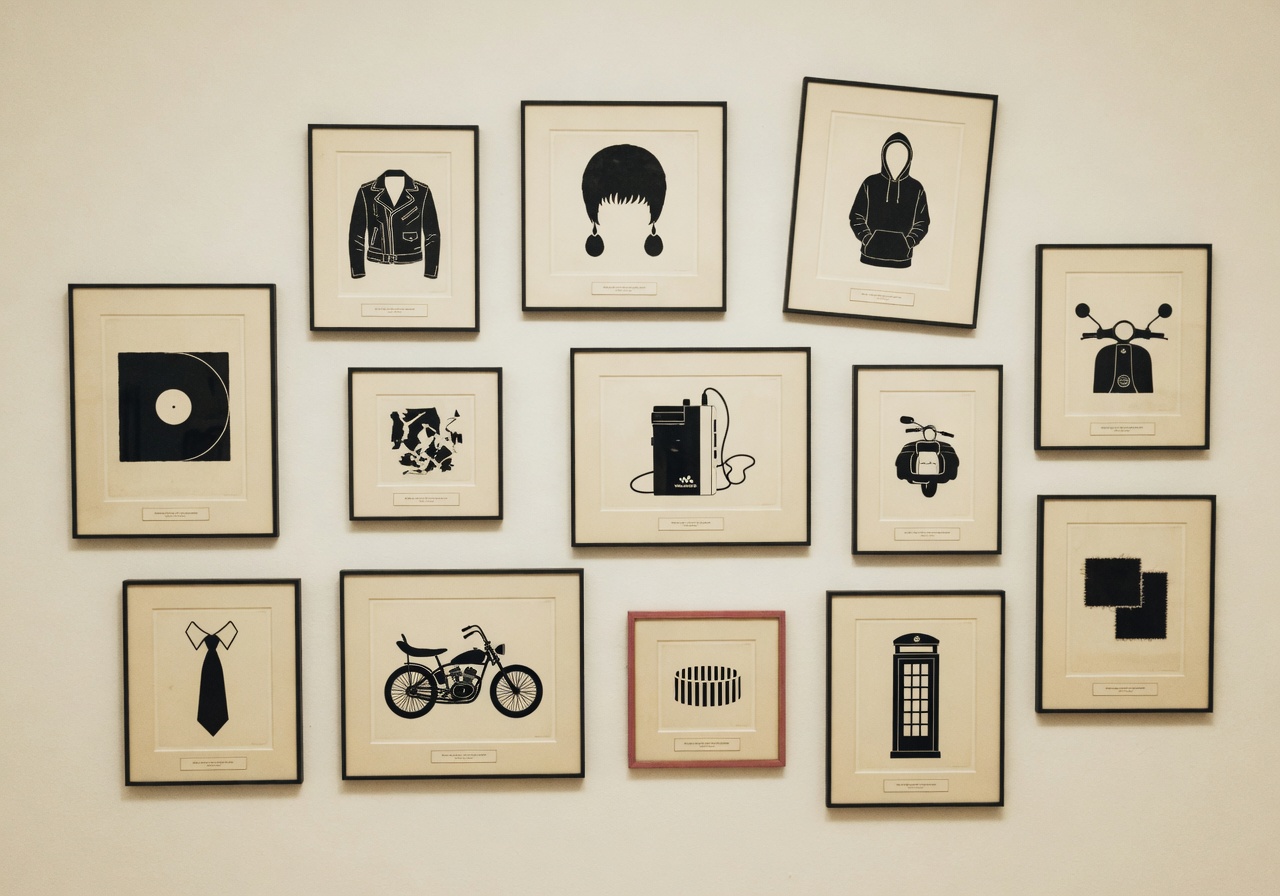
The first permanent museum devoted to British youth culture opens this Friday in Camden with 100,000 archived items spanning the 1920s to today. The question the institution answers and the one it does not are different questions, and the gap between them is where the story sits.
Radical Fish Games, the German studio behind one of the most beloved indie RPGs of the 2010s, ships Alabaster Dawn into Steam Early Access tomorrow. The plan is two years. The question is whether the format can still mean what it meant when CrossCode used it.
Vinyl crossed $1 billion. The format logged its 19th straight year of growth in the new global industry report, and yet roughly 40 percent of American record buyers do not own a turntable, by one analyst’s estimate. The artifact and the audio, for a meaningful slice of the audience, have come apart.
A London studio won a Gold ENNIE in 2024 for a 470-page tabletop rulebook nobody could quite get through. Eighteen months later, the follow-up is a 200-page tutorial, and nearly 2,000 backers funded it inside a week. The pitch is not more game. It is a way in.
A fantasy. The Devil Wears Prada 2 opened to $445 million in theaters and ends with a benevolent billionaire buyer arriving to rescue Runway from a craven corporate parent. That same forty-five-day window saw Condé Nast shutter Self after forty-seven years. The script and the ledger are not on the same page, but they are running on the same calendar.