A 200-page tutorial is the most interesting argument in tabletop right now
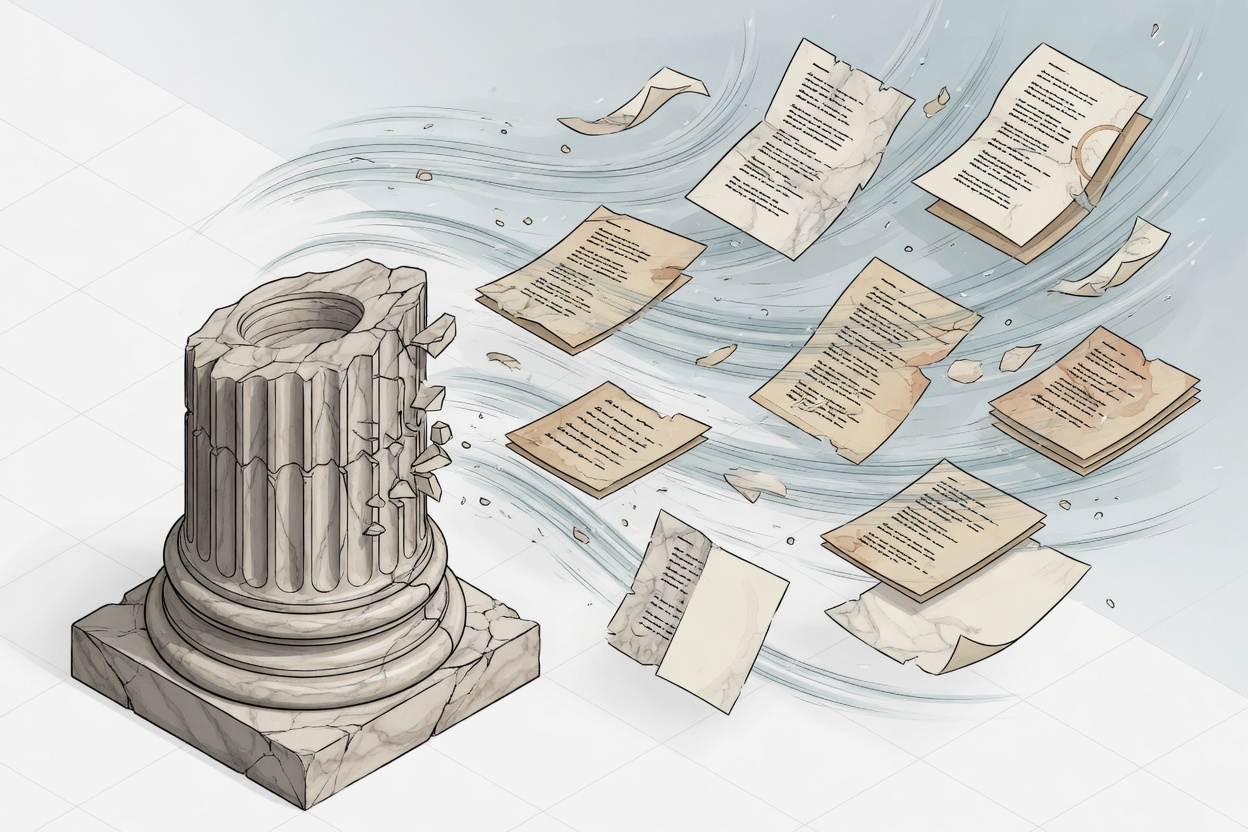
A London studio won a Gold ENNIE in 2024 for a 470-page tabletop rulebook nobody could quite get through. Eighteen months later, the follow-up is a 200-page tutorial, and nearly 2,000 backers funded it inside a week. The pitch is not more game. It is a way in.
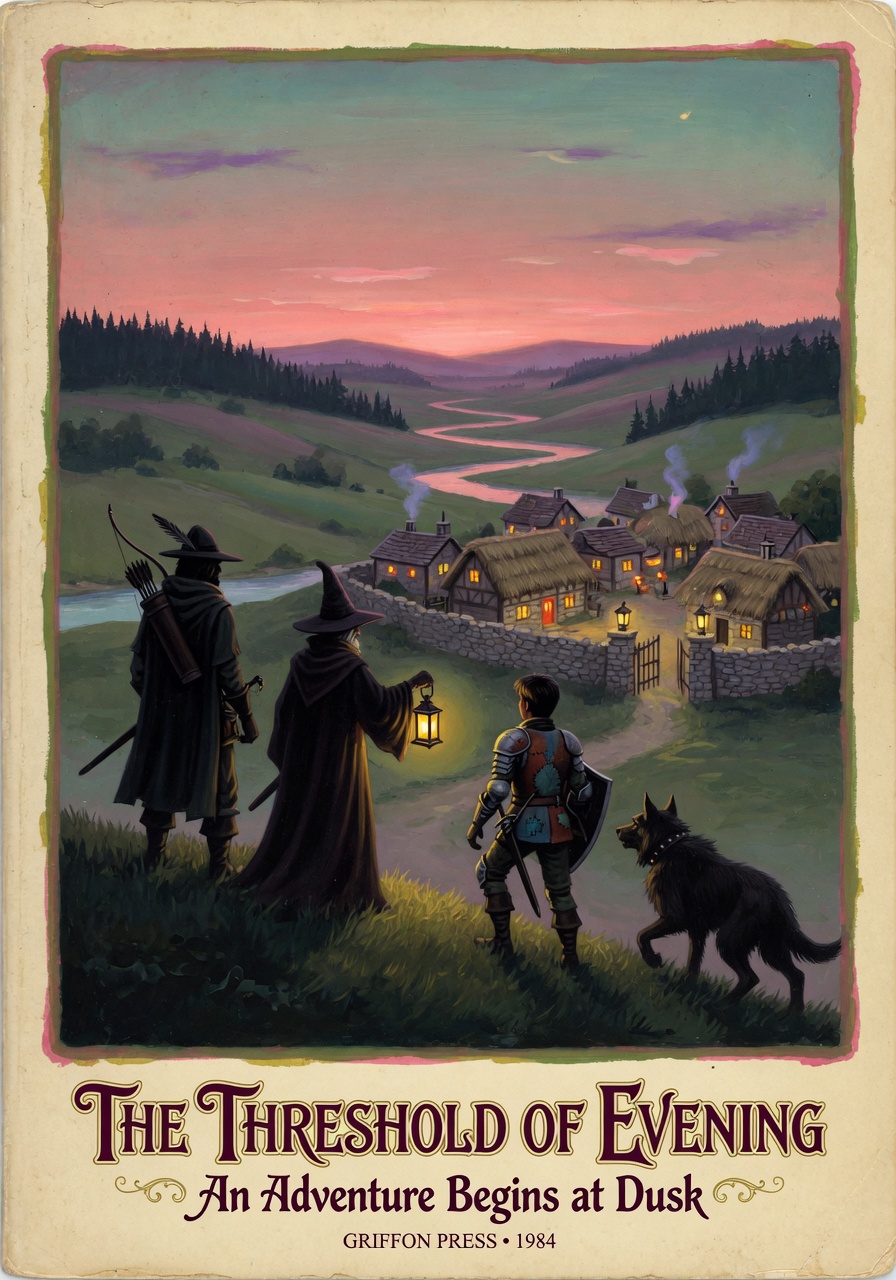
On the last day of April, a small London studio called Grey Wizard Press launched its second Kickstarter, and inside five days it had a hundred thousand pounds from nearly two thousand backers. The product is not a new game. It is a tutorial: a 200-page hardcover whose entire job is to teach you how to play the game the studio already shipped. That sentence sounds banal until you sit with it. A studio that won the 2024 Gold ENNIE for Best Family Game with a 470-page rulebook is now telling its audience, in public, that the rulebook was not enough. The starter set is the argument. The argument is that the tabletop hobby has an onboarding problem, and the way out of it is to design the on-ramp as a real product rather than a marketing afterthought.
The game is BREAK!!, a tabletop role-playing game from designers Reynaldo Madriñan and the studio collectively credited as Grey Wizard. The pitch, in the studio’s own words, is a system inspired by classic Japanese console role-playing games (Chrono Trigger, Secret of Mana among them) and by the fantasy-anime canon that runs from Nausicaa through Berserk and into Delicious in Dungeon. The current campaign, which the studio is calling START, runs through Thursday 28 May and has already cleared its £27,000 funding goal by something north of five times. The book ships an estimated March 2027. None of those numbers are the story. The story is the shape of the book itself.
What is inside the tutorial
START is structured in three parts. The first, Kuro’s Keep, is a tutorial adventure: a small enclosed scenario whose rooms double as rules lessons. You encounter a check, the book teaches you the check; you encounter a fight, the book teaches you initiative. The second part, Beacon, is a settlement adventure, where the rules expand to cover travel between locations, encounters with named non-player characters, and the social side of the system. The third, Shadowed Lands, is a sandbox region: a map with hooks, factions, and weather, designed to let a game-master run sessions for as long as a table wants without further scripting. The arc is deliberate. Kuro’s Keep teaches a player what a die roll means. Shadowed Lands teaches a game-master what a campaign is.
For a reader who has never sat at a table with a twenty-sided die, the design problem here is real and specific. Most modern tabletop role-playing games are sold as rulebooks that assume the buyer already understands what the medium is. The rulebook tells you what a character sheet means, how combat resolves, and how a saving throw works, but it tends to assume that the table around you already knows how to start a session. Who narrates the opening scene. What the first ten minutes of play actually look like. How the game-master decides what happens when a player tries something the rules did not anticipate. That tacit knowledge is the largest barrier in the hobby. Players call it the onboarding cliff. It is the moment after you buy the book where you realise you still do not know how to begin.
The traditional answer to the cliff was the boxed starter set: a thinner book, a small map, six pre-generated characters, and a one-shot adventure designed to teach as it played. Dungeons & Dragons has been shipping versions of this since the 1980s; the most recent is the 2022 Dragons of Stormwreck Isle. The conventional wisdom inside the industry is that starter sets are loss leaders for the main rulebook. START reverses the polarity. It is a starter product priced like a supplement, sold to an existing audience, that exists because the studio is treating onboarding as a problem worth funding rather than absorbing.
Why the math works
The crowdfunding numbers tell you the audience agrees. The 2023 BREAK!! core-book Kickstarter raised more than $127,000 on a stated goal of $12,429, finishing more than ten times over goal. The 2026 START campaign has already cleared £100,000 in its opening days. Both campaigns earned Kickstarter’s editorial Projects We Love seal. The pattern is recognisable from other small-press tabletop launches over the past few years (Mörk Borg, Mothership, Shadowdark) which have built fan economies sized like prestige-television audiences while operating with team headcounts in the single digits. The middle-tier of the hobby, the part that does not run on hasbro-scale licensing or basement-zine economics, is healthier than it has been in decades.
The starter set is the argument. The argument is that the tabletop hobby has an onboarding problem, and the way out of it is to design the on-ramp as a real product rather than a marketing afterthought. — The Moxley Press
Inside that middle tier, the design conversation has been shifting. The 2024 ENNIE Awards crowned Shadowdark RPG product of the year. Shadowdark’s entire pitch is that a turn lasts a real-world hour because torches run out in real time, and the rulebook fits in a coat pocket. BREAK!! won Best Family Game at the same ceremony with a maximalist 470-page tome that reads more like an illustrated cookbook than a procedure manual. The shared thread across both winners is not page count. It is that both games are explicit about who is supposed to play them and how. Shadowdark says: an adult who has not played in twenty years and wants something they can finish over a weekend. BREAK!! says: a household, ages roughly ten and up, with one parent willing to read the book. The category that lost the decade was the 700-page hardcover that aspires to be everyone’s system forever, and that category did not win any of the top awards.
The cultural question
The reason all of this rises above the level of hobby news is the cultural question underneath it. Tabletop role-playing games are one of the few storytelling forms left where the audience and the authors are the same people. The book sets the rules; the table makes the story. The medium’s long-term health is not measured in book sales. It is measured in how many new tables exist this year that did not exist last year, and in how many people learned, for the first time, what it feels like to sit in a chair and improvise a scene with friends. That number is the hobby’s real metric, and it is downstream of one thing, which is whether the on-ramp works.
For most of the 2010s, the on-ramp was a single corporate product: the Dungeons & Dragons fifth edition Player’s Handbook, propped up by Critical Role, Stranger Things, and the cultural permission slip that those two properties extended. The on-ramp ruptured at the start of 2023, when Wizards of the Coast’s attempted revisions to the Open Game Licence collapsed under public revolt. A number of designers, publishers, and players left the system for other rule-sets that year (Pathfinder, the OSR scene, Daggerheart, and a long tail of small-press systems that BREAK!! came up alongside). The aftermath of that rupture is the market BREAK!! is selling into. The on-ramp is no longer a single corporate front door. It is a dozen smaller doors, and the studios that survive the next few years are going to be the ones who make their doors easiest to walk through.
A 200-page tutorial book is what that strategy looks like in product form. The cynical read is that Grey Wizard found a way to sell its existing customers a second hardcover. The more interesting read is that the studio is wagering, with capital and shelf space and the design hours of a small team, that the people most likely to buy its game next are the people who do not yet know how. Both reads can be true. The point is that the book exists, that the audience funded it inside a week, and that this is the kind of move you do not see happen often in a medium until that medium is taking itself seriously.
What to watch
There are three things worth tracking from here. The first is whether other small-press studios follow the format. If Mothership or Daggerheart ships a 200-page onboarding companion in the next year, the pattern becomes a trend, and the trend becomes a category. The second is whether the major publishers respond — whether Wizards of the Coast’s 2027 introductory product treats onboarding as a real design surface or ships another shrink-wrapped boxed set. The third is the one that matters most to readers. It is whether the people who back START in May 2026 are still playing BREAK!! at a table in May 2027. That is the only number that will tell you whether the tutorial worked.
For now, what is on the page is a small studio in London making a bet that the hardest, most underrated craft in tabletop game design is teaching. That is a bet worth covering as more than crowdfunding news. It is the part of the medium where the next decade of players gets made.
Sources & methods
- Kickstarter · the BREAK!! START campaign page from Grey Wizard, including the £27,000 funding goal, the 28 May 2026 closing date, the £15–£170 pledge tiers, and the Projects We Love seal
- Geek Native · feature on the START campaign with the £100,000-in-opening-days figure, the three-part book structure (Kuro’s Keep, Beacon, Shadowed Lands), and the Smyth-sewn hardcover production detail Archived May 16, 2026
- Backseat Gamer · reporting on START’s onboarding design — the tutorial flowchart, the stripped-back rules presentation, and the one-shot session orientation Archived May 16, 2026
- GamesRadar+ · industry feature on BREAK!!’s START campaign and the design influences spanning Studio Ghibli, The Legend of Zelda, and 16-bit-era JRPGs Archived May 16, 2026
- ENNIE Awards · 2024 winners list confirming BREAK!! Tabletop RPG won Gold for Best Family Game and was nominated for Best Layout & Design Archived May 16, 2026
- Kickstarter · the original 2023 BREAK!! campaign page, with the $12,429 stated goal and the final $127,800-plus total — baseline for comparing the 2026 funding numbers
- GamesRadar+ · 2023 reporting on the original BREAK!! Kickstarter, including the 20-minute-to-goal pace and the decade-long development timeline cited by Reynaldo Madriñan Archived May 16, 2026
- ENNIE Awards reference page · context on the awards’ history, categories, and standing within the tabletop industry Archived May 16, 2026
This piece is built from public crowdfunding pages, awards records, and trade-press reporting. The reporter read the Grey Wizard Kickstarter listings for both the 2023 BREAK!! core-book campaign and the 2026 START campaign; the ENNIE Awards official 2024 winners list; trade-press coverage from Geek Native, Backseat Gamer, and GamesRadar+; and the public BREAK!! rulebook’s table of contents for cross-reference on what the existing system covers. No interviews were conducted with Grey Wizard staff for this piece; the studio has not yet responded to a request for comment. No press copy of START was reviewed under embargo, and the reporter has not played the system at a table. Analysis is based on the published rulebook, the campaign page, and trade reporting, and the piece flags that limitation. Harold Finch reviewed the article before publication.