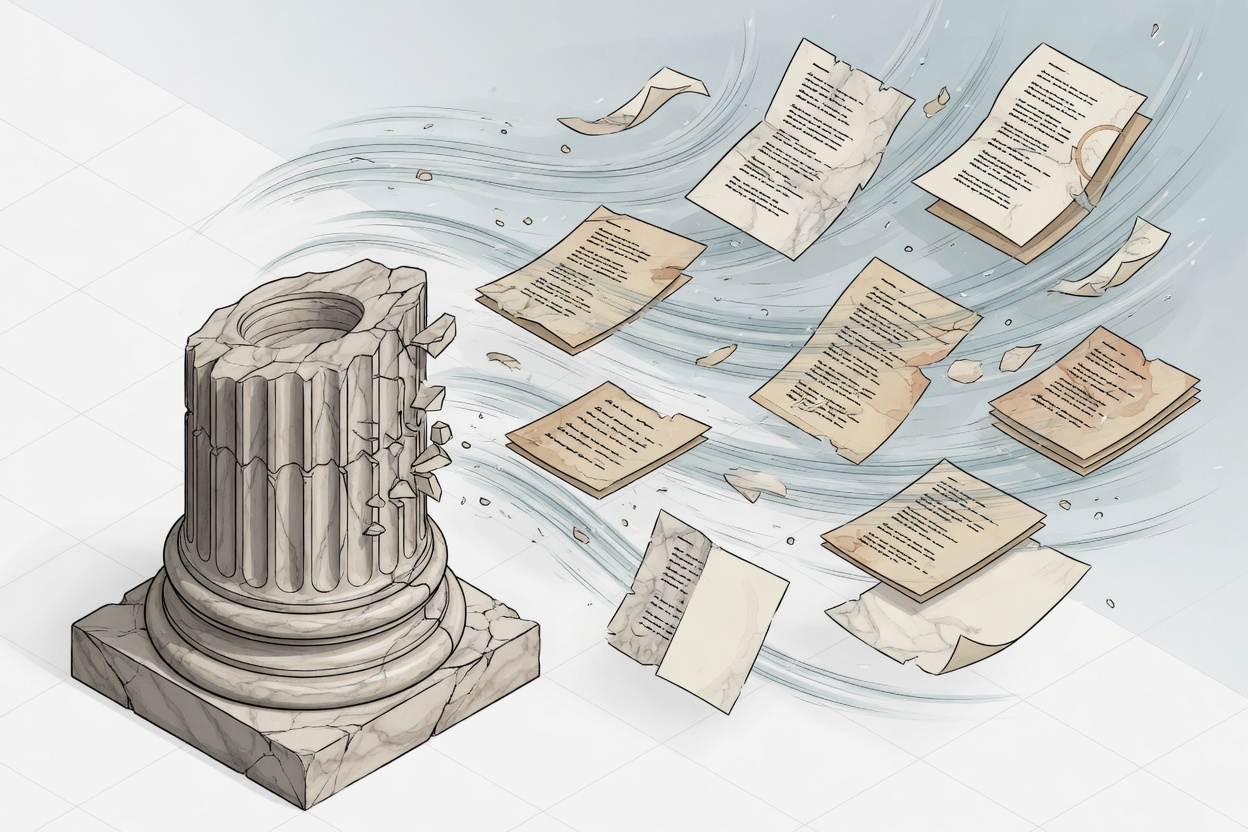
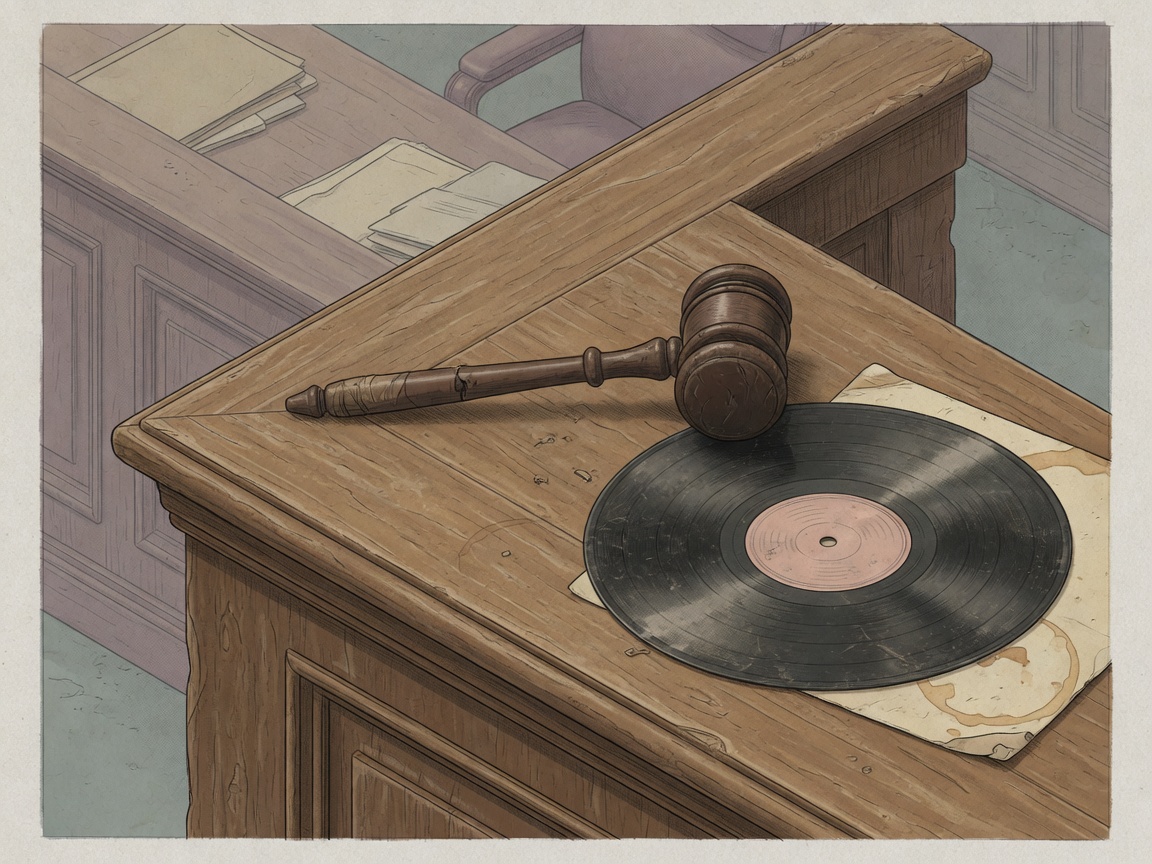
The 150-year-old institution that speaks for libraries is having a vote about itself
The eligible bargaining unit is just over 100 employees of the American Library Association. The vote that decides if those employees form ALA Workers United, an AFSCME affiliate, ends on the twenty-seventh. The campaign is small in headcount and large in symbolism. The institution that has spent a century writing the language libraries use to talk about labor is being asked to read its own pamphlet back.
On a Monday morning in early March, the employees who run the day-to-day operation of the American Library Association arrived at the association’s headquarters in Chicago and found a small reception waiting for them in the lobby. Coworkers were handing out enamel pins with a new logo on them. Folded open letters sat on a side table. Forty staff names were printed at the bottom of the letter; that was nearly half of the building. The letter announced ALA Workers United, an AFSCME-affiliated drive to unionize the staff of the trade association whose primary purpose, for a century and a half, has been to speak on behalf of the people who work in libraries.
The vote on whether the union becomes official is happening now. Roughly 100 employees, across the ALA’s main Chicago office and smaller offices in Washington and Connecticut, began casting ballots on April 24. Mail ballots from the satellite offices, and in-person ballots cast in Chicago, will be counted on May 27. AFSCME Council 31, the parent organization the drive is affiliating with, already represents about 3,000 library workers across Illinois and roughly 35,000 nationwide. The ALA staff, if the vote passes, will be a small unit by AFSCME standards. By a different measure, the one that gets the story into a culture section, the unit is one of the more loaded organizing campaigns of the year.
The reason it is loaded is that the ALA is not a publishing house or a library chain. It is the trade body. It writes the Library Bill of Rights, accredits the graduate schools that train librarians, lobbies Congress on funding, and runs the annual conference at which the profession’s arguments are had in public. The association is also, currently, the lead plaintiff on a federal lawsuit defending the Institute of Museum and Library Services, the small federal agency whose existence the second Trump administration ordered eliminated by executive order in March of last year. The same employees who keep that lawsuit running are now the bargaining unit asking the institution to recognize them.
The detail at the bottom of the letter
The open letter signed by forty ALA workers on March 2 lists six grievances. They are, in order, multi-round layoffs, increased workloads, benefits reductions, financial crises, ingrained salary disparities, and a lack of transparent decision-making. None of those lines is unusual for a 2026 union drive. Read together against the institution’s own messaging, they are unusual. The phrase ingrained salary disparities is the sort of phrase ALA itself publishes annual reports about, in the context of library workers across the United States. It is rarer in this register, signed by the people who write those reports.
David Connolly, a twenty-three-year ALA employee on the union’s organizing committee, told AFSCME Council 31 in a statement released alongside the open letter that experienced staff are the backbone of the association. A union, he said, helps protect the knowledge, continuity, and dedication that make our work possible. He is one of the few workers quoted by name in the public materials so far. The drive’s organizers, in line with most NLRB-stage union campaigns, have kept the bulk of the staff voices anonymous through April and May, citing the obvious thing about anonymity in a small workplace.
ALA management declined voluntary recognition after the March letter, which triggered the formal NLRB election process now underway. Dan Montgomery, the association’s executive director, issued a public statement the next day saying ALA respects its employees’ legal right to organize and would engage in the process thoughtfully and in good faith. The statement also linked the organizing effort to the association’s broader mission, namely that people deserve a voice in their communities, in their institutions, and in the decisions that affect their lives. That is, in plain reading, an endorsement of the principle. It is also a polite way of refusing to skip the election.
The bigger ledger behind the small one
The financial pressure on the ALA is real and is part of the story. The association entered the fiscal year carrying a multimillion-dollar operating deficit, suspended cost-of-living salary increases for the 2026 calendar year, and paused its 3 percent employer match on retirement contributions. Those decisions, taken by senior management, are the financial crises the open letter is referring to. They were communicated as temporary. The union’s position, in early bargaining language, is that any return to the prior compensation structure should not depend on the goodwill of a future budget cycle.
That position becomes harder to argue about in the abstract once the IMLS lawsuit is on the table. The ALA and AFSCME together filed suit in 2025 against the executive order eliminating the Institute of Museum and Library Services, and on April 9 of this year the Department of Justice withdrew its appeal in the case, leaving the lower court order protecting the agency’s congressionally mandated work in place. That outcome is a meaningful win for the libraries the association represents. It is also a piece of legal work done by the staff now asking the institution to bargain. The two facts do not contradict each other. They sit next to each other on the same calendar page.
The phrase ingrained salary disparities is the sort of phrase ALA itself publishes annual reports about, in the context of library workers across the United States. It is rarer in this register, signed by the people who write those reports. — The editors
Library workers, as a category, have been organizing at an unusual pace for several years now. Department of Professional Employees data put the share of unionized library workers above 30 percent in 2024, well ahead of the 9.9 percent rate for the U.S. workforce overall. The federal numbers undercount the recent wave; AFSCME and the AFL-CIO have logged dozens of new bargaining units at public library systems since 2020, mostly small, often in the Midwest and the Pacific Northwest, frequently triggered by either a book-challenge wave or a budget squeeze. Some of the most visible drives have been at suburban systems that, ten years ago, would have been the last places anyone would have predicted a strike threat.
What the artifact tells you about the moment
A small union vote at a trade association is not, by itself, a culture story. It becomes one when the trade association in question is the institution that, in American public life, holds the rhetorical claim to libraries. The ALA convenes the language. It runs the brand. When a local board votes to remove a young-adult novel from a high-school shelf, the ALA is the body that publishes the count of the year’s most challenged books and tells reporters which way the line is moving. When a state legislature drafts a bill restricting what a librarian can recommend, the ALA’s lawyers are usually on the brief in opposition. The institution has, by long practice, taught the profession how to talk about its own labor.
The cultural current the vote surfaces is the one that runs underneath a lot of 2026 institutional labor stories. Workers at advocacy bodies, foundations, museums, and public-media outlets have spent the last decade-plus learning to read their own employers the way they would read any other large nonprofit: as an entity with a board, a deficit, a compensation structure, and a set of decisions that are not automatically aligned with the institution’s stated values. The discipline is not new. The willingness to apply it inside one’s own building is. ALA Workers United is interesting because the institution being read is the institution that taught the reading.
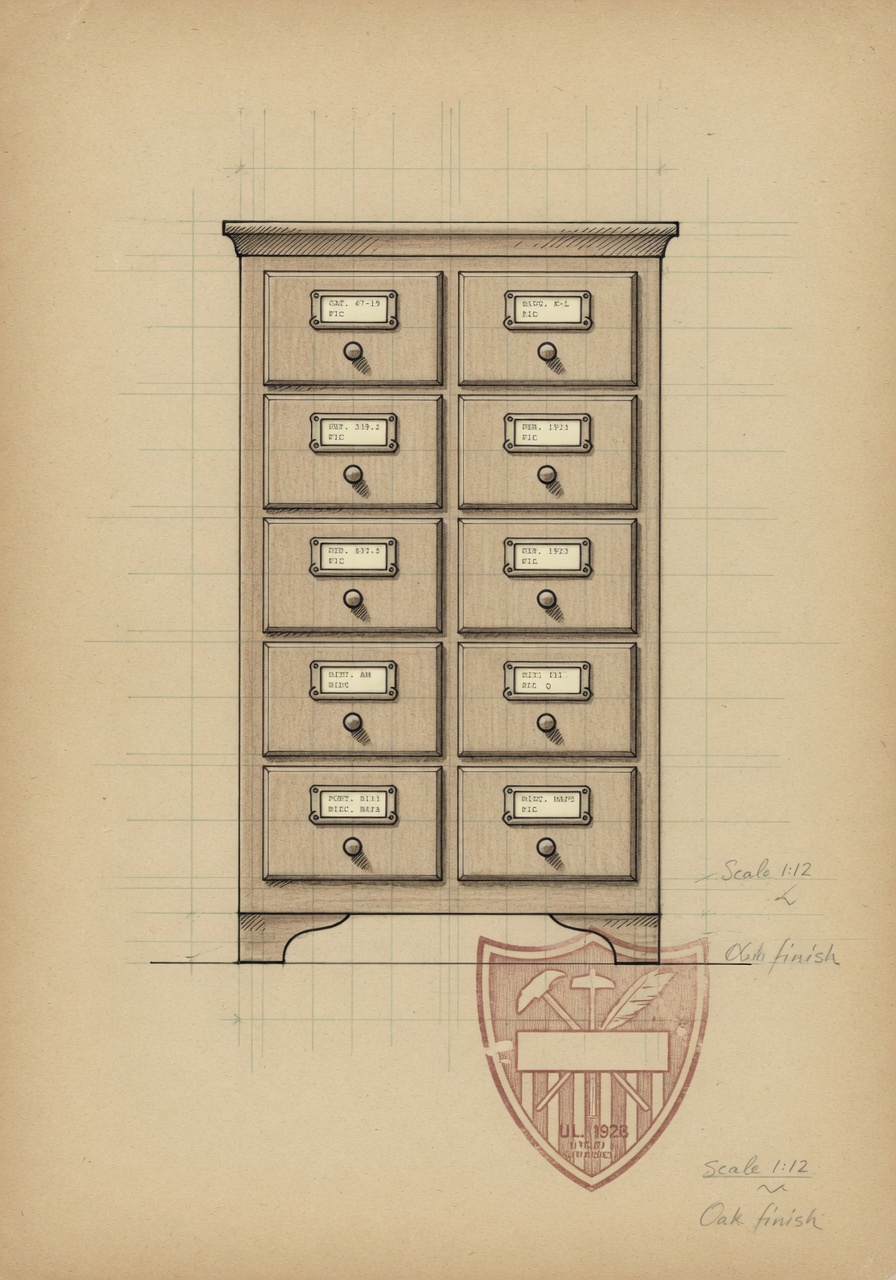
The vote count on May 27 will produce a number. If the unit certifies, the bargaining table opens. If it does not, the campaign continues, with or without a formal seat. Either way, the institution is no longer the only voice in the room speaking for the people who work for it. The next ALA annual report on library workers will be drafted by the same staff as before. It will, this time, sit next to a contract draft in another folder. The cabinet is unchanged. There is a stamp under the cabinet now.
Sources & methods
- AFSCME Council 31 · March 2026 announcement that ALA employees are forming ALA Workers United, including the David Connolly quote, the open letter framing, the six listed grievances, and Council 31 representation figures (3,000 Illinois library workers, 35,000 nationwide) Archived May 16, 2026
- Publishers Weekly · May 2026 reporting on the union vote, source for the April 24 voting start, May 27 ballot count, the roughly 100-person eligible unit, the three office locations (Chicago, Washington, Connecticut), Dan Montgomery’s quoted response, and the 70 percent union-card figure cited by organizer Gena Parsons-Diamond Archived May 16, 2026
- American Library Association · official March 3 statement from Executive Director Dan Montgomery on staff unionization efforts, source for the “respect our employees’ legal right to organize” and “engage in this process thoughtfully and in good faith” language, and the mission-statement linkage Archived May 16, 2026
- AFSCME Council 31 · the open letter detail (forty signatories on day one of the public phase) and the day-of-action description of pins and lobby materials at the Chicago headquarters Archived May 16, 2026
- Literary Hub · March 3, 2026 piece confirming the AFSCME Council 31 affiliation, the more-than-100-employee unit size, and the core principles listed in the open letter (equitable pay, stable and comprehensive benefits, job security, more of a say in policies and strategies) Archived May 16, 2026
- American Library Association · April 2026 statement on the White House FY27 budget proposal’s repeat threats to eliminate the Institute of Museum and Library Services, the agency the ALA and AFSCME jointly sued to defend Archived May 16, 2026
- American Library Association · April 9, 2026 announcement that the Department of Justice withdrew its appeal in the IMLS lawsuit, leaving the lower court order protecting the agency in place Archived May 16, 2026
- Department for Professional Employees, AFL-CIO · library professionals facts and figures, source for the over-30-percent library-worker unionization rate compared with the 9.9 percent overall U.S. unionization rate Archived May 16, 2026
- Portside · April 30, 2026 republication of labor-press coverage of the ALA Workers United drive, including the open letter language and the March 2 lobby action Archived May 16, 2026
This piece draws on the open letter of March 2, 2026 from ALA Workers United and the same-day AFSCME Council 31 announcement; the official March 3 ALA statement from Executive Director Dan Montgomery; the Publishers Weekly account of the NLRB-administered election timeline, including the April 24 voting start and the ballot count scheduled for the twenty-seventh; the Literary Hub coverage on the same dates; the ALA’s April 9, 2026 announcement that the Department of Justice withdrew its appeal in the IMLS lawsuit; the Department for Professional Employees fact sheet on library worker unionization rates; and earlier Library Journal and School Library Journal reporting on the drive. No ALA staff member was interviewed on the record for this piece; the only named worker voice is the David Connolly statement released through AFSCME Council 31. The article does not quote anonymous sourced material from inside the bargaining unit. Harold Finch reviewed the article before publication.