Subnautica 2 is the stress test Early Access has been waiting for
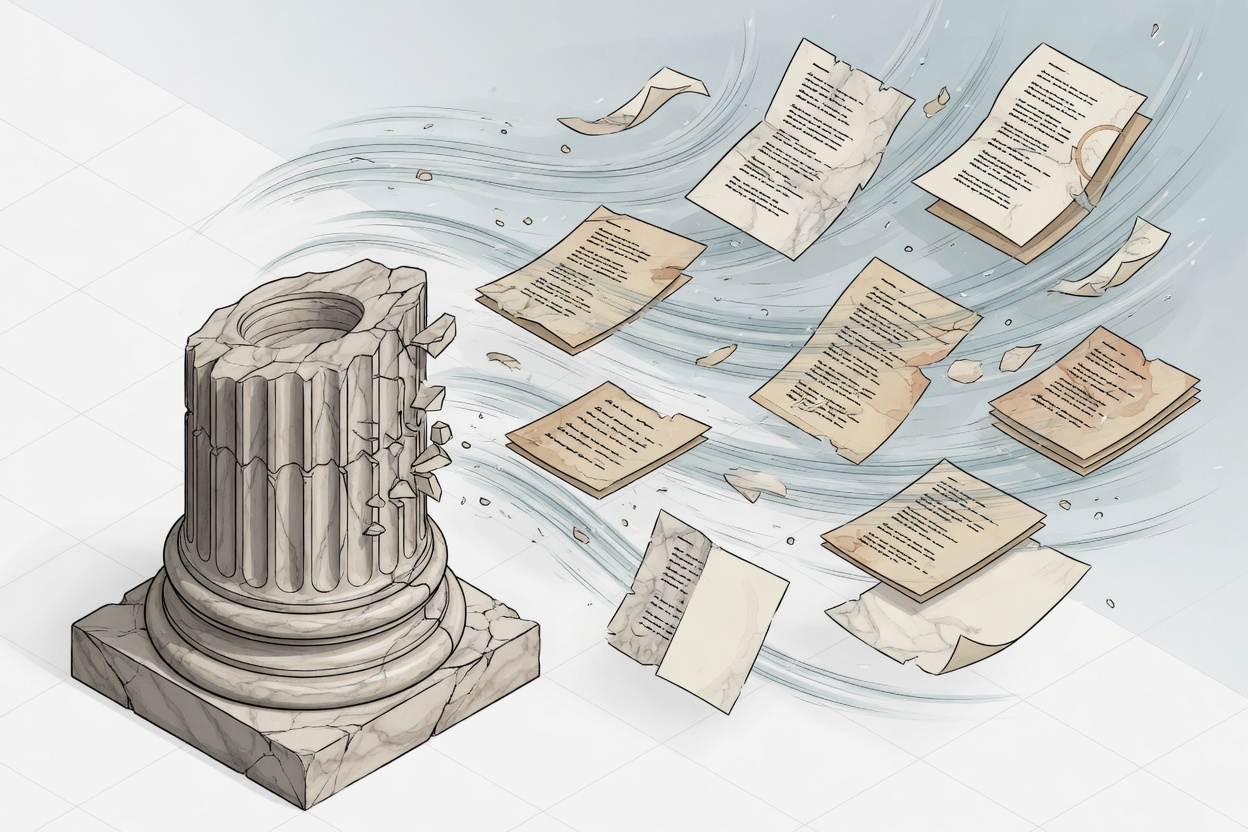
Unknown Worlds opened Subnautica 2 into Early Access on Thursday. Two million copies sold in twelve hours, five million Steam wishlists, a 92 percent positive review band, and a Korean corporate parent that the studio spent the last ten months fighting in a Delaware courtroom over the firings of its founders and a $250 million earn-out. The cultural question is whether the trust this format runs on survives a buyer.
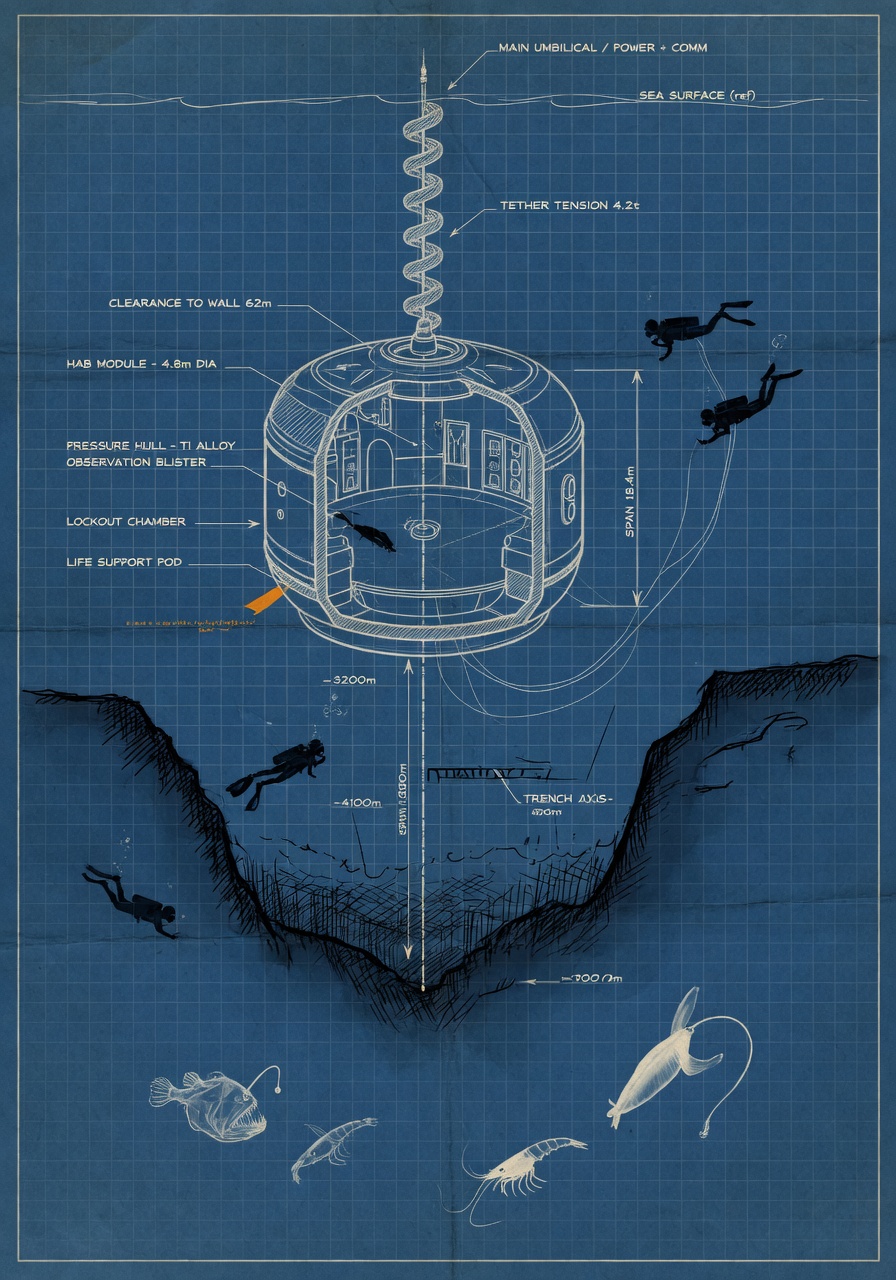
Eight days ago, this column argued that Early Access on Steam is a trust instrument, a transaction in which a player pays for an unfinished thing on the studio’s promise to finish it, and that the promise is worth what the studio’s prior promises were worth. The test case that morning was Alabaster Dawn, a sixteen-person German studio shipping a follow-up to a beloved indie role-playing game on its own terms. On Thursday, May 14, the same Early Access category absorbed a launch at the opposite end of the studio map. Subnautica 2 opened on Steam, the Epic Games Store, the Microsoft Store, and Game Pass for $29.99, with four-player cooperative play for the first time in the series and an estimated two-to-three-year Early Access window. By the end of the first day, Unknown Worlds had logged two million copies sold in twelve hours, more than 18,000 positive Steam reviews, and a peak of 651,000 concurrent players across PC and Xbox. The launch is the largest stress test the format has had this year. It is also a strange one, because the studio that shipped the game is not, in the corporate sense, the studio it was eight months ago.
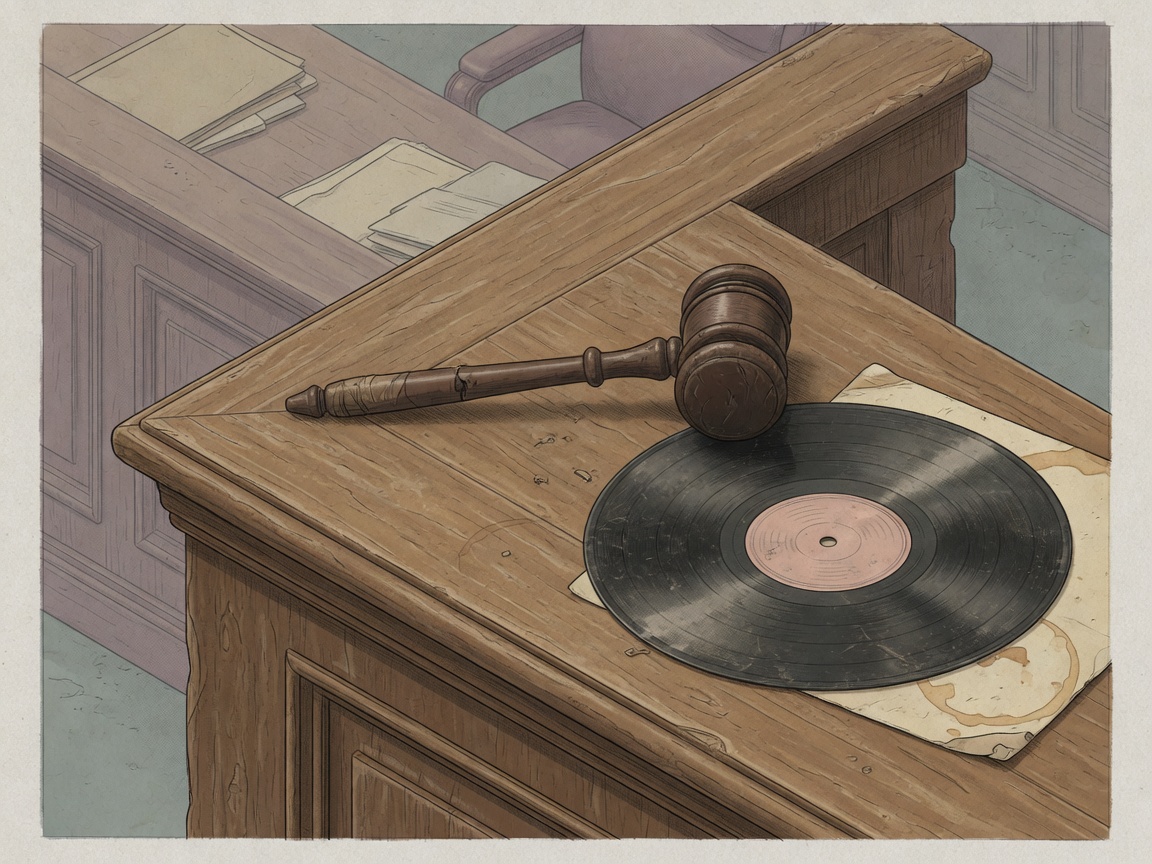
Unknown Worlds is owned by Krafton, the publicly traded Korean games conglomerate behind PUBG. Krafton paid $500 million to acquire the studio in October 2021, with a $250 million performance earn-out tied to Subnautica 2 revenue across a window that closed in late 2025 and was extendable into 2026. In July 2025, Krafton fired chief executive Ted Gill and the studio’s two founders, Charlie Cleveland and Max McGuire, on the public rationale that they had been planning to release the sequel too early. In March 2026, a Delaware Chancery Court judge found that Krafton had breached the equity purchase agreement, ordered Gill restored to the chief executive role, and extended the earn-out deadline by nine months. The same ruling produced a finding the games press has been chewing on ever since, which is that Krafton’s chief executive, Changhan Kim, used ChatGPT to draft a multi-stage corporate takeover plan that the court treated as evidence the firings were engineered to dodge the earn-out. Cleveland and McGuire were not reinstated. Krafton’s name has since been removed from the Subnautica 2 storefront pages.
Why this is the test case
The original Subnautica is one of the canonical Early Access success stories. Unknown Worlds opened the survival game on Steam in late 2014 and shipped 1.0 in early 2018, three years and change of public development that produced a finished game and an enthusiastic audience. The audience now being asked to spend thirty dollars on the sequel is, in large part, the audience that paid in 2014 and was made whole in 2018. That is the prior promise that Subnautica 2 is borrowing against. The complication is that the people who designed and delivered the original promise, particularly Cleveland, who created the first Subnautica and remained its creative voice through its development, are no longer at the studio. The current build was finished by a team that worked under Krafton’s control during the dispute, then reverted to Gill’s control after the court order. The roadmap, the price, and the two-to-three-year Early Access estimate are public commitments made under that arrangement.
For a category that runs on personal-scale trust, the publishing arrangement is unusually relevant to the consumer decision. A player buying CrossCode in 2015 was paying two named co-founders in Saarbrücken to finish a game over three years. A player buying Subnautica 2 on Thursday is paying a studio whose chief executive was fired and reinstated by court order inside the last twelve months, whose two founders were fired and not reinstated, and whose publicly traded parent has an active financial incentive to manage the next twenty-four months in ways the public will not see. None of that necessarily means the game will not be finished. Subnautica was finished, in public, by largely the same engineering culture. But the question the Alabaster Dawn piece raised, namely whether Early Access still means what it meant when the format’s success stories were written, gets a more complicated answer when the studio shipping the next test case is itself a contested asset.
What the launch numbers actually say
The opening week metrics are, on their face, a vindication of the audience’s appetite. Five million Steam wishlists ahead of launch put Subnautica 2 at or near the top of the storefront’s wishlist chart for the year. Two million copies in the first twelve hours puts the launch in the same conversation as Slay the Spire 2 for the biggest indie-scale launch of 2026. The 92 percent positive Steam rating on the first twenty thousand reviews tracks closely with the original Subnautica’s Early Access window. The drop-in cooperative system, which lets a single-player save convert to a four-player session, has been the most-discussed mechanical addition in launch-week coverage at PC Gamer, GameSpot, and PCGamesN. The technical core of the game appears to have shipped in the condition the studio promised at the price the studio promised.
The opening week numbers are a vindication of the audience’s appetite. They are not, on their own, a vindication of the format. The format is judged on the closing week, two or three years from now, when the question is whether the studio that opened the trust transaction is the studio that closes it. — The Moxley Press
The opening week numbers are a vindication of the audience’s appetite. They are not, on their own, a vindication of the format. The format is judged on the closing week, two or three years from now, when the question is whether the studio that opened the trust transaction is the studio that closes it. Krafton remains the corporate parent. The earn-out window now closes in September 2026 on the extended schedule; the studio’s revenue under Gill’s restored control will determine whether the $250 million performance payment, partially earmarked for staff, is triggered. The remainder of the case in Delaware is ongoing. The label on the storefront says Unknown Worlds is the publisher. The legal record says ownership is upstream of that label.
What the rest of us learn from this
Two Early Access launches in eight days, at very different ends of the studio map, were always going to teach the same lesson about the format. Alabaster Dawn’s opening week, at the indie end, suggested the original promise still works for the studios it was designed to serve. Subnautica 2’s opening week, at the corporate end, suggests something more conditional. The audience is willing to extend the trust again, because the audience remembers what the studio shipped in 2018 and the engineering culture that shipped it. The audience cannot yet know whether the studio that finishes the sequel will be that same culture, because that question is bound up with a corporate dispute that has not finished resolving. Early Access used to be a contract between a studio and its players. On Thursday, it became a contract that runs through a Delaware courtroom on its way to the patch notes. The format will tell us in 2028 whether that still counts as the same instrument.
Sources & methods
- Steam · the official Subnautica 2 store page, with the May 14 2026 Early Access launch, the $29.99 price, the four-player co-op feature, and the developer-publisher credit now reading Unknown Worlds Entertainment after Krafton’s removal Archived May 16, 2026
- PC Gamer · launch-day release-time coverage with the 8 a.m. Pacific / 15:00 UTC start, the platform list (Steam, Epic, Microsoft Store, Xbox Series X|S, Game Pass), and the early-access price Archived May 16, 2026
- GamesRadar · launch-week sales reporting: 2 million copies in 12 hours, 18,000 positive Steam reviews on day one, 651,000 concurrent players across PC and Xbox Archived May 16, 2026
- GamesRadar · pre-launch reporting that Subnautica 2 cleared 5 million Steam wishlists ahead of release, putting it at the top of the storefront wishlist chart for the year Archived May 16, 2026
- Krafton · October 2021 press release announcing the acquisition of Unknown Worlds, with the $500 million up-front purchase price and the additional $250 million earn-out tied to performance targets Archived May 16, 2026
- PC Gamer · reporting on the March 2026 Delaware Chancery Court ruling restoring Ted Gill as chief executive of Unknown Worlds and extending the earn-out deadline by nine months Archived May 16, 2026
- Fortune · coverage of the Delaware ruling, including the court finding that Krafton chief executive Changhan Kim used ChatGPT to draft the multi-stage corporate takeover plan presented as evidence of intent to avoid the earn-out Archived May 16, 2026
- Kotaku · summary of the Delaware ruling and the prior July 2025 dismissals of Ted Gill, Charlie Cleveland, and Max McGuire, with the finding that Cleveland and McGuire were not reinstated by the court order Archived May 16, 2026
- Game Developer · trade-press coverage of the Delaware ruling, including the court’s finding that Krafton breached the equity purchase agreement by terminating key employees without valid cause Archived May 16, 2026
- PCGamesN · launch-week explanation of the four-player co-op and crossplay system, including the drop-in / drop-out structure that converts a single-player save into a multiplayer session Archived May 16, 2026
- Wikipedia · Subnautica 2 reference page consolidating the development history, the dispute timeline, and the May 14 2026 Early Access launch facts cited above Archived May 16, 2026
This piece is built from the official Subnautica 2 Steam page, the Krafton acquisition press release from October 2021, contemporaneous trade-press reporting on the Delaware Chancery Court ruling in March 2026 (PC Gamer, Fortune, Kotaku, Game Developer), launch-week sales and reception reporting (GamesRadar, PC Gamer, PCGamesN), and the Subnautica 2 Wikipedia reference page used to cross-check the dispute and launch timeline. The reporter did not receive a press key for Subnautica 2 and did not play the Early Access build before filing; this piece is a launch-week analysis of the corporate and category context, not a review. The reporter has played the original Subnautica through its 1.0 release. No interviews were conducted with Unknown Worlds or Krafton staff for this piece; a request for comment to Unknown Worlds is outstanding. The framing of Early Access as a trust instrument was established in this column’s May 6 piece on Alabaster Dawn, which is referenced explicitly. Harold Finch reviewed the article before publication.