Apple launches device leasing program with Klarna starting at $17.99 per month for iPhones
The new Apple Upgrade program replaces the iPhone Upgrade Program and arrives as a global memory shortage has already driven up iPad and Mac prices.
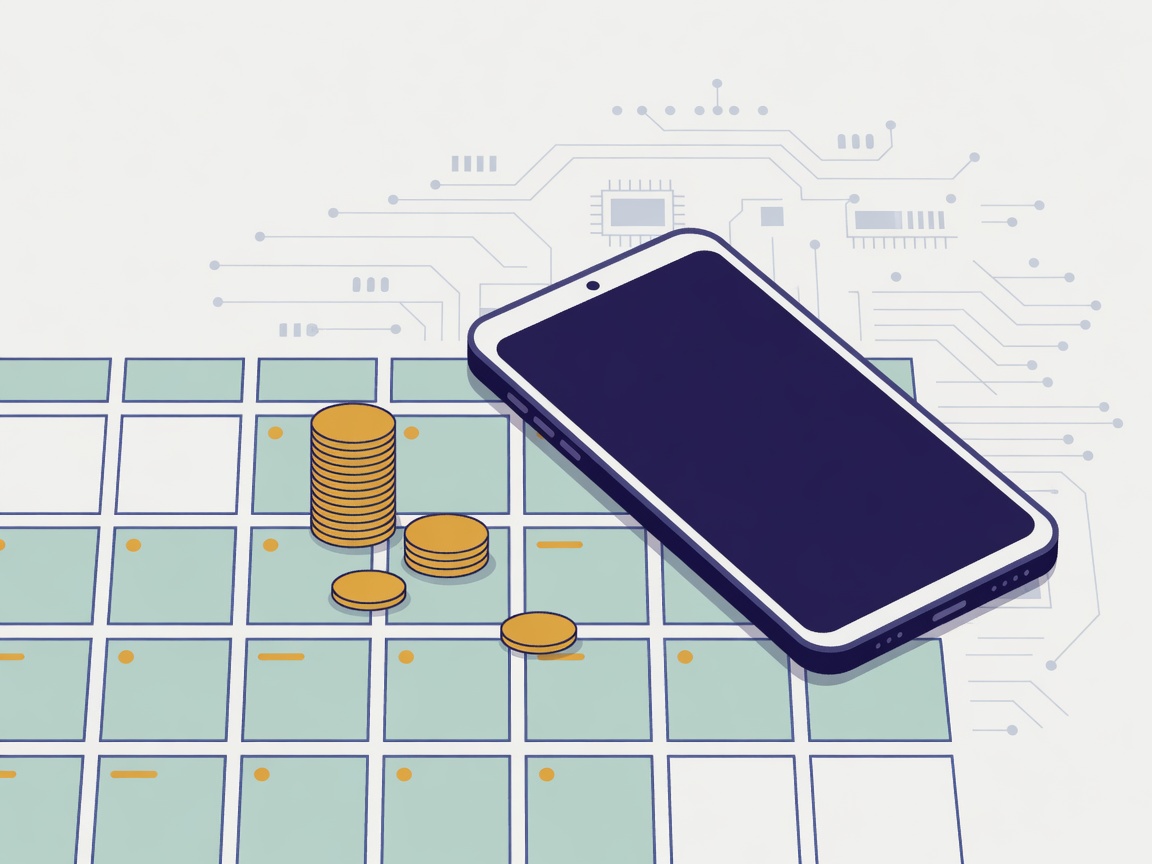
Apple has launched a device leasing program called Apple Upgrade in partnership with Klarna, offering iPhones starting at $17.99 per month as the company grapples with a global memory shortage that has already pushed iPad and Mac prices higher.
The program, announced on Tuesday, is available online, in the Apple Store app, and at physical Apple Store locations in the United States. Customers pass a soft credit check and then choose a lease term. Terms vary by device. iPhones and Apple Watches qualify for one- or two-year leases, while Macs and iPads come with two- or three-year terms.
Leasing prices start at $17.99 per month for the iPhone 17e, $11.99 for the Apple Watch Series 11, $24.99 for the MacBook Air, and $11.99 for the iPad Air. Premium devices cost more. An unlocked iPhone 17 Pro runs $31.99 a month on a two-year lease or $45.99 on a one-year lease. Some entry-level devices, including the iPhone 16 and MacBook Neo, are excluded from the program entirely.
Why Apple is pushing leases
The rollout comes just weeks after Apple raised prices on its MacBooks, iPads, and other devices by at least $100, with some models increasing by more than $1,000. The hikes stem from an industry-wide shortage of memory chips that outlets have referred to as “RAMageddon.” iPhones were spared in the latest round of increases, but CEO Tim Cook warned last month that “the situation has become unsustainable,” signaling that the iPhone 18 series could be pricier than expected when it launches later this year. Apple is also pushing its product mix further upmarket.
Analysts have been speculating about higher iPhone prices since June. Morgan Stanley estimates Apple may need to raise the price of the iPhone 18 Pro by roughly $200 to preserve its gross margin. According to TechInsights, higher memory and other component costs could add as much as $300 to an iPhone’s bill of materials, based on a component-level teardown. A foldable phone is expected to debut alongside the iPhone 18 Pro lineup in September, with some estimates putting its price at around $2,500. Apple is looking for new ways to offer iPhones through installment payments, a strategy that investors have long thought can help smooth the seasonality of the business and reduce the company’s reliance on hit device cycles for growth.
Replacing the old program
Apple Upgrade replaces the iPhone Upgrade Program, which launched in 2015 and is no longer accepting new enrollments. AppleCare is not included. The older program bundled the warranty extension plan, which was also recently impacted by price hikes. Apple also discontinued its iPhone Payments program in the United States. The previous iPhone Upgrade Program, financed through Citizens Bank, cost users more than $42 per month over 24 installments. The new Klarna-backed option is significantly cheaper.
At the end of a lease, customers can upgrade to the latest generation of their device, purchase it with a one-time payment, or return it and exit the program. No security deposit is required. Klarna will not charge late fees, but it will terminate leases after three months of missed payments. Customers can manage their lease in the Klarna app, where they can view billing schedules and track remaining payments. Those who trade in an existing device through Apple Trade In can lower their monthly lease payments, and Apple Card users earn 3% Daily Cash back on lease payments.
The move puts Apple in more direct competition with carriers like AT&T, Verizon, and T-Mobile, which have traditionally used device financing and trade-in subsidies to lock customers into multiyear wireless plans. Apple also offers zero-interest financing through Apple Card Monthly Installments, and Apple Pay users can already access short-term loans from Klarna or rival Affirm. Nabila Popal, senior research director at IDC, told CNBC that most Apple consumers in developed markets already buy devices on installment plans or trade-ins, and that the company can be expected to offer more aggressive deals. The average iPhone replacement cycle has stretched to nearly four years, according to Bernstein estimates, and the leasing program could encourage customers to replace their devices sooner.
Code discovered in the iOS 27 beta last week suggests Apple is working on a way to lock financed iPhones out of apps if it detects a user is behind on payments. The official launch follows a report from Bloomberg’s Mark Gurman last week that revealed Apple was preparing to introduce a lease-to-own program for its devices. Apple is scheduled to report third-quarter earnings on Thursday, in what will be CEO Tim Cook’s final earnings report before he transitions to executive chairman of the board.
Sources & methods
- CNBC report on Apple's Klarna leasing partnership, pricing details, analyst estimates, and competitive landscape with carriers Archived Jul 28, 2026
- The Verge report on the Apple Upgrade program launch, lease terms, device eligibility, AppleCare exclusion, and iOS 27 beta code findings Archived Jul 28, 2026
- TechCrunch report on the Klarna partnership, lease pricing and terms, RAMageddon supply chain context, trade-in and Apple Card benefits, and discontinuation of prior programs Archived Jul 28, 2026
This article was assembled from three published reports covering Apple’s July 28 announcement of the Apple Upgrade leasing program. Facts were cross-referenced across all three sources, and analyst estimates were attributed to the outlets that reported them.