Avanti West Coast will be renationalised from March as Labour continues transferring rail services to public ownership
Transport Secretary Heidi Alexander will announce the decision at Labour conference on Tuesday, making Avanti the latest operator to enter public ownership under a plan to transfer all DfT-contracted services by the end of 2027.
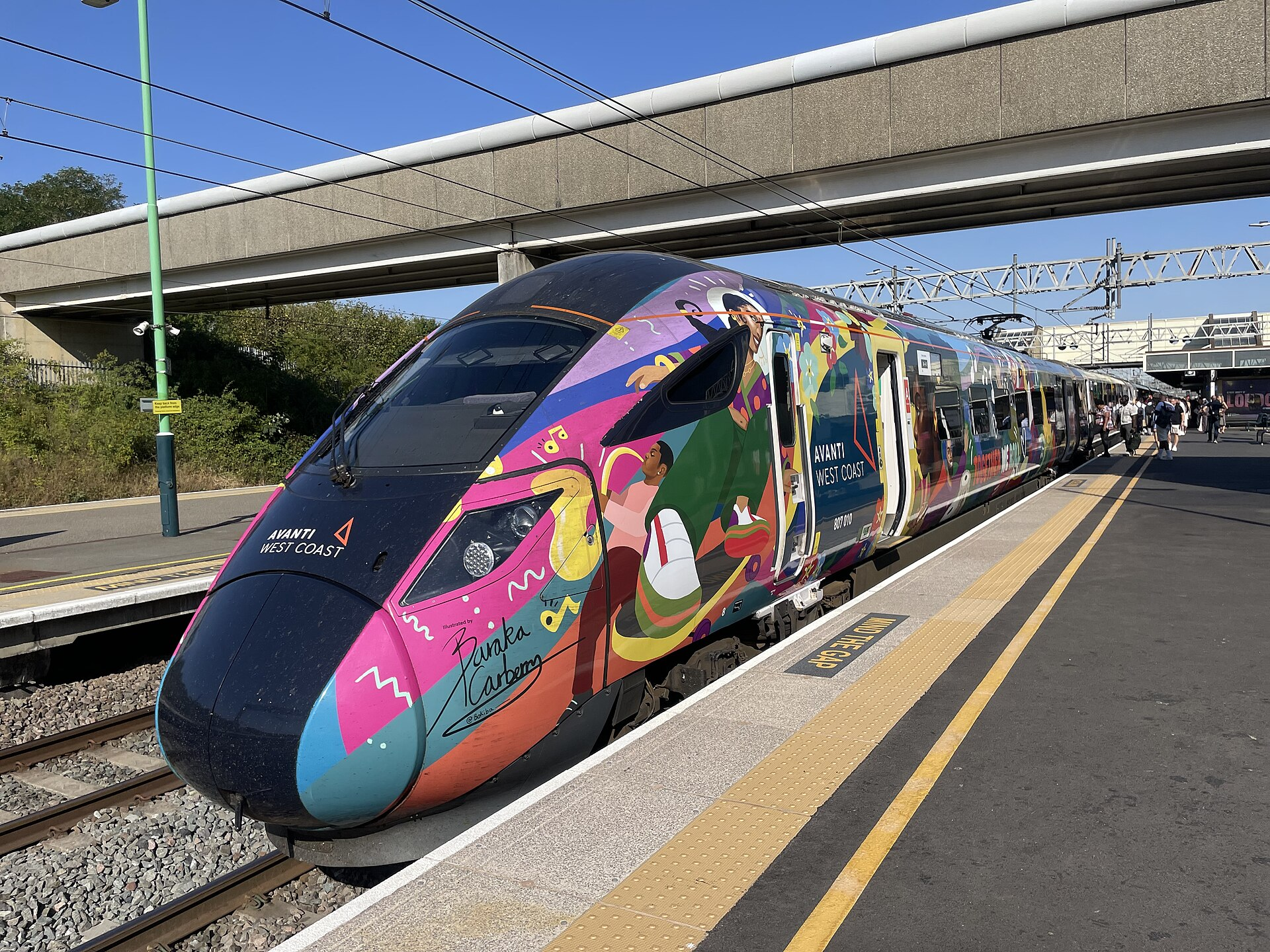
Avanti West Coast, Britain’s worst-performing large rail operator, will be brought into public ownership from March when its contract expires, Transport Secretary Heidi Alexander will formally announce in her speech at Labour conference on Tuesday afternoon. “For years, we’ve heard stories of Avanti underperforming, with passengers left paying the price. Enough is enough,” Alexander said. The decision makes Avanti the latest operator to be nationalised under Labour.
The operator had a cancellation rate of 7.1% from April to June, among the highest proportion of train cancellations in Britain, and it carries the worst punctuality rating for any large rail company in the UK. Avanti connects London to Manchester and Liverpool. Peak-time return tickets from Manchester to London have been as high as £300. In May, Avanti said one-in-seven rail services would be cut on its busiest routes following a government request to reduce spending, though the company predicted the reductions would cause minimum disruption to passengers and would not reduce revenues. Avanti has cut multiple services over the past year, including the seven am train between Manchester and London.
The renationalisation is part of a broader government plan to transfer train services operated under Department for Transport contracts to public ownership, as the public body Great British Railways prepares to take full oversight in 2027. The Labour government has been nationalising passenger rail services across the country as their contracts expire, transferring each operator out of private management in turn. Earlier this month, Chiltern Railways became the latest to enter public ownership, the sixth to be nationalised under Labour, with four remaining operators to follow by the end of 2027. Great Western Railway, also owned by FirstGroup, is to be brought under public ownership in December as the next operator in line for transfer. Alexander said the government “is committed to putting essential services back in public hands, connecting people to opportunity and delivering growth in every postcode and this move reflects that commitment.” Welsh services were nationalised in 2021. Scotland took trains into public ownership the following year. Several rail firms around the country are already publicly owned, including Great Anglia and South Western Railway.
Operator cites investment record
Avanti West Coast is a joint venture. FirstGroup holds a 70% stake, and Italian state operator Trenitalia holds the remaining 30%. Andy Mellors, managing director at Avanti West Coast, pointed to the company’s investment record as evidence of its contribution to the west coast route over the past six years. “We’re proud of what we’ve achieved over the last six years – from refurbishing our Pendolino fleet and introducing our new Evero trains to running more services than ever before,” he said. He said the improvements had given customers greater choice, more capacity, and better connectivity, while the company had continued to innovate to shape the future of the west coast and wider rail industry. Mellors said Avanti would work closely with the government over the coming months to ensure a smooth transition into public ownership while remaining focused on delivering for customers and communities. Companies such as Avanti have their finances heavily influenced by the Department for Transport due to contracts introduced in March 2020 at the start of the Covid-19 pandemic.
Prime Minister Andy Burnham posted on social media. He echoed criticism of Avanti’s performance. “For years, people have been expected to put up with Avanti’s cancellations, delays, overcrowding, and a service that has failed them time and time again,” he said. He added that the government was “putting essential services back in public hands and building a railway that actually works for the people who use it.”
Sources & methods
Reporting based on two published sources covering the government’s announcement: a BBC News article and a Guardian article, both published in September 2026. Quotes verified against both source texts.