China posts slowest quarterly growth since 2022 as domestic demand weakens and stimulus calls grow
Second-quarter GDP expanded 4.3 percent, falling below Beijing’s reduced annual target and missing economists’ forecasts, as investment slumped and consumption stayed subdued.
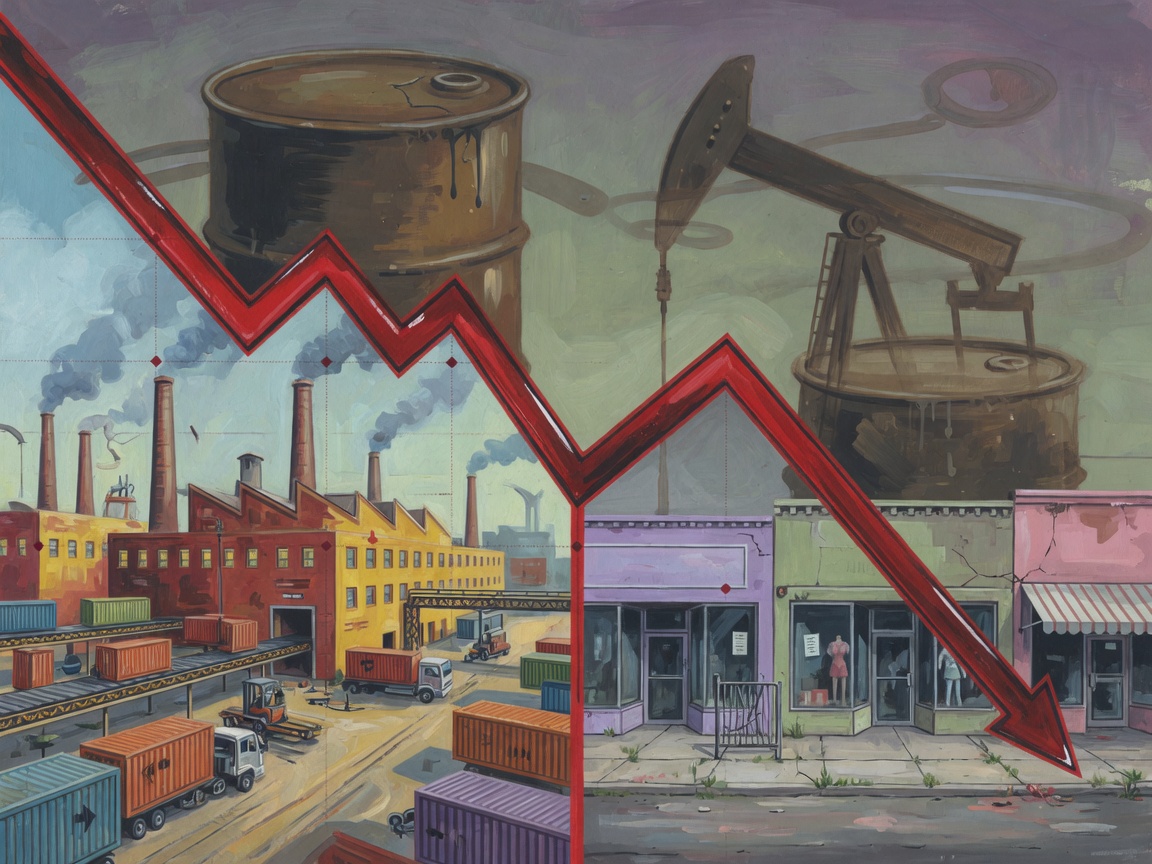
China’s economy grew at its slowest quarterly pace since the end of 2022, with second-quarter GDP expanding 4.3 percent as weak domestic demand and oil-price pressures from the Iran war offset a surge in exports driven by semiconductors and electric vehicles.
The figure fell below Beijing’s annual growth target. In March, the government cut that target to a range of 4.5 to 5 percent, the lowest expansion goal since 1991, a move some analysts say gives officials more flexibility in managing the economy. It also missed a Reuters poll of economists, who had forecast 4.5 percent growth, and marked a deceleration from the 5 percent expansion recorded in the first quarter.
The announcement represents the first full quarter of GDP data since the start of the Iran war on 28 February. The conflict has driven oil prices higher and added to external pressures on the Chinese economy, the National Bureau of Statistics said in a release accompanying the figures, noting that there are more external instability and uncertainty factors.
The data deepened calls for stimulus. Tianchen Xu, senior economist at the Economist Intelligence Unit, expects stimulus measures to be ramped up in the third quarter, including a policy rate cut to stimulate investment demand.
Imbalance between supply and demand
The statistics bureau noted an “acute” imbalance between excess supply and sluggish demand in the domestic economy, urging policymakers to step up counter- and cross-cyclical adjustments. That imbalance was visible across multiple sectors, with strong industrial production and exports tied to the global AI investment boom continuing to power headline growth even as consumption and private investment weakened amid a prolonged property downturn and volatile energy prices.
Urban fixed-asset investment, including real estate development and infrastructure projects, declined 5.7 percent in the first six months from a year earlier, worse than the 4.9 percent drop economists had expected in a Reuters poll. Investment in real estate plunged 18 percent, infrastructure investment fell 2.4 percent, and manufacturing investment dropped 1.2 percent, according to the official data. Urban investment slumped for the first time in decades last year, falling 3.8 percent from a year earlier, and the decline steepened from a 4.1 percent contraction in the first five months, as a prolonged property downturn and tighter constraints on local governments’ borrowing hampered one of China’s traditional growth drivers.
Xu attributed the steepening investment slump to local governments channeling resources into debt restructuring and a shortage of eligible projects in the pipeline. She said boosting infrastructure investment will be a key focus for stabilizing growth. Beijing’s campaign to rein in excess capacity and end bruising price wars will also weigh on private investment in the near term, said Sarah Tan, economist at Moody’s Analytics, adding another headwind to an economy already grappling with a deepening supply-demand imbalance.
Property slump and consumer weakness
Separate data released on Wednesday highlighted the economic challenges Beijing is facing at home, including a long-running property market slump and weak consumer spending. New home prices contracted again in June, though the 0.1 percent fall was at a slightly slower pace than the previous month. The prolonged property downturn has been a persistent drag on growth, with real estate investment posting the steepest decline among the major investment categories.
Retail sales offered a glimmer of improvement. They rose 1 percent in June, rebounding from a 0.6 percent decline in May and exceeding economists’ forecast for a 0.1 percent fall. Retail sales in May had posted their first monthly decline since late 2022, dragged down by tepid demand and merchants’ steep discounting. The June rebound, while modest, at least moved back into positive territory, though the overall consumption picture remained subdued.
Industrial output expanded 5.3 percent in June from a year earlier, stronger than the forecast 4.7 percent growth and accelerating from 4.5 percent expansion in May. The strength was export-driven. Customs data for June, released on Tuesday, showed that China’s tech exports were boosted by soaring global demand for semiconductors to power artificial intelligence data centres. Surging demand for Chinese electric vehicles also gave a major boost to exports, with monthly car exports topping one million for the first time. Overall exports jumped 27 percent in June compared with a year earlier, a day before the GDP figures were published.
Calls for borrowing expansion
The intensity of pullback in investment has been “unprecedented,” said Li Daokui, a professor of economics at Tsinghua University and a former China central bank advisor. Speaking at a macroeconomics seminar earlier this week, Li called for a substantial expansion in government borrowing to more than double this year’s planned 12 trillion yuan, or about $1.7 trillion, in new debt issuance. The call reflects growing pressure on Beijing to deploy fiscal tools to counter the investment slide and stabilize growth in the coming quarters.
Sources & methods
- BBC News report on China's second-quarter GDP figures, export data, property prices, and retail sales, citing official government statistics and the National Bureau of Statistics. Archived Jul 15, 2026
- CNBC report on China's second-quarter GDP, fixed-asset investment, retail sales, and industrial output, citing the National Statistics Bureau, Reuters poll data, and analysis from economists at the Economist Intelligence Unit, Moody's Analytics, and Tsinghua University. Archived Jul 15, 2026
This article draws on GDP, trade, and investment data reported by BBC News and CNBC, including figures from China’s National Bureau of Statistics and analysis from economists at the Economist Intelligence Unit, Moody’s Analytics, and Tsinghua University.