CVS Health will split its retail pharmacy chain from its insurance and benefits businesses by 2028, unwinding the Aetna merger
The breakup creates two publicly traded companies and effectively reverses the 2018 acquisition that was meant to build a vertically integrated healthcare giant.
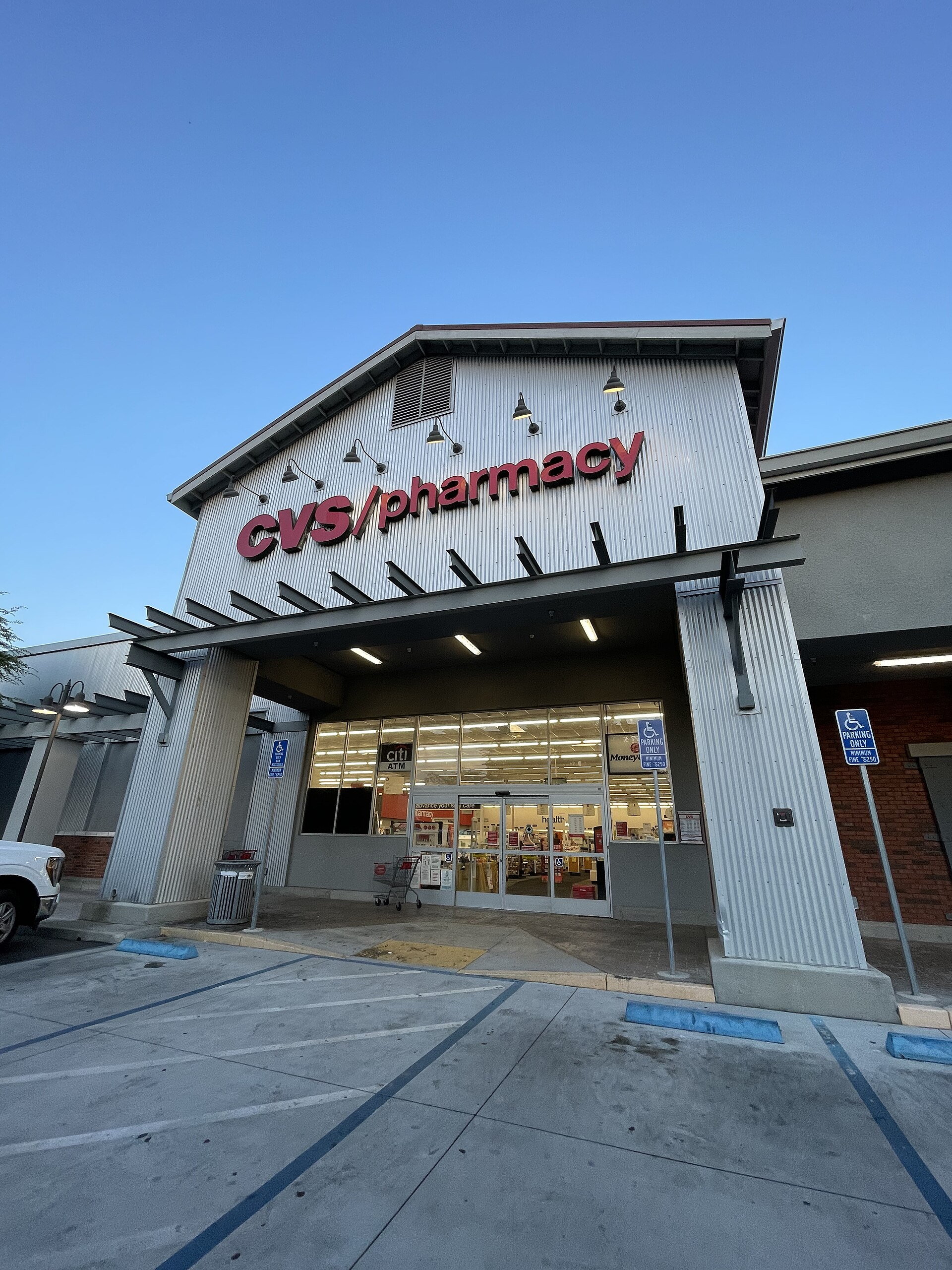
CVS Health announced Wednesday it will split into two publicly traded companies, with the separation planned for the first half of 2028, according to one account, and early 2028, according to another. The move effectively reverses the company’s acquisition of the insurer Aetna and dismantles the vertically integrated healthcare conglomerate that deal created.
One company will retain the CVS Health name and house Aetna, the major insurer, and Caremark, the pharmacy benefit manager that ranks among the nation’s three largest. The other will be called CVS Pharmacy. David Joyner, who serves as CEO and chair, will run the CVS Health company after the separation. The decision follows a strategic review by the company’s board of directors.
What goes where
The CVS Health company will also include Oak Street Health, the primary care chain; Signify Health, a home visit provider; and the company’s specialty drug business, along with other operations that provide home visits and primary care to older patients. The CVS Pharmacy company will include in-store clinics and the mail order prescription business. Prem Shah, currently group president of CVS Health, will lead CVS Pharmacy. Existing CVS shareholders will own stock in both companies after the split. Additional leadership positions and board members will be announced at a later date. The Financial Times first reported the breakup plans on Tuesday.
Unwinding the Aetna bet
The 2018 merger of CVS and Aetna created a vertically integrated conglomerate that combined an insurer, a pharmacy benefit manager, and a retail pharmacy chain under one corporate roof. The acquisition value is disputed. One source places it at $78 billion. Another reports $70 billion. UnitedHealth Group and Cigna followed the same integration model, each harnessing an insurer, pharmacy benefits, and a mail-order business within a single operation. CVS Health, UnitedHealth Group, and Cigna together control roughly 80% of the market. CVS generated over $400 billion in revenue last year. Its market value sits at approximately $117 billion.
Turnaround paved the way
In October 2024, CVS engaged advisors in a strategic review and considered breaking up its retail pharmacy and insurance units, the same month Joyner took the helm as CEO. Joyner said the company was “in a turnaround” at that time without the flexibility, cash position, or business performance to execute a split. “So it’s all about the strength of the business that affords us the opportunity to make what we think are the right strategic decisions for the future of this company,” Joyner said Wednesday. CVS shares fell to $44 in late 2024 but have since rebounded roughly 70%. The company is pursuing $2 billion in cost cuts, store closures, leadership shake-ups, and efforts to rein in Medicare Advantage costs.
Regulatory pressure mounting
Arkansas and Tennessee have passed laws aimed at preventing the co-ownership of pharmacy benefit managers and pharmacies, measures that CVS and other companies have challenged in court. The Arkansas bill was sponsored by state representative Jeremiah Moore, a Republican. “The average American citizen is really tired of being pushed around and bullied, whether it be from the government or a monopolistic company,” Moore told Politico. At the federal level, a bill introduced by Senator Josh Hawley, a Missouri Republican, and Senator Elizabeth Warren, of Massachusetts, proposes an antitrust crackdown on the healthcare giants. A CVS spokesman previously said legislative efforts to break up the company would “open the door to private equity stripping the entire U.S. healthcare system for parts.”
Market reaction and earnings
CVS shares fell more than 12% on Wednesday. The company also posted third-quarter earnings and revenue that topped Wall Street expectations, with total sales climbing to $108.40 billion from $102.87 billion in the prior-year period. Sales were boosted by year-over-year growth in the healthcare benefits and health services segments, while revenue in the pharmacy services business slid from the previous year. The pharmacy business recorded $37.66 billion in 2025 sales, the insurance unit booked $36.29 billion in revenue, and the healthcare services segment generated $51.24 billion. Leerink Partners analyst Michael Cherny said the split shows the stability of the pharmacy, which has won market share from competitors and is seeing gross margins stabilize thanks to CostVantage, a new pharmacy reimbursement model. “This business is a much different business from the one that’s been considered three years ago, five years ago, 10 years ago, where there had been a litany of headwinds that the pharmacy just couldn’t overcome,” Cherny said.
Sources & methods
- CNBC, reporting on CVS Health's announcement and CEO David Joyner's comments on CNBC's 'Squawk on the Street' Archived Nov 4, 2026
- The Guardian, reporting on CVS Health's breakup announcement and the broader political and regulatory context Archived Nov 4, 2026
Reported from company announcements, analyst interviews, and legislative records. The Aetna acquisition value is disputed between sources and attributed accordingly.