Federal judge halts Paramount’s $111 billion Warner Bros. acquisition after 12 states sue
A temporary restraining order blocks the media giants from completing their merger for 14 days while antitrust arguments proceed in a California federal court.
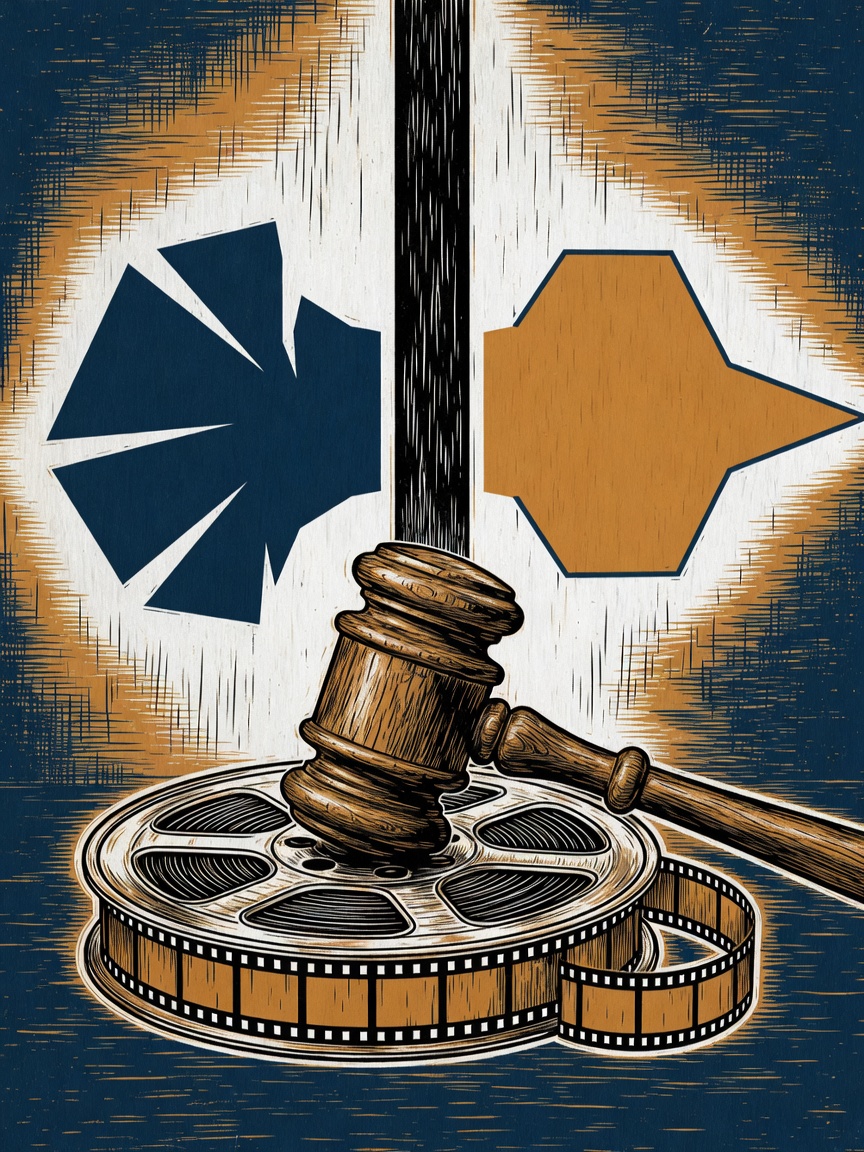
A federal judge granted a temporary restraining order on Monday, halting Paramount Skydance’s proposed $111 billion acquisition of Warner Bros. Discovery after a coalition of 12 states sued to block the deal on antitrust grounds.
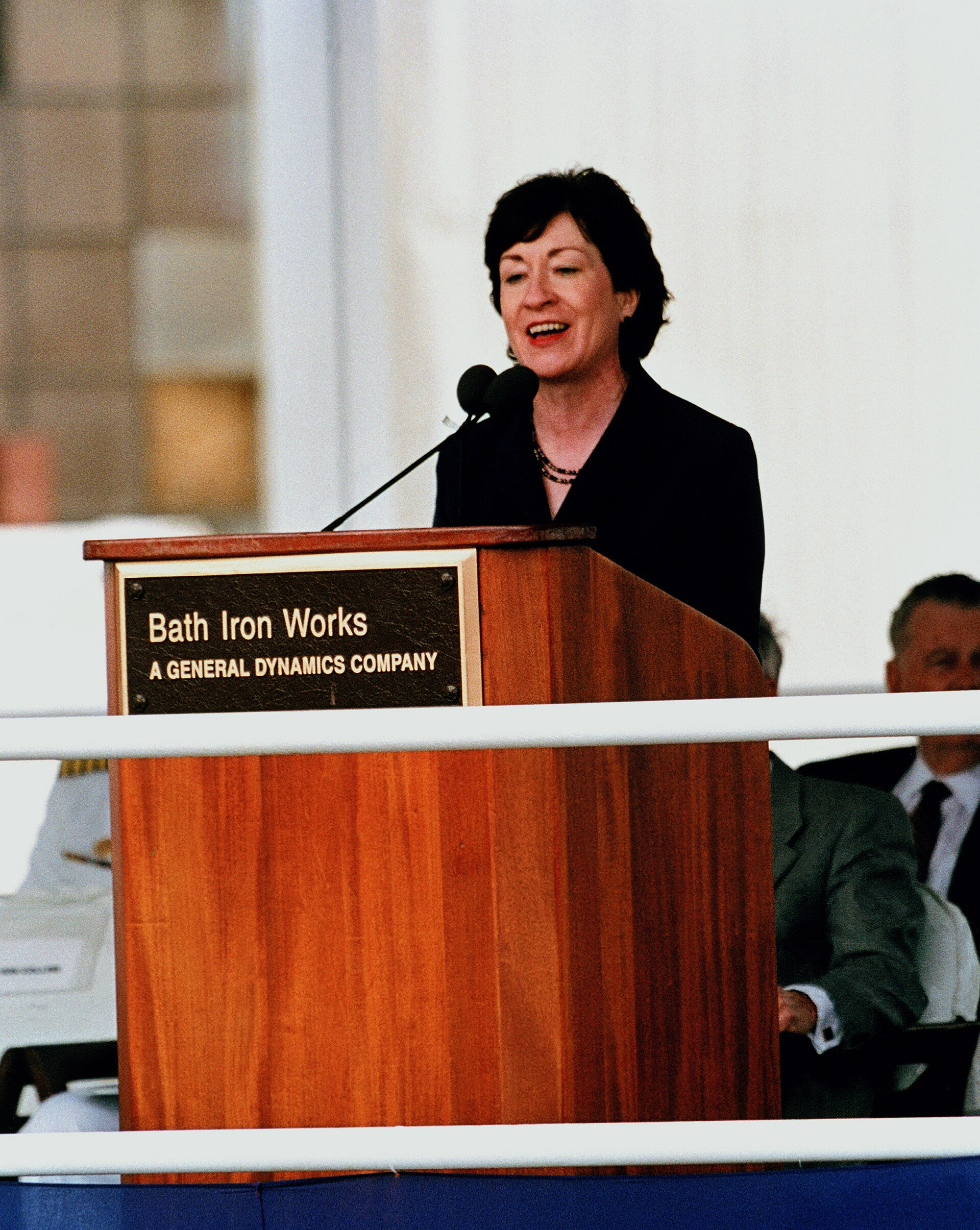
US District Judge Araceli Martínez-Olguín signed the order after hearing arguments from both sides in an Oakland courtroom on Friday. The injunction lasts 14 days. Neither company can finalize the deal or begin consolidating their operations during that window.
California Attorney General Rob Bonta leads the coalition of 12 states. The lawsuit argues that combining two of the five major Hollywood studios and two of the five major owners of basic cable TV channels would violate the Clayton Antitrust Act, a more than 100-year-old law prohibiting anticompetitive mergers. The states include Arizona, Colorado, Connecticut, Massachusetts, Minnesota, Nevada, New Jersey, New Mexico, New York, Oregon, and Washington.
Judge cites market share concerns
Martínez-Olguín wrote that the states “make a strong showing that the Transaction will substantially lessen competition” in the theatrical-film market. The court could “presume the proposed merger is likely to violate antitrust laws,” she said. The merged company would hold a 27 percent share of the wide-release theatrical distribution market. Courts have presumed that a merger resulting in a share of 30 percent or more is likely to violate antitrust law, but 30 percent is not the lowest market share that can pose a threat, she wrote.
The judge warned that allowing the merger to proceed would make it “extraordinarily difficult to unscramble the egg” if the court later decided to block it. She said the “public’s vital interest in antitrust enforcement” outweighed any temporary delay. Paramount and Warner Bros. “will continue to operate as separate, viable companies competing in the marketplace” while legal proceedings continue, she wrote.
Companies push back
Paramount defended the transaction. A spokesperson said the company is “confident the evidence will demonstrate that the State AGs’ antitrust arguments are without merit as their alleged markets and claims of anticompetitive effects are without any basis in modern market realities.” The company called the merger “lawful, pro-competitive, and will benefit consumers, creators, workers, and the entertainment industry.” Warner Bros. Discovery declined to comment.
Prosecutors representing the states said merging two major studios would cause “substantial harm on movie theatres, basic cable distributors, and, ultimately, audiences nationwide.” Bonta said his office and attorneys general nationwide had secured an emergency order, calling it “a critical first win in our case to ensure this megamerger never sees the light of day.”
The deal had already cleared federal review. The Antitrust Division of the US Department of Justice signed off on the tie-up in June, and the Trump administration had approved it. The European Union and the United Kingdom have been reviewing the transaction, with a provisional deadline of July 22. Paramount had indicated it intended to close the deal as early as that date, prompting the states to seek the restraining order. During Friday’s hearing, Paramount attorneys offered to delay closing until mid-August to avoid the order.
The restraining order can be extended past 14 days if more time is needed to rule on a preliminary injunction. The states could also seek another temporary restraining order after the 14-day period. Next court hearings are set for August.
Paramount has said it is on track to close the deal by the end of September. If the transaction is delayed beyond September 30, Paramount faces a ticking fee of 25 cents paid to Warner Bros. Discovery shareholders per quarter, equaling about $650 million per quarter. The company also agreed to a $7 billion breakup fee if the deal fails to move forward due to regulatory concerns.
The merger would end a century of rivalry between two of Hollywood’s biggest studios. Between them, Paramount and Warner Bros. own franchises including Harry Potter, Batman, Mission: Impossible, and Top Gun, as well as television channels CNN, MTV, Nickelodeon, TNT, and BET. The combined company would also unite the CBS broadcast network with streaming services Paramount+ and HBO Max. If the deal goes ahead, the new company would account for over a quarter of major film releases.
Sources & methods
- BBC News report on the temporary restraining order, the 12-state coalition, the judge's ruling, and the franchises at stake Archived Jul 21, 2026
- CNBC report detailing the lawsuit's state-by-state breakdown, Paramount's response, financial terms including ticking and breakup fees, and regulatory clearance timeline Archived Jul 21, 2026
- Ars Technica report on the judge's market share findings, the presumption of illegality, Trump administration approval, and Bonta's statement Archived Jul 21, 2026
This article was assembled from three published accounts of the court ruling from BBC News, CNBC, and Ars Technica, with facts cross-referenced across all three sources and direct quotes drawn verbatim from the original reporting.