John Ternus takes over as Apple CEO in the company’s first leadership change since 2011
Ternus succeeds Tim Cook, who moves to executive chairman, as Apple faces AI competition, a memory supply crunch, and rising device prices.
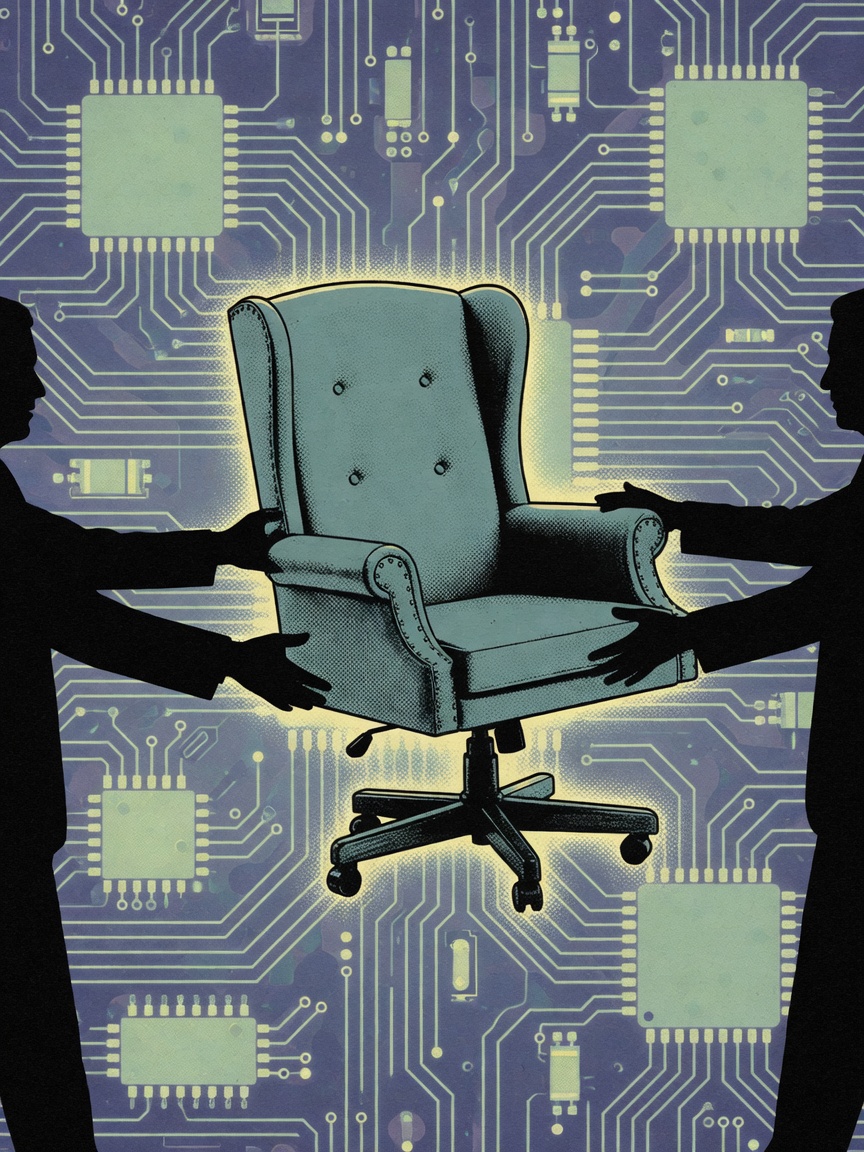
John Ternus officially became Apple’s chief executive on Tuesday, taking over from Tim Cook in the company’s first leadership change since Cook replaced Steve Jobs in 2011.
The transition gives Apple just its second CEO since Jobs left the company shortly before his death. Ternus, a 25-year company veteran who previously led hardware engineering, now oversees everything from software and devices to finance and legal at a $4.7 trillion company that, according to CNBC, has not yet fully executed its artificial intelligence strategy.
Cook, 65, is not leaving. He steps into the role of executive chairman and will continue engaging with policymakers around the world, according to Apple’s April statement announcing the succession. On his last day at the helm, Cook wrote on X that his title was changing but his love for the Apple community would not. In a letter to employees reported by The Verge, Cook wrote that the company is proof that culture triumphs over everything and that they share a belief in leaving the world better than they found it.
Ternus, 51, has stayed largely out of public view since the April announcement. Cook remained the public face of the company, even on the last earnings call a month ago. CNBC reported that Ternus hardly appeared on the call, and when an analyst asked directly about the competitive landscape, he said he would reiterate what Tim said. He added that there is so much opportunity for Apple in the space and that the company is focused on its plans.
A product person takes charge
Apple representatives have described the transition from Cook to Ternus as thoughtful and smooth. Ternus said in April that he would carry on Apple’s values and vision. Kathy Gersch, CEO of Kotter, a consulting firm focused on leadership changes, told CNBC that what worked for Tim Cook is not going to be the same that works for John Ternus. She said the company is in a new environment and will have to keep evolving and competing.
When Ternus spoke to CNBC in late 2023, he focused on the technology. Custom chips, device battery life, and memory architecture were among his primary interests. He said that if Apple builds the right products with the right components, the right silicon and other technologies, people love them. Gene Munster, managing partner at Deepwater Asset Management, told CNBC that Apple went with a product person, and that in the next couple of years Ternus needs to light up recruiting and bring in talent because the company still needs to reinvent itself.
According to CNBC, Apple released some new products during Cook’s tenure, such as AirPods and the Apple Watch, but the outlet reported that nothing revolutionized the industry. CNBC also reported that the mixed-reality headset Vision Pro has not sold well. The company is working on smart home gadgets, robots, AirPods with AI cameras, and other new categories of devices, according to reports and snippets found in a beta version of MacOS that CNBC cited.
Ternus also takes over without some of the executives who worked alongside Cook and Jobs. The Verge reported that Phil Schiller will step down from his role leading the App Store, though he continues as an Apple Fellow. Katherine Adams’ position as senior vice president of government affairs has been vacated, with some of that responsibility handed to Jennifer Newstead and Tim Cook. Former CFO Luca Maestri is no longer listed on the leadership team after transitioning to vice president of corporate services in 2024.
Memory crunch and rising prices
Ternus inherits a company contending with a global memory crisis driven by insatiable demand for AI chips and servers. In June, Apple announced price increases on MacBooks and iPads due to the memory crunch, CNBC reported. Cook told the Wall Street Journal shortly before that announcement that Apple would have to pass higher costs on to customers. Apple has not yet raised prices for iPhones, though CNBC reported that many analysts expect such an announcement early in Ternus’ tenure.
The supply shortage for memory and components shows few signs of abating, CNBC reported, signaling that gadgets may be more expensive going forward and permanently changing demand patterns and competition. CNBC also reported that Apple has raised prices on Apple TV and Apple One, a bundle subscription that includes iCloud storage, Apple Music, and other services, and that some analysts predict Apple’s folding phone expected this fall could cost as much as $2,500.
Apple’s stock is up about 17% so far in 2026, according to CNBC, outpacing most of its mega-cap peers thanks to a strong device cycle and market share gains over Android rivals that are having a harder time coping with memory scarcity. Still, CNBC reported that some analysts worry rising device prices will cover up sluggish unit sales. Brandon Nispel, an analyst at KeyBanc and one of the very few on Wall Street who recommends selling the stock, told CNBC that investors do not pay a premium for growth coming from price increases because it is not sustainable.
The first time much of the world will get to know Ternus is September 9, at Apple’s annual launch event, where the company is expected to unveil new iPhones and Apple Watches. The Verge reported that the event is expected to include a foldable Ultra iPhone. Cook followed in Jobs’ footsteps by taking the stage for every major product launch, events that CNBC noted garner headlines and millions of viewers. The September event will give an early glimpse of what to expect from the Ternus era and the new public faces of the company going forward, according to The Verge.
Sources & methods
- CNBC report on John Ternus succeeding Tim Cook as Apple CEO, covering the succession, the memory crunch, AI challenges, analyst reactions, and the upcoming product launch. Archived Sep 1, 2026
- The Verge report confirming Ternus's first day as CEO, Cook's move to executive chairman, leadership team changes, and the September 9 hardware event. Archived Sep 1, 2026
This article was assembled from two published reports, one from CNBC and one from The Verge, covering Apple’s CEO transition, leadership team changes, supply chain pressures, and the upcoming product launch event.