Meta agrees to pay up to $18 billion and overhaul teen features to settle multi-state addiction lawsuit
The settlement ends a landmark trial in Oakland and forces sweeping changes to Facebook and Instagram, including daily time limits and nighttime blocks for users under 18.
Meta Platforms has agreed to pay up to $18 billion and impose sweeping restrictions on teenage users of Facebook and Instagram, settling a landmark lawsuit brought by dozens of US states that accused the company of designing its platforms to addict children.
The settlement, revealed in a court filing Wednesday, ends a federal jury trial in Oakland, California, after just four days of proceedings. The trial had been expected to last several weeks. US District Judge Yvonne Gonzalez Rogers agreed to suspend the trial and is “inclined” to approve the settlement, Al Jazeera reported, but needs time to review it. The case was co-led by California Attorney General Rob Bonta and the attorneys general of Colorado, New Jersey, and Kentucky, representing a bipartisan group of 29 states, CNBC reported. A total of 52 attorneys general from states and territories signed on to the agreement, Al Jazeera reported. The Guardian noted this is the first time in the US that Meta has been forced to change key features of the everyday user experience.
The financial terms vary across accounts. Meta said the settlement “includes a payment of approximately $18 billion,” to be distributed in annual installments over 10 years, according to BBC and CNBC. Al Jazeera reported a maximum of $16.68 billion. The Verge and CNBC cited $17.1 billion, which CNBC noted includes more than $459 million related to the separate Cambridge Analytica case. The Guardian reported up to $17 billion. Texas, which was not part of the group settlement, agreed separately to a $1 billion payment, CNBC reported. California could receive $1.5 billion to $2.1 billion, and Colorado about $615 million, CNBC and The Guardian reported. Meta had faced up to $1.4 trillion in fines, Al Jazeera reported, though the coalition sought a penalty closer to $200 billion. The company expects to accrue a legal expense of approximately $10 billion in the third quarter of 2026, CNBC reported.
Sweeping platform changes
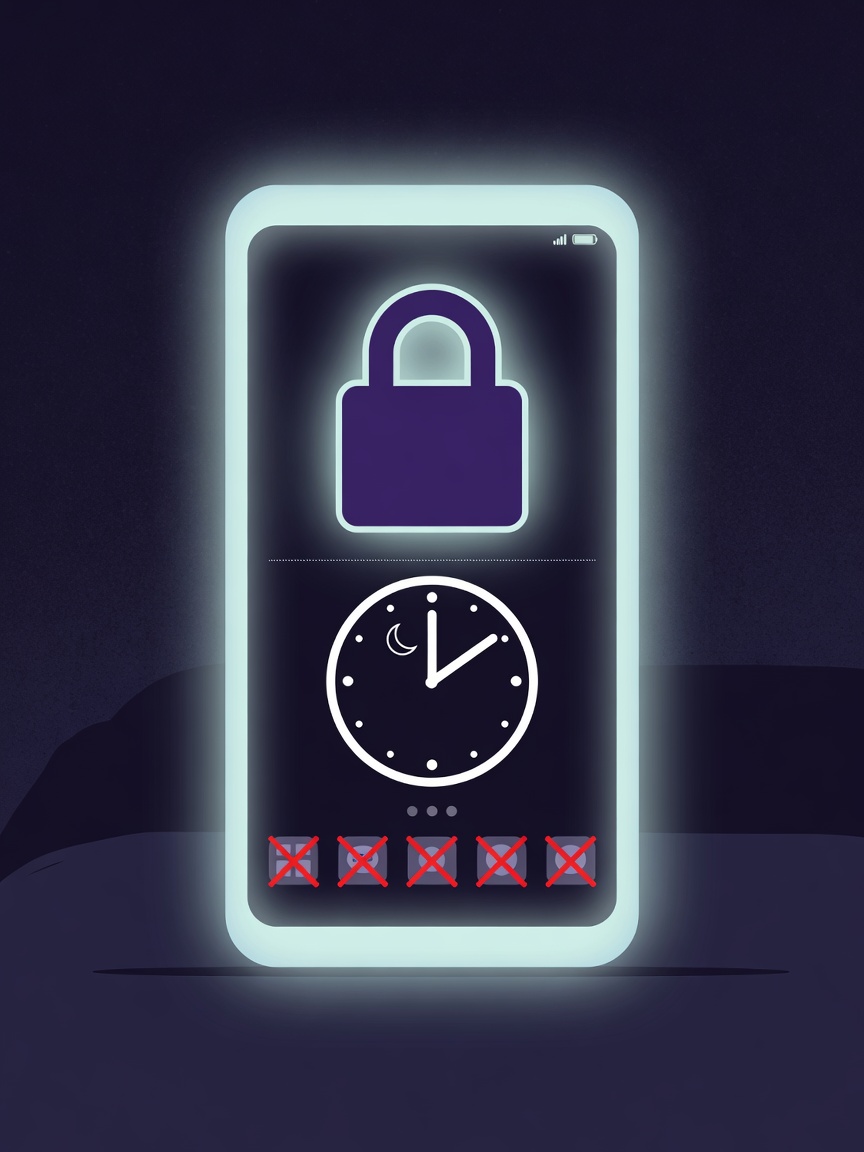
Under the settlement, Meta agreed to implement nationwide changes to Facebook and Instagram within months. Daily usage limits for users under 18 will be set at two hours, removable only by a parent, Al Jazeera and The Verge reported. The Verge added that the limits include exceptions for messaging and “longform content,” and that “productive pauses” will appear at 60 and 90 minutes of cumulative daily use, with a notice after 15 minutes. Time restrictions will drop to one hour if other social media giants agree to similar terms, Al Jazeera reported. Meta will suspend push notifications for teens between 10 PM and 7 AM unless parents disable the restrictions, and will disable notifications during school hours unless parents allow them, The Verge reported. Bonta said the changes include “stopping notifications during school, a block on the app during critical overnight hours, bans on plastic surgery filters, and so much more,” according to Al Jazeera.
The settlement also requires Meta to hide likes and reaction counts from users under 18 and remove cosmetic procedure filters, Al Jazeera reported. Teens will have the option to use a non-personalized feed that does not rely on algorithms to recommend content. Meta must develop an age assurance standard subject to independent testing, with a false positive rate no higher than 10 percent for users aged 16 to 17 and 3 percent for those aged 13 to 15, The Verge reported. The company will also identify and remove accounts belonging to children under 13, according to Al Jazeera. The agreement requires Meta to link accounts owned by a single user to prevent circumvention of the new rules, The Verge reported.
A portion of the payout is contingent on competitors. CNBC and The Verge reported that $5.3 billion of the total will only be paid if Google’s YouTube and TikTok implement their own daily time limits, age-assurance measures, and a “night mode,” with each paying an equivalent amount. Meta’s chief legal officer, CJ Mahoney, called on those companies to act. “Because teens move fluidly across dozens of apps, we need an industry-wide solution,” Mahoney said in a statement reported by Al Jazeera and The Verge. “We therefore call on our industry peers, TikTok and YouTube, to implement this new framework, right away.” The Guardian reported a version of the statement that also named Snap.
Trial testimony and remaining cases
The trial, however brief, produced striking testimony. Arturo Béjar, a former Meta safety engineer turned whistleblower, testified that the company had a “don’t ask, don’t tell” strategy regarding children’s safety, The Guardian reported. Béjar said Meta CEO Mark Zuckerberg was aware of the harms of Instagram and Facebook but publicly touted the platforms’ safety. “I felt that he created a false and misleading impression of Facebook’s commitment to young people,” Béjar testified, according to The Guardian. Zuckerberg had been listed as a witness but did not testify. Instagram chief Adam Mosseri testified on Tuesday. The Guardian reported that questioning began with a lawyer for the states accusing the company of touting safety features without disclosing that young people rarely use them. When faced with questions about low user numbers, Mosseri responded: “We don’t publish every single stat.”
Meta denied any wrongdoing as part of the settlement, which still needs court approval. The company had previously called the states’ pursuit an “outlandish payout,” The Guardian reported. The settlement follows losses in other cases. In New Mexico, a jury ordered Meta to pay $375 million in March and a judge ordered an additional $567 million in August, Al Jazeera and CNBC reported. The Guardian put the New Mexico total at nearly $1 billion. In February, Meta and YouTube lost the first individual case to go to trial and were ordered to pay $6 million to the plaintiff, The Guardian reported.
Other litigation continues. Thousands of similar lawsuits brought by families, individuals, and school districts remain pending against Meta, YouTube, TikTok, and Snap, The Guardian and CNBC reported. Lawyers representing plaintiffs in those cases said in a statement: “We will not rest until every one of these plaintiffs sees justice for the harms caused by all of the defendants’ platforms,” CNBC reported. The market reaction was mixed. Al Jazeera reported Meta’s stock tumbled in early trading before rebounding, finishing up 2.2 percent. CNBC said shares were up nearly 2 percent in morning trading, while Snap stock sank more than 8 percent.
Advocacy groups praised the settlement. “Real accountability and real consequences are the only things that drive meaningful change and help prevent harm before it happens,” the National Parents Union said in a statement provided to Al Jazeera. District of Columbia Attorney General Brian Schwalb called it a “monumental public health victory,” BBC reported, adding that the safety features “will fundamentally and immediately change how young people use Instagram and Facebook.” Colorado Attorney General Phil Weiser said: “The relief we are getting in this settlement is very meaningful and well beyond what any court has ordered or is likely to order,” The Guardian reported.
Sources & methods
- Al Jazeera report on Meta settlement terms, platform changes, financial details, and advocacy group reactions Archived Aug 26, 2026
- BBC report on settlement payment, safety features, and statements from Meta and the DC Attorney General Archived Aug 26, 2026
- CNBC report on settlement details, state allocations, contingent payments tied to YouTube and TikTok, and pending litigation Archived Aug 26, 2026
- The Guardian report on trial testimony from whistleblower Arturo Béjar and Instagram CEO Adam Mosseri, platform changes, and related cases Archived Aug 26, 2026
- The Verge report on technical requirements of the settlement, including age assurance standards, usage limits, and notification restrictions Archived Aug 26, 2026
This article was assembled from five published reports covering the Meta settlement, cross-referenced for financial figures, platform changes, and trial testimony. Conflicting numbers across outlets were attributed to their respective sources.