New Mexico judge orders Meta to pay $567 million in landmark child safety ruling
The order adds to $375 million in earlier penalties and requires sweeping product changes for users under 18, though Meta says it will appeal.
A New Mexico judge ordered Meta to pay $567 million into an abatement fund after finding the company’s platforms constitute a public nuisance that harmed children. It is the largest child safety ruling against a social media company, and it adds to $375 million in earlier penalties from the same case, bringing the total to $942 million.
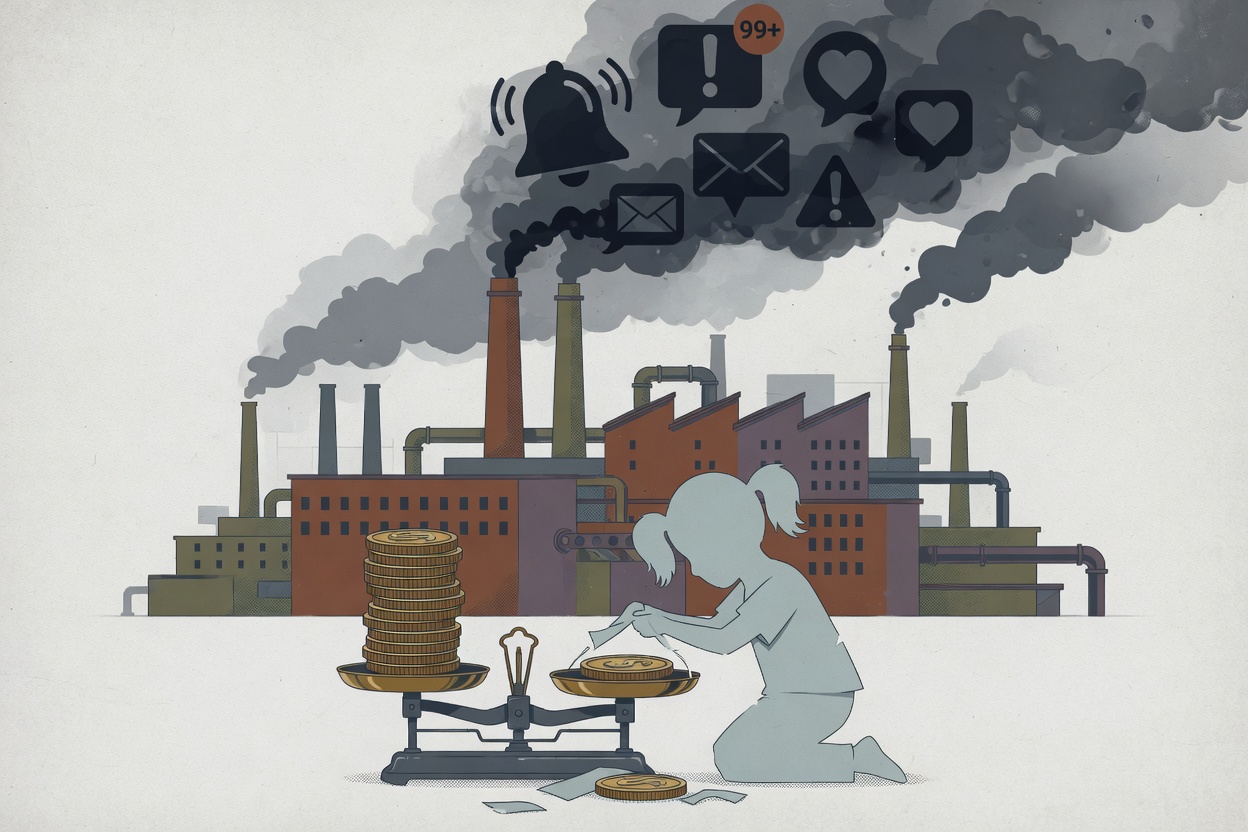
Judge Bryan Biedscheid ruled Thursday that Meta is a “public nuisance” akin to air pollution. He compared the company to a factory, with advertising and content as its product and “the psychological harm and sexual exploitation of children to be the pollution that must be abated.” The ruling came in the second phase of a landmark trial that began with a March jury verdict finding Meta had violated New Mexico’s Unfair Practices Act by misrepresenting the safety of Facebook and Instagram for young users. That jury ordered $375 million in damages. It was the first time a state had successfully sued Meta over child safety issues. The second phase, which did not involve a jury, focused solely on whether Meta’s platforms created a public nuisance under New Mexico law. Biedscheid heard three weeks of testimony during this phase.
A Meta spokesperson said: “We disagree with the ruling and will appeal. We work hard to keep people safe on our platforms and have been transparent about the challenges of identifying and removing bad actors and harmful content. We remain confident in our record of protecting teens online and will continue to defend ourselves against claims that misrepresent the facts.”
How the money will be spent
The bulk of the $567 million, totaling $420 million, will fund clinical and behavioral health programs for young people already harmed by Meta’s platforms. The remainder will support awareness and prevention training, including for teachers and health professionals, as well as screening services, assessment, referrals, and coordination over the next five years.
Biedscheid wrote that expert testimony supports a causal link between social media and the youth mental health crisis in New Mexico. The state lacks sufficient mental health programs for troubled youth, he noted. “Although Meta is not alone in this regard, its social media platforms are a significant contributing factor to the current mental health crisis among New Mexico’s youth established by the substantial evidence in this case,” he wrote.
Ordered product changes
The judge ordered sweeping changes. No account of a user under 18 may be recommended to an adult, and no adult may message an underage user. Meta must ban sending or receiving nudity by underage users. The company must enact a one-strike policy for adults who engage in child sexual exploitation. The company must eliminate “like” counts for users under 18, ban push notifications for those users between 10:00 PM and 7:00 AM, and block notifications during school hours from 8:00 AM to 3:00 PM on weekdays. A mandatory usage limit of 90 cumulative hours per month across Instagram and Facebook, roughly three hours per day, was also imposed.
Meta must also improve age verification using AI and attempt to develop, within two years, a dedicated model to predict whether users are under 13. The company was ordered to partner with schools or a child safety organization to create a reporting portal where administrators can flag suspected underage accounts. Facebook and Instagram must build informational screens explaining their protection features and display them regularly, with changes subject to review by New Mexico.
The judge did not order changes to Meta’s recommendation algorithms. He wrote that doing so could conflict with Section 230 and First Amendment protections. He declined to require Meta to stop supporting end-to-end encryption on Facebook. WhatsApp is not a contributing cause to the public nuisance, he noted, as predators and harmful content are not recommended to adolescents on that platform.
The case stems from a 2023 lawsuit. New Mexico Attorney General Raúl Torrez sued after an undercover operation in which a fake social media profile of a 13-year-old girl was created and, as he told CNBC, “was simply inundated with images and targeted solicitations” from child abusers. In the first phase of the trial, Meta was found to have repeatedly violated the state’s consumer protection law, as its recommendation algorithms “steered” young users toward harmful content and contacts.
Torrez said the judgment “holds the company accountable for the damage it caused to our children, our families, and our schools, and it forces real changes to how Meta operates in New Mexico.” Meta’s second-quarter financial filing noted that the attorney general had indicated intent to seek up to $62.85 billion in penalties in the case.
Meta faces thousands of lawsuits. The case is being closely watched across the US as states, municipalities, and school districts pursue similar claims seeking to force changes at the industry level. Earlier this year, the company lost a case in Los Angeles making comparable claims. Experts have characterized the wave of litigation as social media’s “Big Tobacco” moment, drawing parallels to the 1990s when tobacco companies were forced to pay billions for misleading the public about their products’ harms.
Sources & methods
- BBC News report on the $567 million ruling, the judge's factory-pollution analogy, ordered remedies, and Meta's statement of appeal Archived Aug 7, 2026
- Al Jazeera report on the second-phase ruling, the breakdown of fund allocation, ordered platform changes including informational screens, and the broader national context of similar claims Archived Aug 7, 2026
- CNBC report on the abatement fund, the judge's findings on causal links to the youth mental health crisis, Torrez's undercover operation, Section 230 limits on remedies, and the "Big Tobacco" comparison Archived Aug 7, 2026
This article was reported using three published accounts of the New Mexico ruling from BBC, Al Jazeera, and CNBC, drawing on the judge’s written order, trial testimony references, court filings, and statements from Meta and the New Mexico attorney general.