New UK Prime Minister Andy Burnham cuts VAT on household electricity bills as first cost-of-living move
The reduction from 5% to zero takes effect on 1 October and will save a typical household about £45 a year. Ministers say it is funded by scrapping the digital ID programme, but critics dispute the funding claim.
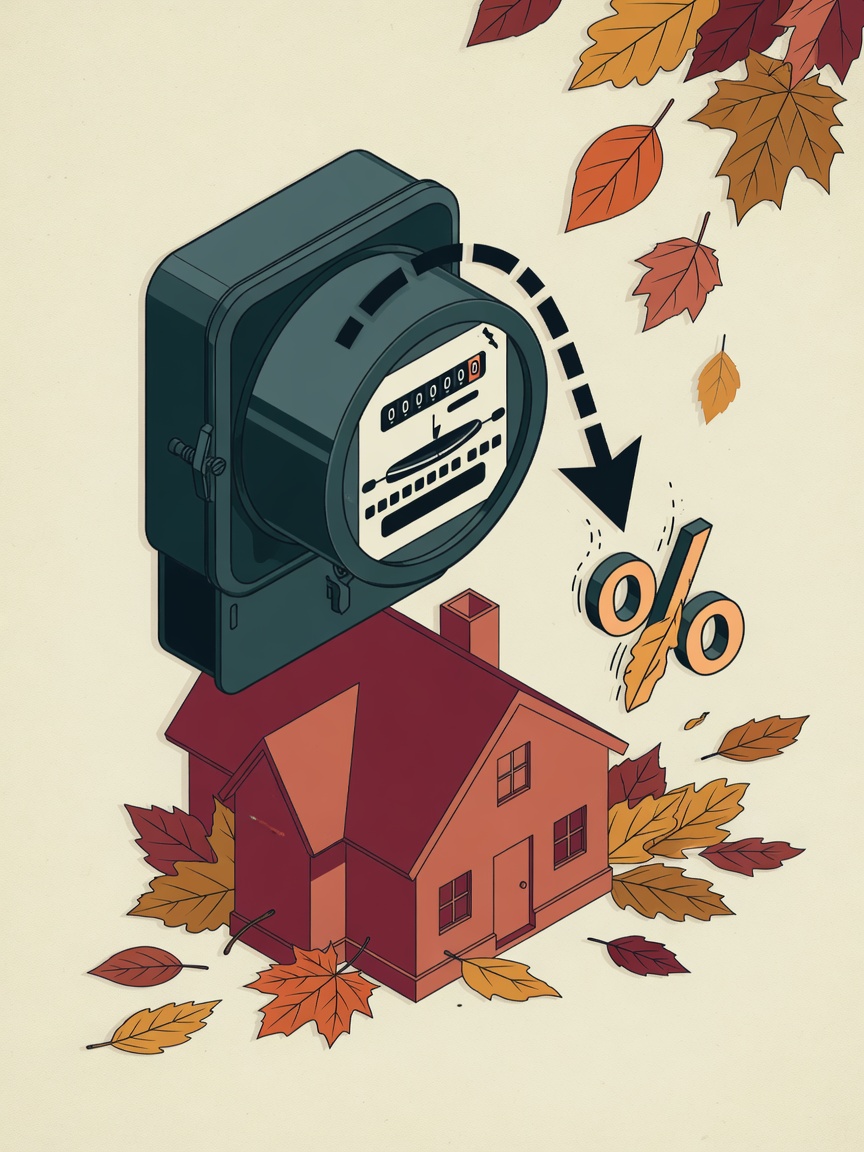
Andy Burnham announced on Tuesday that VAT on household electricity bills will be cut from 5% to zero starting on 1 October, saving a typical household about £45 a year, in his first major policy move as the United Kingdom’s new prime minister.
The cut is funded by savings from the cancellation of the digital ID programme, which the government estimated would have cost £1.8bn over the next three years. The VAT reduction itself will cost £850m in the current financial year, according to Downing Street. Burnham, who became prime minister on Monday, said the measure would put more money in people’s pockets and deliver the breathing space he promised in his first speech as prime minister.
The announcement came just one day into Burnham’s premiership. He had campaigned on a pledge to bring back hope to Westminster politics by easing the cost of living, de-privatising utilities, and ending rough sleeping. Some charges were taken off bills in April, and suppliers have been told the VAT reduction should be passed on to all household customers, including those on fixed tariffs, as was the case then.
Funding dispute erupts within hours
Within an hour of the announcement, Darren Jones, who was sacked as chief secretary to the prime minister in Burnham’s reshuffle on Monday, publicly questioned the funding. Jones, who was also previously chief secretary to the Treasury, wrote on X that the digital ID programme was unfunded and that the government would have to set out how it would pay for its new policies at the budget. He called the VAT cut itself good news and a simple way for families to save money while mechanically helping to keep inflation lower.
Conservative Shadow Chancellor Mel Stride also criticised the funding arrangement. Stride said the cuts to the digital ID card budget were not real because the money was never provided in the first place, adding that the government was already engaging in smoke and mirrors on the public finances just one day in.
The Office for Budget Responsibility said last November that digital ID would have to be paid for out of savings from government departments, and those savings had not yet been identified. The spending watchdog provisionally forecast the programme to cost £1.8bn in total over the next three years. Government sources have insisted that departments had been working to find the savings since the OBR made its forecast in November, and that this money would now be reallocated to fund the VAT cut.
Business Secretary Jonathan Reynolds defended the plan on the BBC’s Today programme. He called the cut a statement of priorities. Reynolds described it as a straightforward switch spend, redirecting money that would have had to have been found for digital ID, and said scrapping the scheme removed pressure from the budget and allowed the government to give real help to people. He confirmed the cut was funded until the end of the financial year in March 2027, and that any changes beyond that would have to be announced in the next Budget.
Scope, inflation impact, and winter pressures
The cut takes effect in England, Scotland, and Wales. Northern Ireland is regulated differently and its consumers will continue to pay VAT under commitments to adhere to EU tax laws, but the government said it would give the Northern Ireland executive an equivalent amount of funding to spend on its own cost-of-living package.
Small businesses that qualify for the domestic energy VAT relief and are not registered for VAT, as well as charities and residential care homes eligible for the reduced rate, will also benefit. The government expects the cut to lower inflation by 0.1 percentage points. Cutting VAT is a basic tool for reducing energy bills, with larger households likely to save more because they use more electricity. Some vulnerable households are also high electricity users, such as those running medical equipment.
Household energy prices rose by 13% for millions of people in England, Scotland, and Wales at the start of July under regulator Ofgem’s price cap. Those rises were driven by the higher cost of gas but had a limited impact owing to warm weather and lower energy use during the summer. Analysts say higher energy prices caused by the US-Israeli war with Iran, which has constrained global supplies of oil and liquified natural gas, are likely to persist into the winter.
Chancellor John Healey will set out detailed costings of the plan, along with more long-term action to bring down living costs, at the budget later this year. Burnham’s allies have talked about reducing the cap on bus fares and even temporarily freezing rents in the private sector. As well as bringing down bills, the move will help encourage consumers to replace gas boilers with electric heat pumps, given the gap between gas and electricity prices will now be reduced.
Sources & methods
- BBC News article on the VAT cut from household electricity bills, including funding details, political reactions, and energy market context. Archived Jul 21, 2026
- Guardian article on Andy Burnham's announcement of the VAT cut as his first cost-of-living move, including quotes from Burnham, Jones, Reynolds, and Healey, and details on Northern Ireland and heat pump incentives. Archived Jul 21, 2026
This article was assembled from two source texts: a BBC News report and a Guardian report, both published on 21 July 2026. Claims were cross-referenced between the two outlets and attributed where the sourcing mattered.