Nvidia CEO Jensen Huang resigns after 33 years as relationship with suspected spy draws U.S. scrutiny
The collapse of Huang’s tenure fuses corporate-governance failure with national-security risk, as investigators examine whether Nvidia chips were funneled to China through a Singapore-based company.
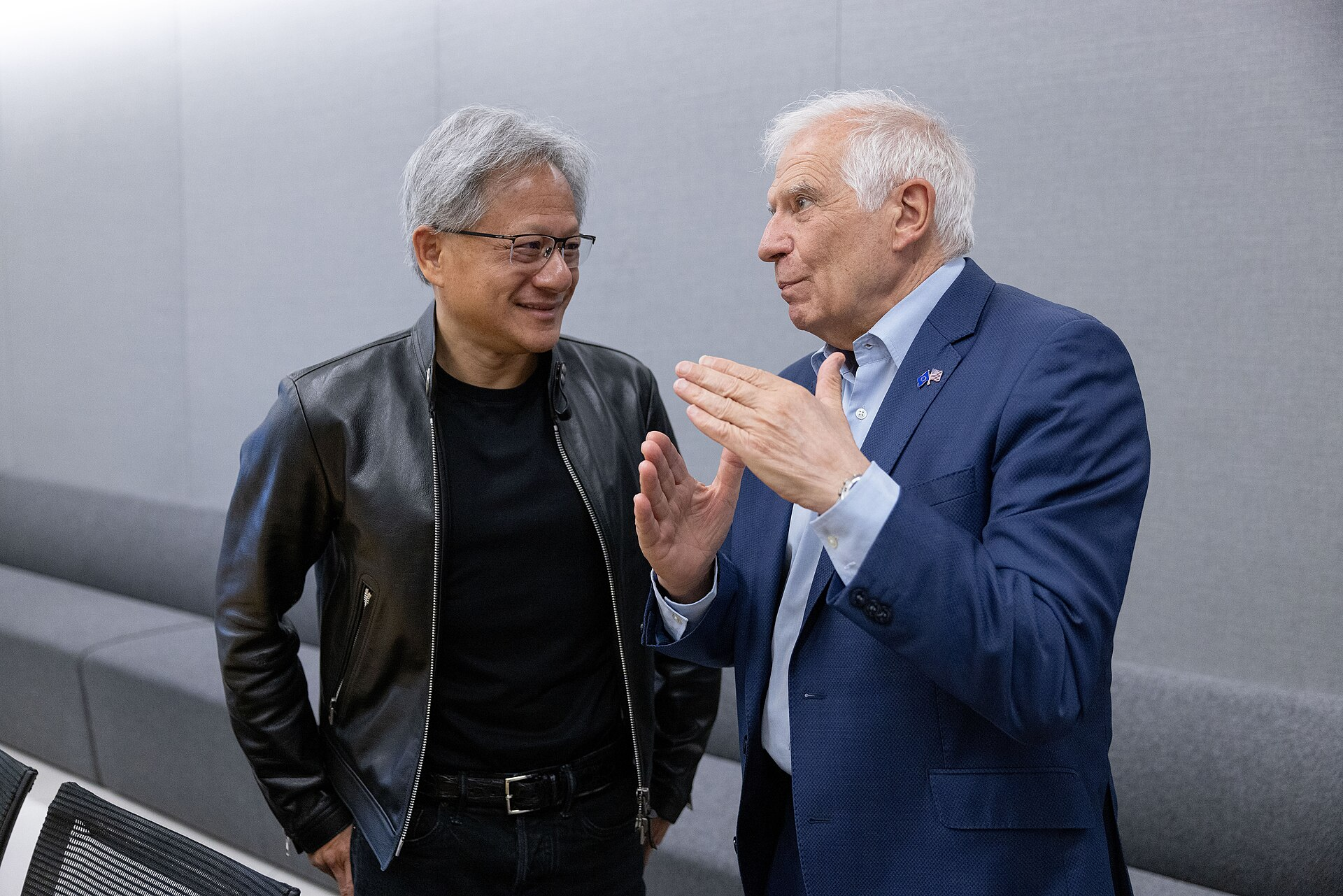
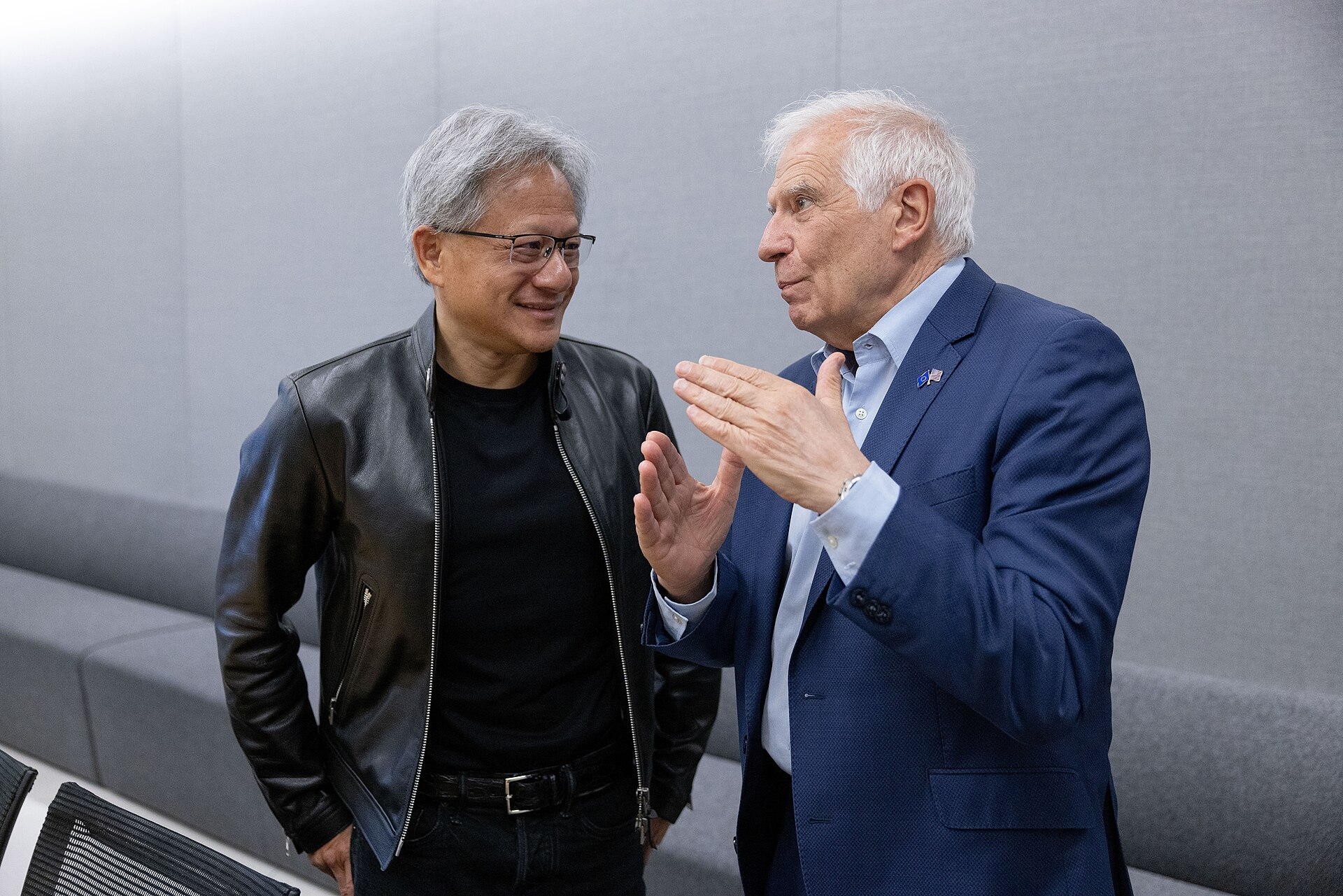
Jensen Huang resigned as CEO of Nvidia on Thursday, Nov. 12, after 33 years leading the $4tn chip company. His departure fused a personal scandal with a U.S. counterintelligence probe into whether Nvidia technology was diverted to China through a woman he was involved with.
Huang had a relationship with a Chinese executive who ran Singapore-based Megaspeed, a data center company that U.S. investigators suspect of funneling Nvidia chips to China. U.S. officials suspect the woman of spying for China’s government, according to the New York Times, which reported the relationship. Nvidia’s top lawyer had been engaged with the government’s Megaspeed inquiry more than a year ago, the Times also reported, though the company has said only that it regularly contacts government officials. Some people inside Nvidia clearly knew parts of the picture. What remains unclear is whether anyone on Nvidia’s security team was aware of the relationship or the government’s scrutiny of Megaspeed before the Times published its account.
Reports surfaced of two additional affairs with Nvidia employees. The Times, citing five Nvidia employees, said Huang was involved with a vice president who reported directly to him. Reuters, citing two people, later reported a second relationship with a separate Nvidia employee. The behavior is not expressly forbidden by Nvidia’s code of conduct, and colleagues appear to have known of the relationships even if the conduct was not formally prohibited. Huang admitted to being unfaithful in a letter to employees sent over the weekend, referencing his wife of 41 years.
The reaction was swift. The Nasdaq fell 4% immediately after Huang’s resignation. Nvidia’s stock plummeted over the week of the scandal, casting a pall over the AI boom and threatening the stability of the U.S. economy. Huang’s downfall is a nightmare scenario for a tech industry that has grown increasingly fearful of security threats.
Security chief’s quiet August exit
Nvidia’s chief security officer, David Reber, stepped down in August, citing health reasons. Reber, who spent four years as CSO and seven at Nvidia overall, wrote on LinkedIn that he had been diagnosed with young-onset Parkinson’s more than two years ago. “This wasn’t a pivot I had planned. But I know what needs to come first: family and health,” he wrote. His replacement, Saša Zdjelar, previously spent 17 years at ExxonMobil, one year at Salesforce, and several years at the cybersecurity firm ReversingLabs. Zdjelar did not respond to questions about the transition. Nothing public connects Reber’s or Zdjelar’s role changes to the Megaspeed matter. Relationships between a CEO and employees typically fall to HR, legal, and the board, not security, though specialists note that a foreign intelligence service can exploit any affair an executive wants kept quiet.
A pattern as old as espionage itself
The tactics on display are familiar to intelligence professionals. Don Aviv, CEO of corporate intelligence firm Interfor International, said his firm has conducted approximately a dozen honeypot investigations for significant companies over the past three years. “The reason that this is making the news is because obviously you have one of the wealthiest men in the world and one of the highest-profile CEOs in the world,” Aviv said. “But this happens all the time, across industries.” Randy Watt, head of the corporate threat assessment firm SRW, described the method in elemental terms. “The honeypot style trap is as old as the earth itself,” he said. “It speaks to a consistent weakness in humans that is exploitable.” Silicon Valley has long been a target for foreign spying. During the Cold War, Soviet agents operated out of the Russian consulate in San Francisco, stealing technological secrets from U.S. firms, according to former FBI special agent Rick Smith. “Gaining access to our advanced technology continues to be their top priority,” William Casey, director of the CIA, warned in 1985. OpenAI has held training sessions on honeypot scenarios, according to the Wall Street Journal. The Washington Post obtained declassified FBI documents in August showing that former California congressman Eric Swalwell admitted to “occasionally hooking up” with suspected Chinese operative Christine Fang. Retired senior intelligence officer Nicholas Eftimiades, who says he has trained more than 1,000 corporate security professionals, said he hopes the episode is a wake-up call for U.S. industry, which he called mostly clueless about China’s tactics. The Chinese government has denied involvement, with a Ministry of Foreign Affairs spokesperson calling the reports “nothing but a smear against China.” Megaspeed has also denied wrongdoing.
Nvidia has not answered questions about Huang’s affairs or what the company knew and when. What the security team knew, and whether it could have acted on it, may become clearer as the board’s independent investigation and federal inquiries proceed.
Sources & methods
Reporting based on accounts from The Guardian and TechCrunch, including statements from corporate intelligence professionals and a public LinkedIn post.