Paramount agrees to pause Warner Bros. acquisition as antitrust lawsuit proceeds
The delay could push the $110 billion deal to June 2027 and cost Paramount as much as $1.7 billion in ticking fees.
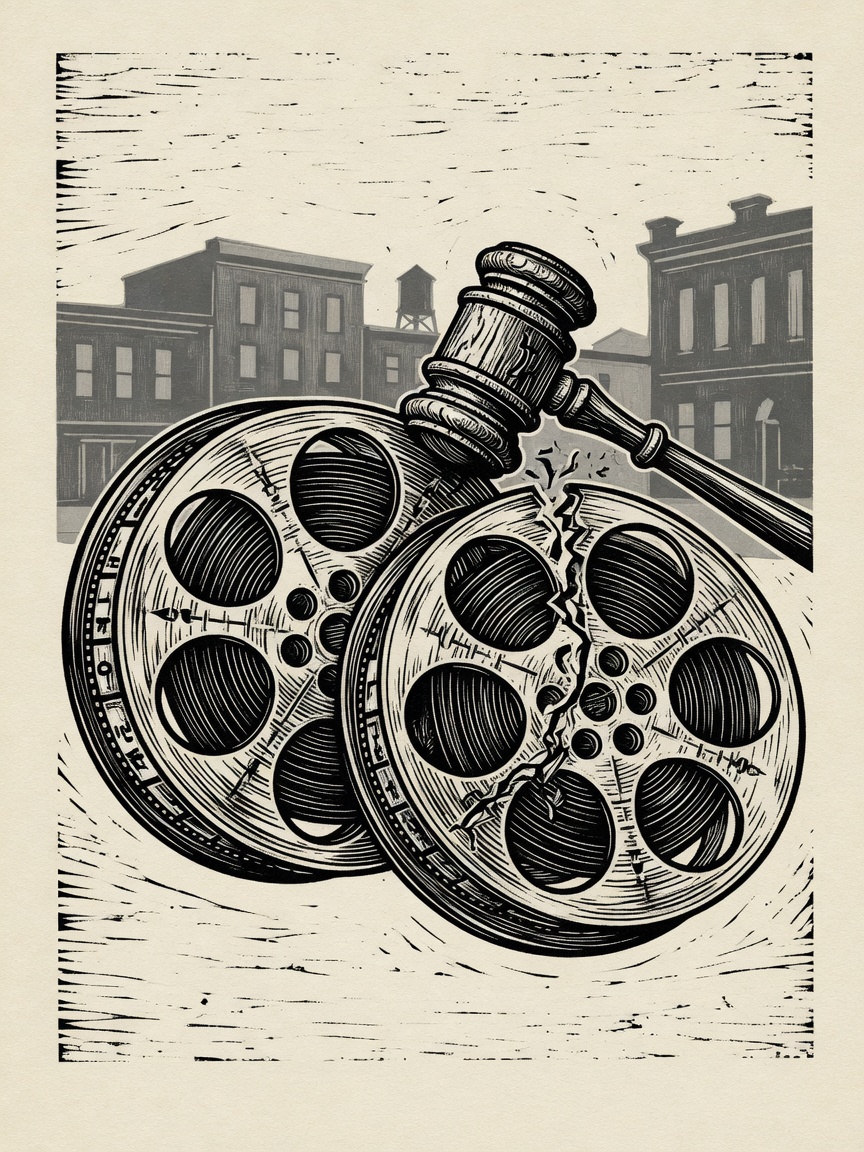
Paramount Skydance has agreed to halt its $110 billion acquisition of Warner Bros. Discovery until a federal judge rules on a multi-state antitrust challenge, a delay that could push the deal to June 2027 and cost Paramount as much as $1.7 billion in fees.
The stipulation, filed in federal court in California on Friday, prevents the companies from completing the merger or integrating operations until five days after the judge rules on the merits of the case, or until June 1, 2027, whichever comes first. If no merits determination is reached by that date, the plaintiffs could seek a preliminary injunction to keep blocking the deal. The agreement amounts to a months-long halt.
Twelve states, led by California Attorney General Rob Bonta, sued on July 13 to block the deal, arguing it would extinguish competition in Hollywood and lead to fewer choices for moviegoers and cable customers. The states allege the deal would reduce competition in the cable and theatrical markets by combining two of the five major Hollywood movie studios and two of the five major owners of basic cable TV channels. The Writers Guild of America filed its own lawsuit to block the merger as well.
On Monday, U.S. District Judge Araceli Martínez-Olguín granted a temporary restraining order requested by the states, freezing the transaction for 28 days pending the outcome of a motion for a preliminary injunction. She found that the deal is likely to reduce competition substantially and violate antitrust laws.
Both sides claimed victory. Paramount called the agreement a “significant win” and said it provided “a direct path to a trial based on the evidence.” The company said its transaction is “good for competition, good for consumers, and good for creators, a conclusion dozens of competition authorities around the world have already reached.” A Paramount spokesperson said the company looks forward to proving its case at trial and has called the states’ claims meritless.
New York Attorney General Letitia James called the pause “a critical victory in our efforts to uphold the law and protect the film and television industries.” Bonta said the agreement was “great news for audiences, movie theaters, and the many people who write, build, and create the art, news, and entertainment so many of us enjoy.” He said the states are eager to continue making their case in court.
Financial stakes mount
The financial costs are steep. Starting September 30, Paramount owes Warner Bros. Discovery shareholders a ticking fee of an additional 25 cents per share per quarter, amounting to roughly $650 million in cash value every 90 days the deal remains unfinished. If the delay stretches to June 2027, the total added cost could reach $1.7 billion. Should the deal collapse entirely, Paramount would owe WBD a $7 billion breakup fee. A Paramount spokesperson confirmed those fees are not affected by the latest development. Shares of Paramount Skydance fell three percent in afternoon trading Friday.
The companies agreed to combine in February after David Ellison outbid Netflix for Warner Bros. Discovery. The deal would unite two of the five last legacy studios in Hollywood, along with the Paramount+ and HBO Max streaming services, dozens of cable channels, CBS, and CNN. Titles in the combined streaming libraries would include films such as Top Gun.
Political and editorial concerns
The merger has drawn scrutiny beyond antitrust. The deal is largely bankrolled by Oracle co-founder Larry Ellison, the father of Paramount CEO David Ellison and a close ally of President Donald Trump. The elder Ellison’s involvement has raised questions about political influence over two major newsrooms that would fall under one corporate roof, especially given Trump’s public criticism of CNN as “fake news.”
David Ellison has reoriented CBS in an editorial direction more favorable to the president, particularly under CBS News editor-in-chief Bari Weiss, the Guardian reported. He pledged in March that CNN’s editorial independence would be protected amid speculation that he could put Weiss in charge of the cable network. Journalists at CBS News and CNN have expressed concerns about the possibility of the networks being merged and the likely resulting job losses. Press freedom groups have also voiced fears over political influence around the deal.
Senator Elizabeth Warren called the deal “terrible news for every American who doesn’t want Trump-aligned billionaires to control what they watch and how much they pay.” In a social media post, she said the merger “has reeked of corruption and influence-peddling.” The U.S. Justice Department cleared the merger in June, and European antitrust regulators approved it earlier this week. Justice Department staff lawyers who led the investigation had been leaning toward recommending a lawsuit to block it, according to reporting cited by Ars Technica. Similar merger challenges have taken an average of eight months for a judge to rule, a Reuters review of recent cases found. Martínez-Olguín has yet to sign the agreement filed Friday.
Sources & methods
- Al Jazeera coverage of Paramount's agreement to pause the Warner Bros. deal, including fee details, state lawsuit, and political concerns Archived Jul 25, 2026
- CNBC report on the delay terms, ticking fee structure, breakup fee, deal history, regulatory approvals, and corporate statements Archived Jul 25, 2026
- The Guardian's account of the merger pause, editorial influence concerns, Bari Weiss, Elizabeth Warren, and journalist reactions Archived Jul 25, 2026
- Ars Technica report on the court stipulation, Writers Guild lawsuit, judge's findings, and DOJ staff lawyers' opposition Archived Jul 25, 2026
- NPR coverage of the legal filing, dual lawsuits, financial penalties, Larry Ellison's role, and Trump's CNN criticism Archived Jul 25, 2026
This article was assembled from court filings, corporate statements, and coverage by Al Jazeera, CNBC, The Guardian, Ars Technica, and NPR. All direct quotations were verified against the source texts.