Shein cuts its valuation to $27 billion for Hong Kong IPO after quarterly loss and regulatory scrutiny
The fast-fashion retailer will list on 1 September after failed attempts in the US and London, offering nearly 280 million shares at a fraction of its 2022 peak worth.
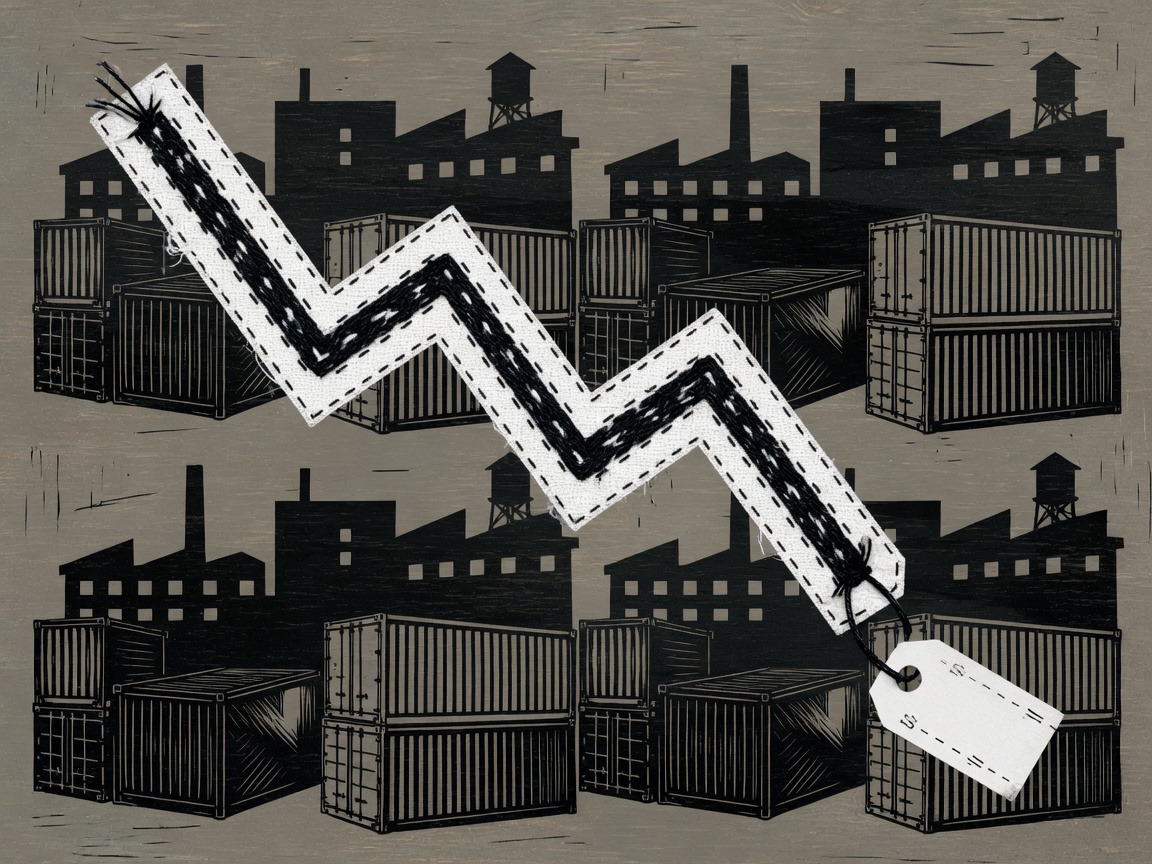
Shein will list on the Hong Kong stock exchange on 1 September at a valuation of close to $27 billion, a steep drop from the $100 billion the company was worth in 2022. The cut-price float comes as the fast-fashion giant reports a $99 million first-quarter loss and faces persistent questions over its supply chain and environmental impact.
The offering marks the end of a long and difficult road to public markets. Shein’s plans to list in New York were blocked by regulators over forced labour concerns. Its London attempt also collapsed. The company came under scrutiny over its refusal to answer questions about its supply chain practices.
A fraction of its former worth
Shein said in a filing on Monday that it will offer nearly 280 million shares for between HK$47.60 and HK$49.50 each. At the top of the range, the share sale would raise $1.77 billion for the company and give it a market valuation of $26.8 billion. The final offer price will be set the day before trading begins.
Shein reached $100 billion in an April 2022 fundraising round, making it the third most valuable startup in the world. The decline reflects weaker sales growth and higher costs. The company was founded in 2008. It runs most of its operations from China but sells all its goods outside the country, and relocated its headquarters to Singapore between 2021 and 2022. Analysts have said the relocation was intended to avoid increasing global scrutiny of Chinese firms.
The IPO is being backed by Goldman Sachs, Morgan Stanley, and JP Morgan. Feng Qu, an economics associate professor at Nanyang Technological University, said Hong Kong has been revived as one of the largest IPO markets after attracting more firms from mainland China. Chinese firms may avoid US listings. He added that Shein is likely to command a higher valuation in Hong Kong than in London, where regulatory scrutiny derailed its plans.
Costs climb as exemptions end
Shein swung to a quarterly loss. The company lost $99 million in the first three months of the year, compared with a net income of $395 million a year earlier. The company said the loss partly reflected a paper loss of $328 million due to an accounting change for special investor shares whose value can change before a listing.
The results followed President Donald Trump’s removal of the de minimis exemption, a waiver on import duties for small packages that had helped Shein and its rival Temu grow quickly in the US. Marguerite LeRolland of Euromonitor International told the BBC that the end of the exemption helped slow Shein’s US sales and could narrow the price gap between Shein and competitors like Primark and H&M.
Jane Foley, Rabobank’s head of FX strategy, told the BBC’s Today programme that the ending of the de minimis exemption ‘really did undermine the core business model of Shein.’ Richard Lim of Retail Economics told the BBC that Chinese retail giants such as Shein have caused ‘a huge wave of destruction’ in markets like the UK, with more established companies struggling to compete.
Shein also cited the Iran war as a factor that hit demand, increased costs, and caused delivery delays in some markets. The company said it was pursuing a wide range of options, including increasing prices in the US market to offset a portion of the increased costs. Its European customer base reached 156 million average monthly users by the end of last year, making it one of the continent’s biggest e-commerce platforms alongside Amazon.
Susannah Streeter, chief investment strategist at Wealth Club, said the IPO ‘is going to be a harder sell, with plenty of investors questioning whether its low-cost formula still has the star power to deliver the growth they’re looking for.’ Shein has faced allegations of forced labour in its supply chains and has previously told the BBC it has a ‘zero tolerance for forced labour.’
In early 2025, the company refused to reassure British MPs that its products do not include cotton produced in the Xinjiang region of China, which has been linked to forced Uyghur labour. The company’s fast-fashion business has also faced concerns over its environmental impact.
In November, Shein opened its first physical outlet in the BHV department store in Paris. Hundreds of customers lined up on its opening day, and dozens more people gathered to protest, requiring a heavy police presence.
Sources & methods
- BBC News article on Shein's Hong Kong IPO valuation, quarterly loss, de minimis exemption impact, supply chain scrutiny, and expert commentary from Euromonitor, Rabobank, and Retail Economics Archived Aug 24, 2026
- Guardian article on Shein's cut-price $27 billion Hong Kong float, failed US and London listing attempts, headquarters relocation, and investor concerns quoted from Wealth Club strategist Archived Aug 24, 2026
This article was assembled from BBC and Guardian reports on Shein’s Hong Kong IPO filing, cross-referencing financial figures, regulatory history, and expert commentary attributed to each outlet.