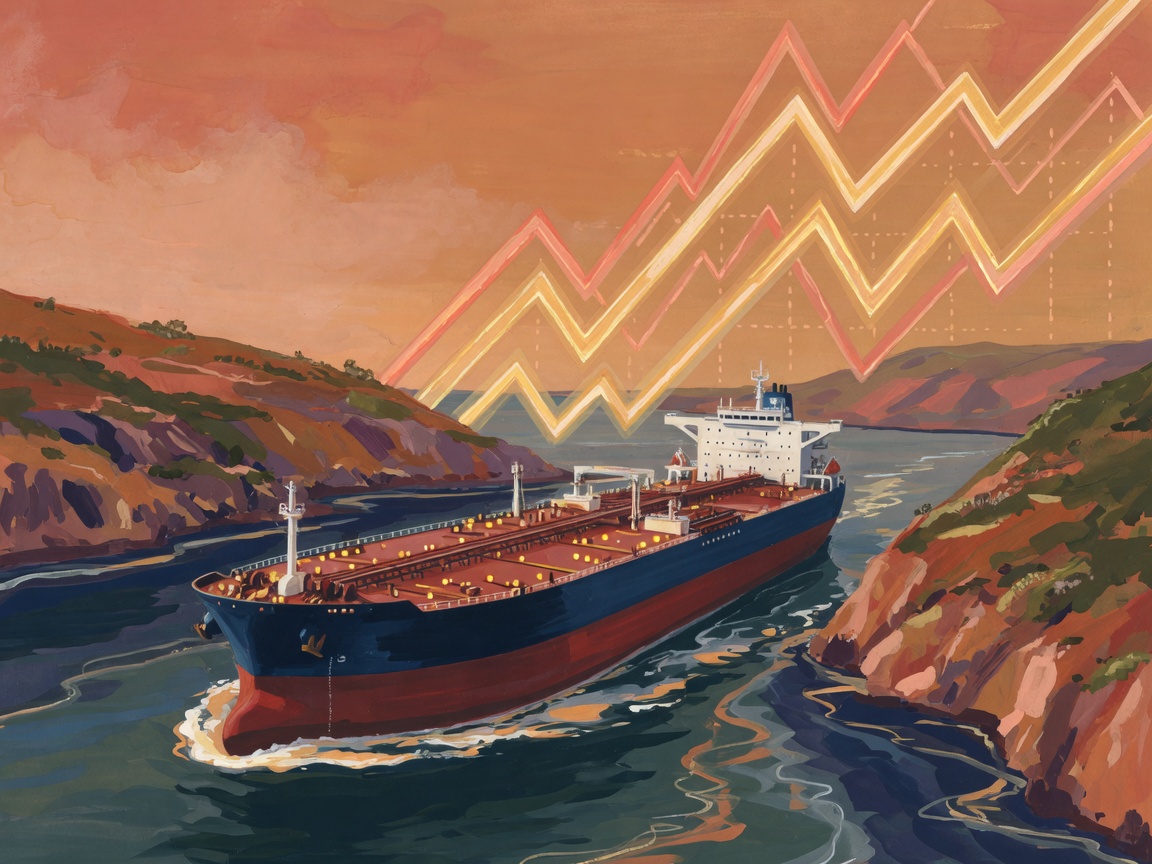
Shell posted its strongest quarterly profit in four years on Thursday, as war between the United States, Israel, and Iran sent oil and gas prices soaring through disruptions to supplies moving through the Strait of Hormuz.
The London-listed energy major reported adjusted earnings of $9.84 billion for the April-to-June period, comfortably beating analyst expectations of $8.79 billion compiled by LSEG and a separate company-provided forecast of $8.92 billion. The result more than doubled the $4.26 billion Shell earned in the same quarter a year earlier. It also surpassed the $6.92 billion profit from the first three months of 2026. Together, the two quarters produced a 70 percent surge in first-half earnings.
The figure marks Shell’s best quarterly result since the second quarter of 2022. At that time, the company reported earnings of $11.47 billion as oil and gas prices surged following Russia’s full-scale invasion of Ukraine.
What drove the surge
Oil prices have climbed sharply since the outbreak of the conflict. Before the war began, Brent crude, the global benchmark, traded at around $73 a barrel. The price has since peaked above $120 a barrel, though it has also fallen back below $100 as speculation swirled over when the Strait of Hormuz would reopen. On Thursday, Brent traded at $93.18 a barrel. The Guardian reported that the global oil price climbed from about $61 a barrel in January to highs of $126 at the end of April.
These big movements in oil prices widened the gap between buying and selling prices, which typically enables traders to make bigger profits. Wholesale energy prices have soared because of the conflict, boosting profit margins and activity on Shell’s trading desks. Shell and other energy giants, including BP and Norway’s Equinor, have seen bumper profits this year, partly from trading on oil price swings.
The U.S. on Wednesday launched its first airstrike in the Middle East since pausing its bombing campaign last week. U.S. Central Command described the strikes as a “powerful response” to attempted Iranian attacks on American forces in the region.
Sawan cites operational strength
Shell chief executive Wael Sawan said the company’s “operational performance enabled very strong results during another quarter of severe disruption in global energy markets.” “Volatility is the new normal,” Sawan told CNBC’s “Squawk Box Europe.” He said the company was trying to build one that can “thrive through volatility.” Sawan pointed to two elements the company controls: “outstanding operational performance” and “very strong trading and optimization.” He acknowledged that high commodity prices provided a strong tailwind for the results.
Shell said it would maintain the pace of its share buyback program at $3 billion over the next quarter. Cash flow from operations reached $21.4 billion. Net debt fell to $41.75 billion, down from $52.6 billion at the end of the first quarter. The company left its 2026 capital expenditure outlook unchanged at a range of $24 billion to $26 billion.
Not all indicators were positive. Shell reported a 30 percent drop in production from its integrated gas division compared with the same quarter last year. The decline followed a strike that damaged its assets at the Ras Laffan liquefied natural gas complex in Qatar in March. Repairs to the plant are expected to take about a year.
Environmental groups demand windfall tax
Shell’s surging profits reignited calls from environmental campaigners for taxes to fund support for households hit hardest by rising energy costs. Rudy Schulkind, a political campaigner at Greenpeace, said the group was “running out of words to describe the obscenity” of huge profits at Shell. “Europe is engulfed by apocalyptic wildfires, communities across Asia are reeling from devastating floods, and the UK battles through drought and yet more dangerous heat,” he said. “These aren’t anomalies, they’re the defining story of the fossil fuel age. Shell takes the profits, and the rest of us pick up the catastrophic bill.” Schulkind called on the government to implement a windfall tax on big oil companies and use the revenue to help households, strengthen resilience against extreme weather, and accelerate the transition to clean energy.
Robert Palmer, deputy director at the campaign group Uplift, accused Shell of “maniacal behaviour” for “putting its profits ahead of the health of our planet.” “The world is literally on fire and Shell wants to add more fuel,” he said. London-listed shares of Shell rose 1.5 percent in early trading on Thursday, to £33.72, the highest since early June. The stock has climbed about 21 percent so far this year. Shell lags competitors including Britain’s BP, France’s TotalEnergies, and U.S. majors Exxon Mobil and Chevron in year-to-date share performance.