Trump administration imposes new tariffs on 60 countries over forced labor concerns
The duties of 10% to 12.5% replace temporary global levies set to expire Friday and cover 99% of U.S. imports. Officials cite inadequate enforcement of forced labor bans by trading partners.
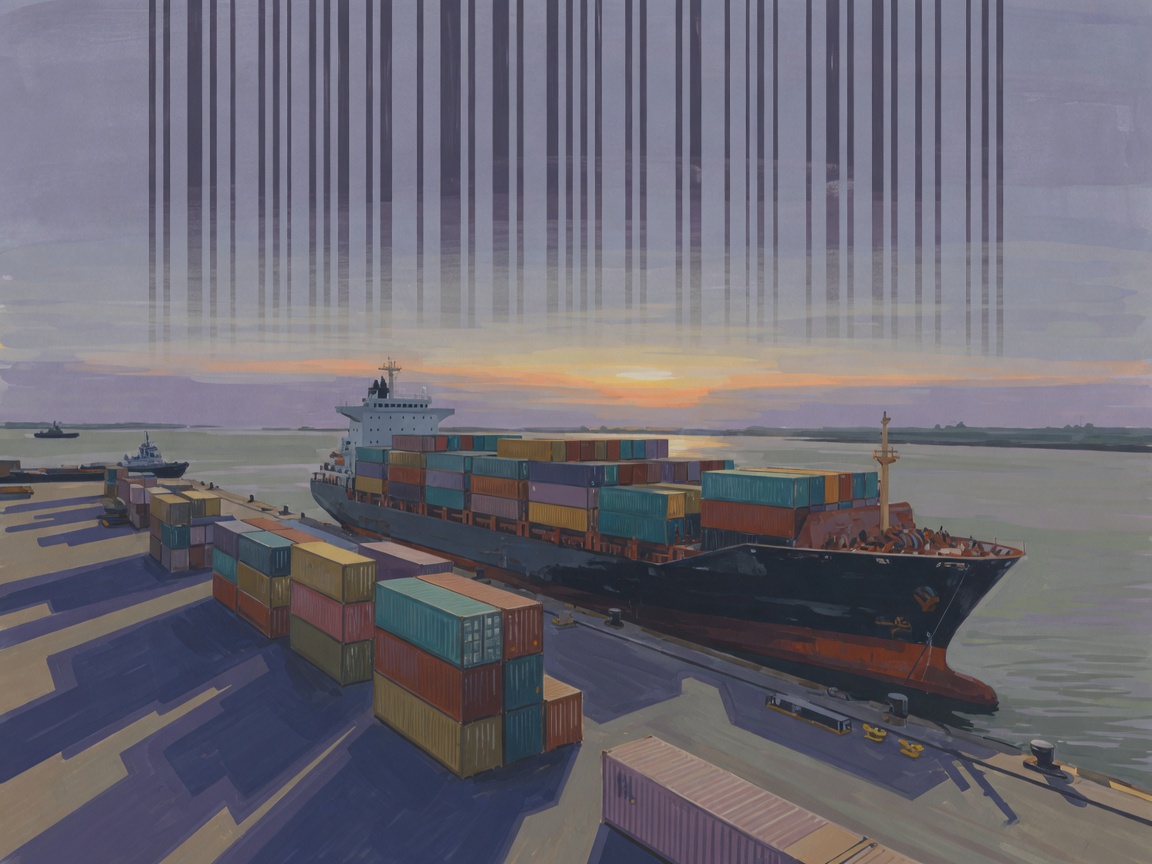
The Trump administration announced new tariffs ranging from 10% to 12.5% on imports from 60 countries, replacing temporary global duties that expire at 12:01 a.m. Friday and covering 99% of U.S. trade.
The legal basis matters. The duties, published in the Federal Register and detailed in a U.S. Trade Representative fact sheet Thursday, target countries the administration says failed to adequately enforce bans on goods produced by forced labor. The tariffs take effect under Section 301 of the Trade Act of 1974, which allows the president to impose import taxes against countries engaged in unjustifiable, unreasonable, or discriminatory trade practices. U.S. Trade Representative Jamieson Greer defended the move. “The United States has had a forced labor import ban for nearly a century, and rigorously enforces it; it’s well past time for our trading partners to do the same,” he said, according to NPR. Greer called the action a correction of “what is both a human rights abuse and distortive trade practice to improve the welfare of workers everywhere.”
The announcement marks the latest chapter in a trade war the president reignited after returning to office in January 2025. Trump originally imposed sweeping tariffs under the 1977 International Emergency Economic Powers Act, arguing that America’s trade deficit constituted a national emergency. The Supreme Court disagreed. The court ruled in February that IEEPA did not authorize tariffs, forcing the administration to refund importers who had paid them.
A legal pivot after court defeat
Hours after the court loss, Trump imposed a 10% worldwide tariff under Section 122 of the Trade Act of 1974. That provision came with a 150-day timer. The timer lapses Friday. The new Section 301 tariffs are designed to be more durable, having survived court challenges when Trump used them against China in his first term. Some products are exempt. Oil, gas, and fertilizer are spared from the new tariffs, as are goods that qualify for duty-free status under the U.S.-Mexico-Canada Agreement, the trade pact Trump negotiated during his first term. The new duties will not stack on top of existing Section 232 tariffs on steel and aluminum that Trump imposed last year on national-security grounds, a senior official told reporters on a call reported by CNBC.
The White House has also moved against specific trading partners in recent days. It imposed 25% tariffs on most imports from Brazil, effective Wednesday, and announced 50% tariffs on a wide range of Canadian goods, set to begin next month, according to CNBC and the BBC.
Human rights advocates see promise and pitfalls
Human rights organizations offered a measured response. Martina Vandenberg, founder and president of The Human Trafficking Legal Center, told NPR that her group has advocated for import bans for years as one tool against forced labor. But she expressed concern that the tariffs were not implemented in phases, saying countries need time to build enforcement mechanisms that are meaningful. “Our concern is that the import bans will be thin slips of paper with no enforcement,” she said.
The Uyghur Forced Labor Prevention Act, passed in 2021, was the most significant prior U.S. legislation on the issue, according to Kenya Davis, a partner at Boies Schiller Flexner. She told NPR the tariffs could bring greater awareness to forced labor. But she remained wary. Without transparency about investigations and aid programs for countries, she told NPR, she was cautious in her enthusiasm. Isabelle Glimcher, a senior research scientist at the NYU Stern Center for Human Rights, said one flaw is that the tariffs focus on goods countries import rather than goods they make domestically. The threat alone has had an effect. She said it has already spurred countries including India to amend trade policies, and that European Union forced labor regulations due next year are also contributing.
The International Labor Organization estimates that about 27.6 million people were in forced labor worldwide on any given day in 2021. The administration has framed its tariffs as a response to that crisis. A senior official told CNBC the action is “the most sweeping international labor rights action the United States has ever taken — that any country has ever taken.” More tariffs could follow. The USTR has launched a separate Section 301 probe into whether 16 economies, accounting for 70% of U.S. imports, have overproduced goods in ways that depress prices and disadvantage American companies. That investigation has not been completed. Greer told senators Wednesday that the administration will continue using tariffs and negotiating deals to support reindustrialization, protect workers, and shrink the trade deficit.
The political risk is real. Tariffs are paid by U.S. companies that import foreign products, and those businesses typically pass costs to consumers through higher prices. Americans are already frustrated by the cost of living. During a Senate exchange Wednesday, Democratic Senator Elizabeth Warren asked Greer whether tariffs had increased prices for American families. Greer said no, citing core inflation at 2.6% year on year, according to The Guardian. Overall inflation, however, remains slightly higher than when Joe Biden left office. Business groups and affected countries are expected to push back, with many trading partners already weighing legal challenges or retaliatory duties, the BBC reported.
Sources & methods
- NPR report on Trump's new double-digit tariffs on 60 countries, with quotes from USTR Greer, human rights advocates, and details on legal basis and exemptions Archived Jul 23, 2026
- The Guardian report on the tariff announcement, including Greer's Senate exchange with Senator Warren on inflation and prices Archived Jul 23, 2026
- BBC report on the tariffs targeting key economic partners including the UK, EU, Canada, Japan, and India, and expected pushback from trading partners Archived Jul 23, 2026
- CNBC report citing the Federal Register notice and USTR fact sheet, with details on 99.4% trade coverage, non-stacking with Section 232 duties, and Brazil and Canada tariffs Archived Jul 23, 2026
This article was assembled from four published reports from NPR, The Guardian, BBC, and CNBC, cross-referenced for factual consistency on tariff rates, legal mechanisms, country coverage, and quoted statements. All direct quotes are drawn verbatim from the source texts.