TSMC pledges additional $100 billion for Arizona production, raising US commitment to $265 billion
The Taiwanese chipmaker announced the expansion alongside a 77% surge in second-quarter net profit, as the Trump administration pushes to bring advanced semiconductor manufacturing to American soil.
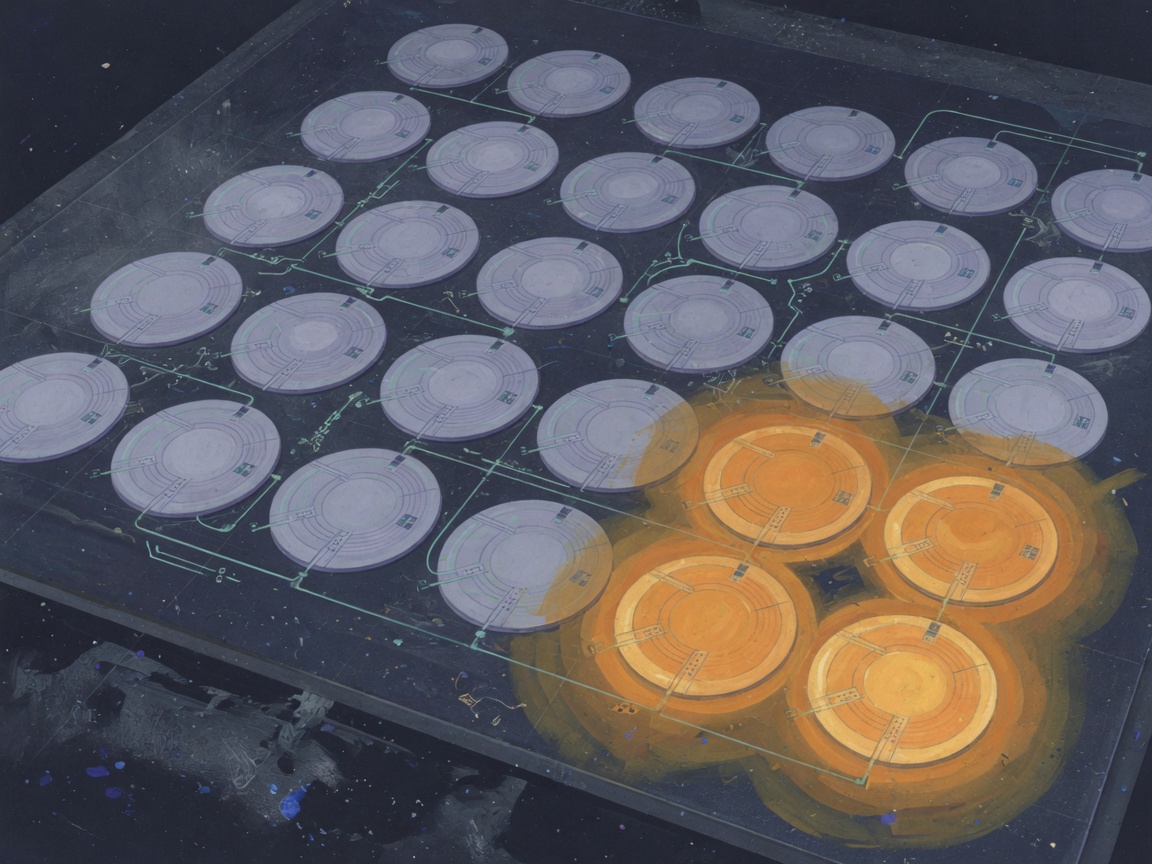
TSMC, the Taiwanese chipmaker that produces the world’s most advanced semiconductors, pledged an additional $100 billion to expand its manufacturing footprint in Arizona, raising its total American commitment to $265 billion.
The move is a boost for President Donald Trump’s drive to bring advanced manufacturing to the United States, and the Commerce Department said it will create tens of thousands of American jobs. The investment arrives as TSMC reports explosive financial growth driven by artificial intelligence demand, with second-quarter net profit jumping 77% to $22 billion from $12.4 billion in the same three months a year earlier, according to the BBC. The company surpassed analyst expectations on both revenue and net income, CNBC reported, continuing a streak of consecutive record-breaking milestones.
Chief executive CC Wei said the increase will likely see four new plants built in Arizona. He did not give a timeline, saying construction would depend on the market. The new plants would add to eight already being built or planned.
Wei said the investment will help foster the development of the US semiconductor industry, strengthen the supply chain, and support an increasing number of high-tech, high-paying jobs in the United States, the BBC reported. The new spending will fund several or more semiconductor logical wafer fabs for two-nanometer mass production technologies, as well as advanced packaging fabs to support strong multi-year demand from leading American customers, Wei told an earnings call reported by CNBC.
Record profits and rising demand
TSMC’s net income for the three months ended in June marked a record high for a fifth consecutive quarter, surging 23.4% from the prior quarter, CNBC reported. Revenue reached 1.27 trillion new Taiwan dollars, or $39.45 billion, a 36% jump from NT$933.79 billion a year ago. The figures beat estimates. Analysts had forecast NT$1.264 trillion in revenue and NT$632.64 billion in net income. TSMC posted NT$706.56 billion in net income instead.
Wei said AI-related demand remains extremely strong, CNBC reported. The company forecast third-quarter revenue between $44.6 billion and $45.8 billion, with an operating profit margin of 56% to 58%. CFO Wendell Huang said TSMC also raised its capital budget for the year to between $60 billion and $64 billion as it continues to invest heavily to support customers’ growth.
Advanced technologies, defined as seven-nanometer and smaller, accounted for 77% of total wafer revenue. Five-nanometer process technology made up 33% of second-quarter revenue, followed by three-nanometer at 30%, Huang said in the earnings call. For 2026 revenue by platform, high-performance computing accounted for 66%, smartphones 22%, and Internet of Things at five percent.
Political pressure and tariff deals
Trump has pushed to boost domestic semiconductor production since shortages during the Covid-19 pandemic exposed supply chain risks. Chips are found in machines ranging from cars to smartphones. He previously attributed TSMC’s decision last year to expand US investments to his threats of tariffs on Taiwan and on the global semiconductor business. In January, the US agreed to cut tariffs on goods from Taiwan to 15% in exchange for hundreds of billions of dollars in investment aimed at boosting domestic chip production, the BBC reported.
Commerce Secretary Howard Lutnick welcomed the plans. “President Trump’s leadership is driving companies to invest in American manufacturing,” Lutnick said, according to the BBC. “TSMC’s announcement of an additional $100 billion investment following our historic deal on trade and investment with Taiwan will create tens of thousands of American jobs and bring advanced semiconductor manufacturing back to America.”
Sravan Kundojjala, an analyst at SemiAnalysis, told CNBC that TSMC holds considerable pricing power but is exercising it selectively. “Net, they have far more pricing power than they are currently exercising,” Kundojjala said. The chipmaker is capturing more value through selective price increases while remaining deliberate rather than opportunistic, keeping margins healthy without squeezing customers, he added.
Kundojjala also noted that the memory boom is now squeezing TSMC’s non-AI business. Consumer and price-sensitive end markets took a hit from rising memory prices and tight component supply, he told CNBC. The broader memory chip sector has seen demand boom in recent years as its products power AI data centres and smart devices, the BBC reported.
Strong demand for TSMC’s chips has made it Asia’s most valuable company. Its share price has risen more than 55% this year, giving it a stock market valuation of around $2 trillion, the BBC reported. CNBC put the year-to-date gain at over 58%, with shares adding 1.23% on the day of the earnings report. TSMC manufactures chips for global technology giants including Nvidia, Apple, and Broadcom.
Sources & methods
- BBC News article on TSMC's $100 billion Arizona investment pledge and 77% quarterly profit jump, including quotes from CEO CC Wei and Commerce Secretary Howard Lutnick Archived Jul 16, 2026
- CNBC article with detailed TSMC second-quarter financial results against analyst estimates, Wei's earnings call remarks on two-nanometer production, CFO Wendell Huang's capital budget figures, and SemiAnalysis analyst Sravan Kundojjala's commentary on pricing power and memory market pressures Archived Jul 16, 2026
Compiled from BBC and CNBC reporting on TSMC’s earnings call and Commerce Department statements, cross-referencing financial figures and executive quotes across both outlets.