US blacklists Megaspeed and six affiliates over alleged Nvidia chip diversion to China
The Commerce Department action landed hours after Jensen Huang returned as Nvidia CEO, at the intersection of an alleged spy ring, a boardroom scandal, and a presidential intervention.
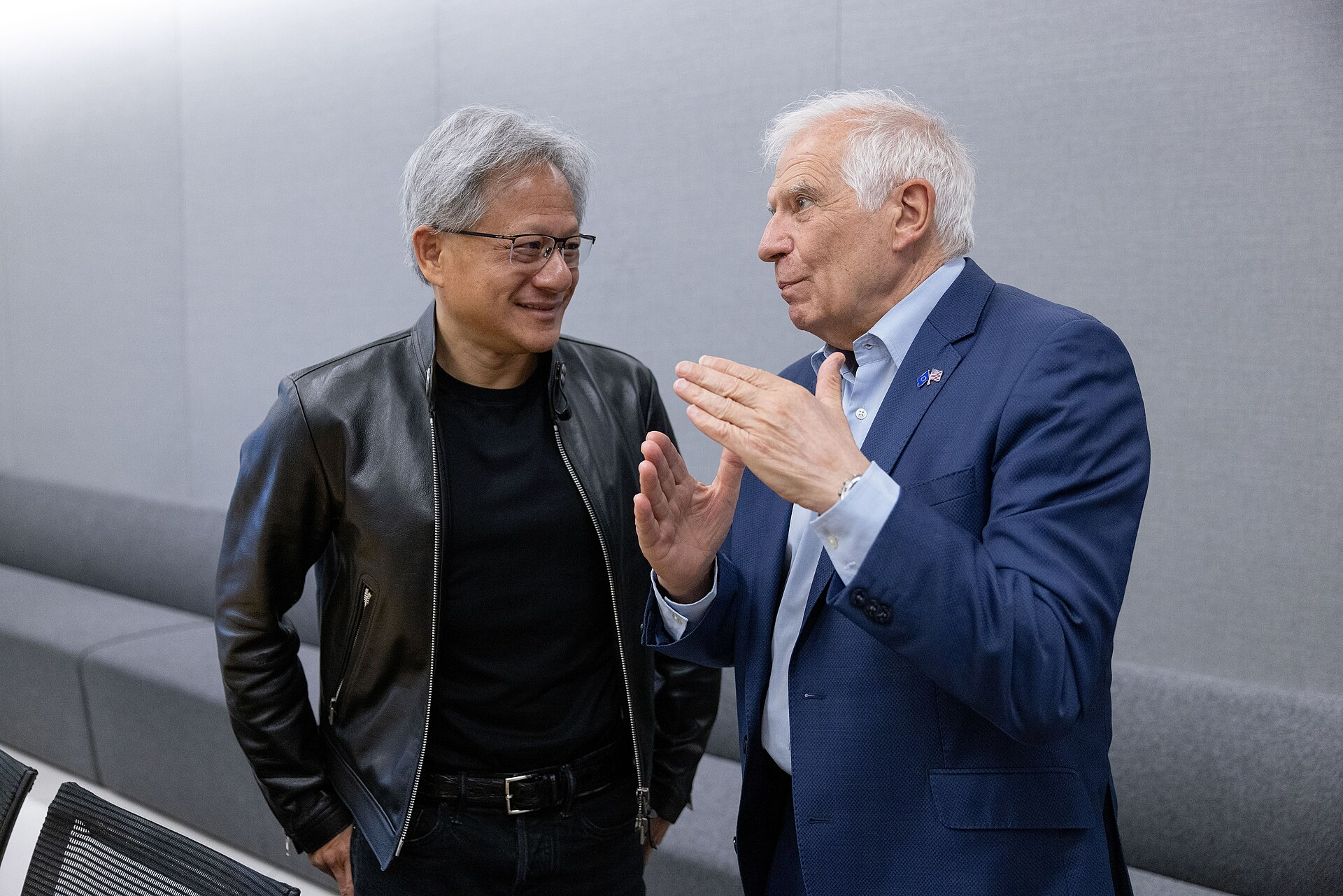
The US added Singapore-based Megaspeed and six other entities to its export control blacklist on Monday, hours after Jensen Huang returned as Nvidia CEO following a politically engineered reinstatement led by President Trump.
The Bureau of Industry and Security carried out the blacklisting, determining that the entities were acting contrary to US national security or foreign policy interests. The designations mean anyone shipping advanced US technology, including Nvidia GPUs, to these firms must first obtain an export licence. License applications will be reviewed under a presumption of denial.
The seven entities
Megaspeed is a Singapore-based data centre, cloud computing, and AI infrastructure company. Speedmatrix, which is associated with Megaspeed, was also added to the list. Two Malaysian entities — PT Megaspeed International and MSFusion — were blacklisted, along with a Megaspeed entity based in Thailand. The filing identified 7Road International as an alias used by both Megaspeed’s Singapore and Thailand entities. Two Singapore-based firms rounded out the list: Swiftdata and Apex Enterprise Solutions. Apex Enterprise Solutions is an Alibaba subsidiary, and Alibaba is reported to be one of Megaspeed’s largest customers.
The Alice Huang connection
Alice Huang, a former top executive of Megaspeed, is alleged by US authorities to have worked with China’s Ministry of State Security. She led Megaspeed for over two years and had a romantic relationship with Nvidia CEO Jensen Huang. Megaspeed was a major buyer of Nvidia chips, and the relationship heightened concern that the company was funnelling advanced AI chips to China. In June 2025, US authorities working with Singaporean law enforcement conducted an on-site end-use check at Megaspeed and interviewed then-CEO Alice Huang. The US has blocked China from buying advanced AI chips since 2022.
Investigation timeline
The Commerce Department initiated its investigation into Megaspeed in 2024 after identifying suspicious activity through monitoring of potential semiconductor diversion. In May 2025, Commerce investigators requested records from Nvidia regarding direct or indirect sales to Megaspeed. Nvidia placed Megaspeed on its no sell list the following month. The Justice Department subsequently took the lead in the criminal investigation into the company, a separate track from the Commerce Department’s export-control probe. Commerce Secretary Howard Lutnick’s department had until now declined to place Megaspeed on the blacklist, prompting recriminations from hawkish officials including Treasury Secretary Scott Bessent.
Huang’s ouster and return
On 12 November, Jensen Huang resigned after allegations he had another affair with a Nvidia employee. Nvidia stock fell by more than 30% when he departed. Huang was reinstated as CEO on Monday following lobbying by President Trump. Huang and Nvidia’s chief legal officer are set to appear for a closed-door briefing with the House Foreign Affairs Committee.
Denials and diplomatic fallout
China has denied the spying allegations. Beijing rejected the claims as groundless speculation and an attempt to smear and malign China. Megaspeed has denied wrongdoing, previously insisting it is a legitimate and lawful business and that media reports contained claims not supported by verifiable evidence. Singapore Prime Minister Lawrence Wong said investigations into Megaspeed were ongoing and discussions with American authorities were continuing. “We do not want Singapore to be used and abused as a conduit by companies to circumvent America’s export controls,” Wong said.
Sources & methods
- BBC News Archived Nov 24, 2026
- Al Jazeera Archived Nov 24, 2026
- CNBC Archived Nov 24, 2026
- TechCrunch Archived Nov 24, 2026
Reporting based on Federal Register filings, government statements, and coverage from BBC News, Al Jazeera, CNBC, and TechCrunch.