US jury convicts Huawei on 10 of 12 counts but acquits the company of racketeering conspiracy
The split verdict in Brooklyn federal court ends a trial lasting more than two months and leaves Huawei facing sentencing in September 2027.
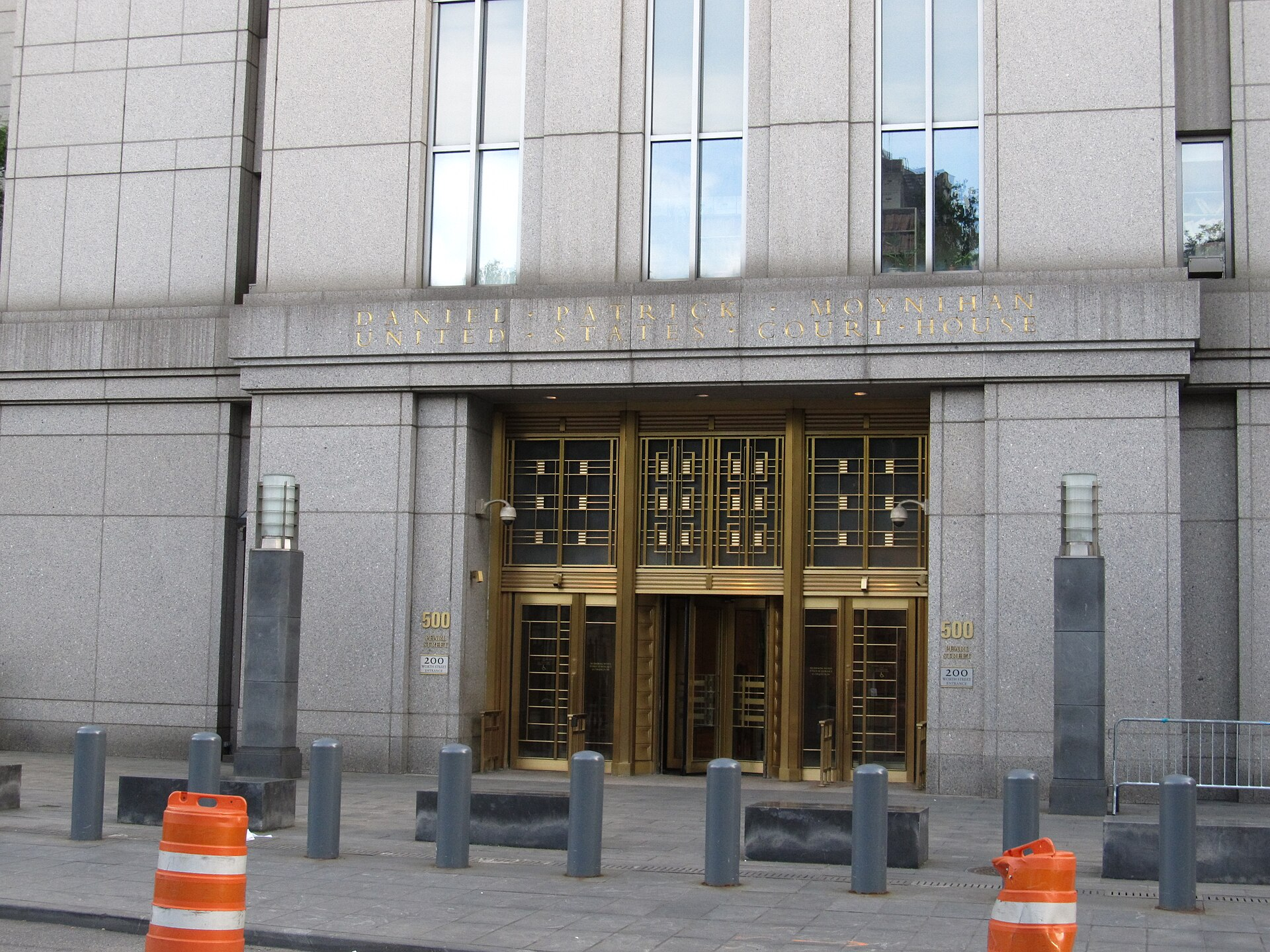
A federal jury in Brooklyn found Huawei guilty of 10 of 12 criminal counts, including conspiracy to steal trade secrets and bank fraud, but acquitted the Chinese telecom giant of racketeering conspiracy after a trial that lasted more than two months.
The split verdict caps a proceeding in Brooklyn federal court. Sentencing is scheduled for September 14th, 2027. Defence attorney Brian Heberlig said Huawei plans to appeal the convictions.
Prosecutors painted a 20-year pattern of theft and deception
Prosecutors argued Huawei spent roughly 20 years doing whatever it took to expand its business, including lying to banks about its dealings in Iran and stealing technology from rival firms. The company was accused of stealing technology from T-Mobile, Cisco Systems, Motorola, Quintel, and CNEX. Jurors watched a video that, according to prosecutors, showed a Huawei employee slipping a piece of a T-Mobile testing robot into his backpack. The 2018 indictment alleged Huawei misled HSBC, Standard Chartered, and BNP Paribas about its business dealings in Iran. Prosecutors called more than 60 witnesses over the course of the trial.
Defence called the case cherry-picked
The defence argued Huawei succeeded through hard work, innovation, and investment in research and development. Heberlig accused prosecutors of cherry-picking a handful of disparate incidents to support their claim of a 20-year conspiracy. The defence also argued that HSBC and the other banks knew about Huawei’s business in Iran and were competing for Huawei’s business. In total, the defence called 15 witnesses.
A split verdict on the counts
Huawei and three affiliates faced 12 charges total. The jury found Huawei guilty of conspiracy to steal trade secrets, bank fraud, conspiracy to violate US sanctions, money laundering, wire fraud, and conspiracy to defraud the US. The company was acquitted of racketeering conspiracy and obstruction of justice.
Both sides claimed vindication
Heberlig said the racketeering acquittal was vindication and that he had mixed emotions about the rest of the verdict. “The RICO count that alleged that Huawei was a corrupt organisation, with a corporate culture and policy of committing crime. That was, in our view, a significant overreach, and the jury soundly rejected it,” he said. The DOJ’s Tysen A. Duva said Huawei built its global empire on fraud, theft, and deception. A Huawei spokesperson told NBC News the charges are without legal or factual merit.
Years of pressure preceding the trial
The criminal case began in 2018 and 2019, following the December 2018 arrest of Meng Wanzhou in Canada on a US warrant. Meng is Huawei’s CFO and daughter of the company’s founder. She fought extradition for nearly three years before entering a deferred prosecution agreement and returning to China, after which charges against her were dropped. As part of that agreement, Meng admitted to misleading banks over Huawei’s operations in Iran. The US government blacklisted Huawei in 2019 over national security concerns. The company has also been blacklisted by the United Kingdom and Canada.
Huawei has more than 200,000 employees and operates in approximately 170 countries. Experts say the case has not undermined Huawei’s business, as the company diversified and emerged as a key player in China’s push for artificial intelligence.
Sources & methods
- BBC News report on the Huawei verdict Archived Nov 25, 2026
- Al Jazeera report on the Huawei trial and verdict Archived Nov 25, 2026
- The Verge report, citing NBC News and Bloomberg, on the Huawei guilty verdict Archived Nov 25, 2026
Reported from three published sources. BBC News, Al Jazeera, and The Verge each covered the Huawei trial verdict in Brooklyn federal court, with The Verge citing earlier reporting by NBC News and Bloomberg. Facts appearing in two or more sources are treated as corroborated. Single-source claims are attributed accordingly. Direct quotes reproduce the source texts verbatim.