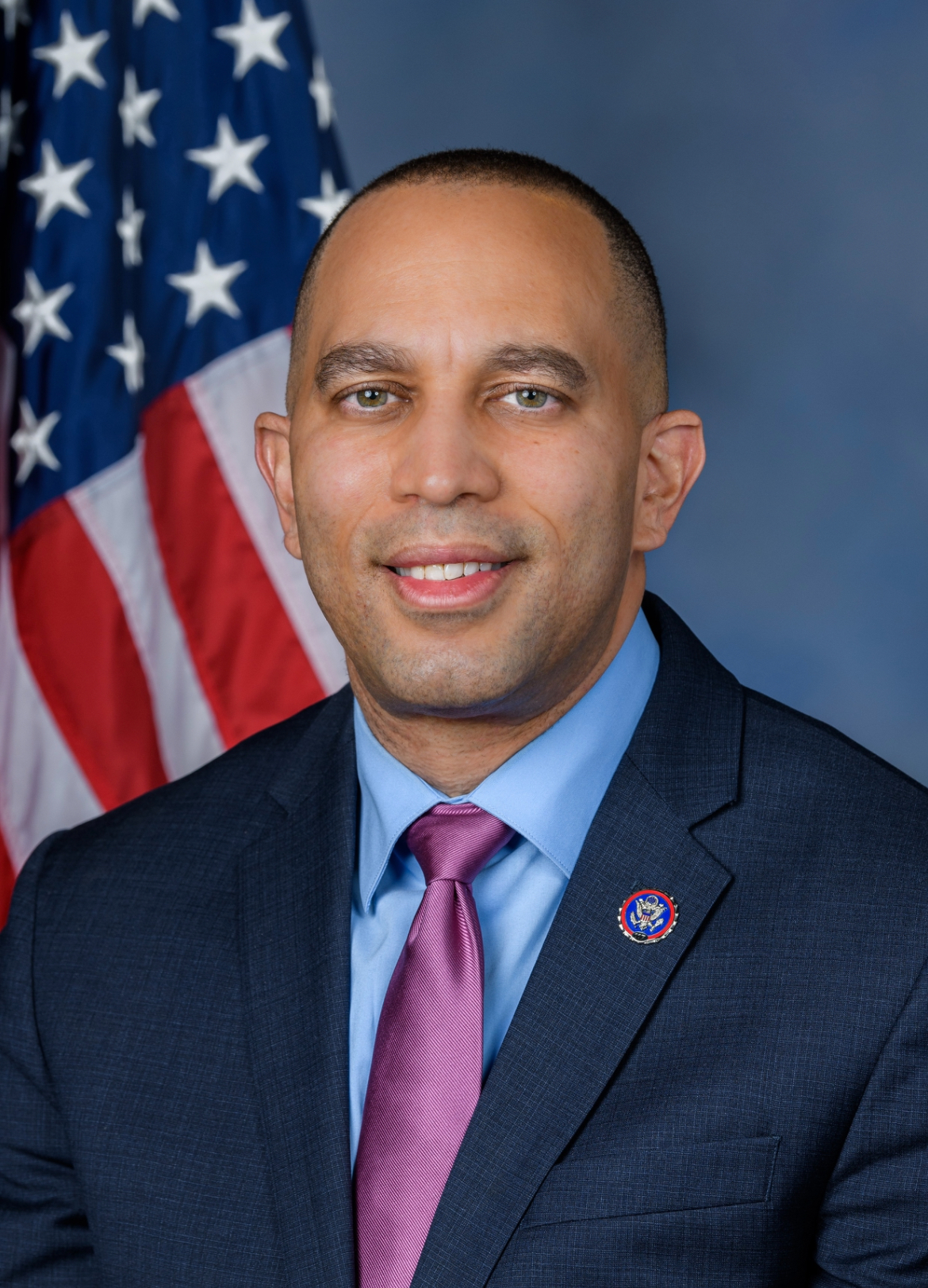
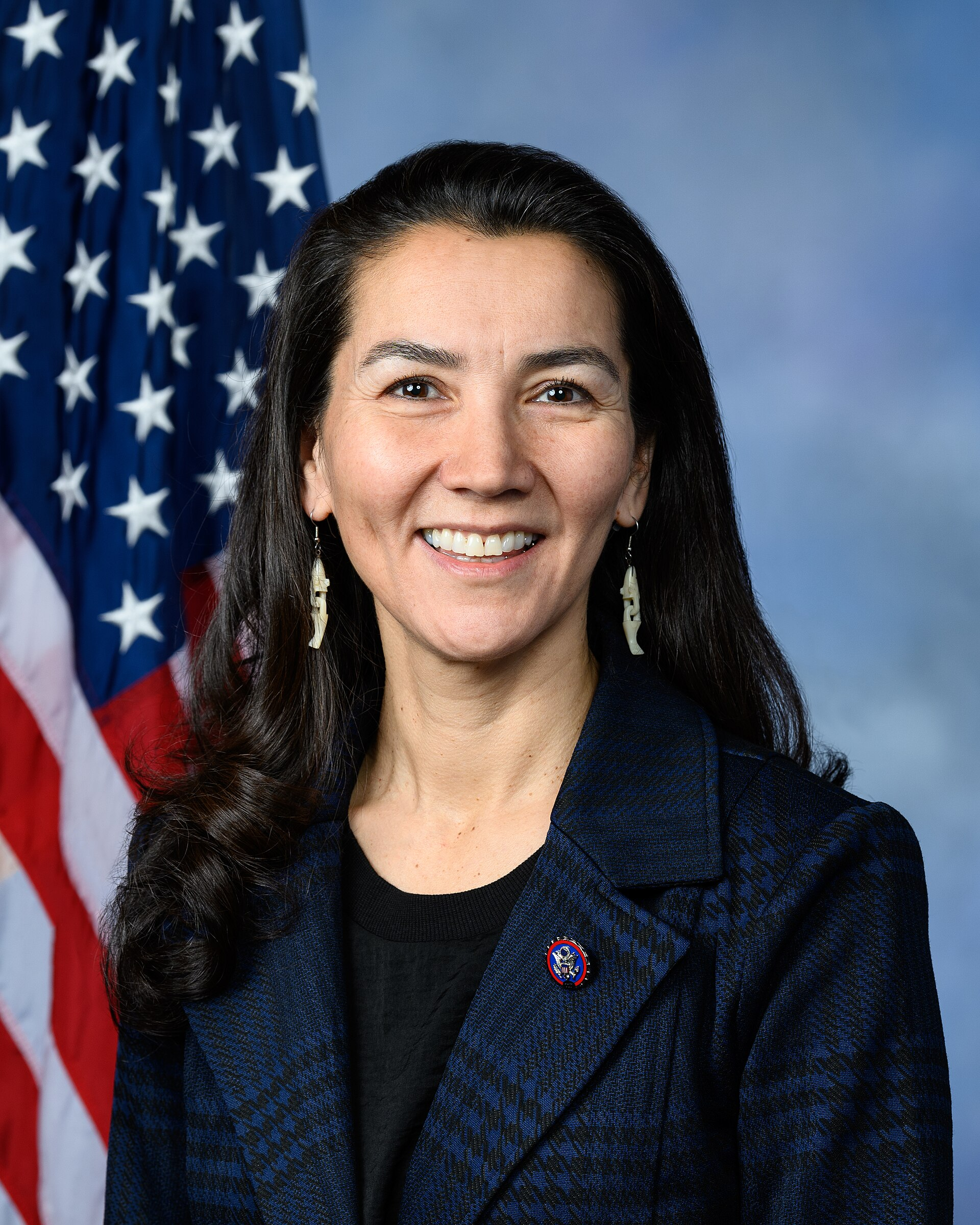
China confirms first-ever Xi-Trump-Putin summit for Thursday in Shenzhen, with low expectations for concrete outcomes
The trilateral meeting pairs a U.S. push for nuclear non-proliferation talks, a Russian drive to advance Ukraine war diplomacy, and a Chinese interest in the optics of hosting both rivals.
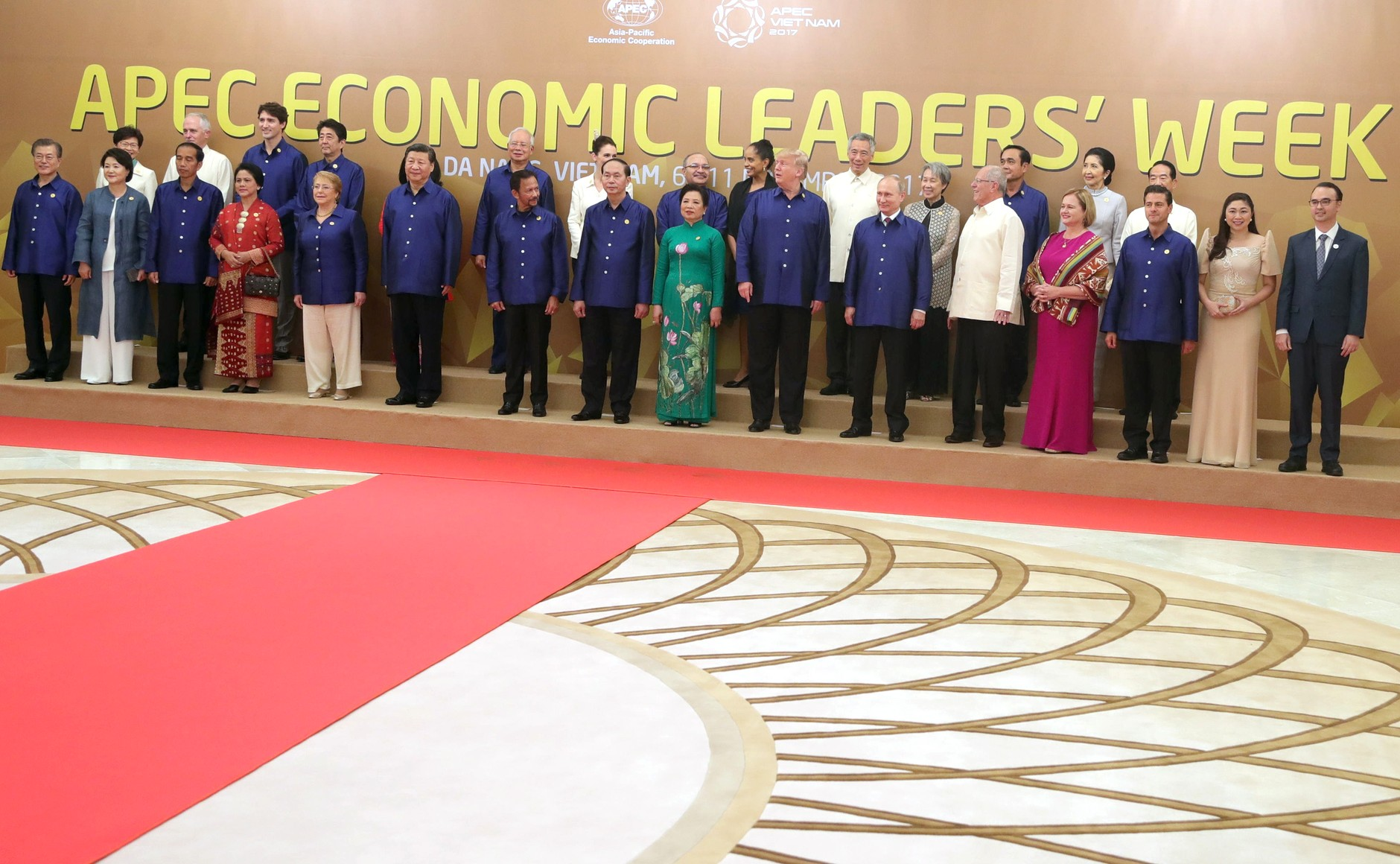
China’s Foreign Ministry confirmed Monday that President Xi Jinping will meet with Russian President Vladimir Putin and U.S. President Donald Trump in Shenzhen on Thursday, setting up the first-ever gathering of the three leaders on the sidelines of the APEC meeting.
Trump has departed Washington, D.C. for a four-day trip to Asia. He will first attend the ASEAN summit in Manila before arriving in China. China’s confirmation followed announcements from Moscow and the White House, with the Wall Street Journal having reported last month that Putin proposed the three-way sit-down.
Nuclear talks the U.S. wants, China does not
The White House expects Trump to discuss nuclear weapons reduction with Xi and Putin. Olivia Wales, a White House spokeswoman, told reporters on a briefing call that Trump will discuss the reduction of nuclear weapons in the world, whose proliferation he believes is very dangerous. A White House official called the trilateral an “entry point” for the three countries to talk about reducing nuclear weapons stock. But China has no interest in engaging in nuclear disarmament talks until it achieves parity with the U.S. in about 10 years, per David Roche of Quantum Strategy. “The Chinese strongly disagree with the idea that they should be involved in any kind of trilateral discussions with the United States and Russia on nuclear weapons,” said Edgard Kagan, a senior adviser at the Center for Strategic and International Studies.
Kagan said China wants to avoid the topic because it does not want to be locked into a subservient position or create a precedent, noting that if nuclear issues are discussed in a meeting, it becomes much harder for Beijing to refuse future discussions. Xi has met Trump three times since October last year and more than 40 times with Putin since becoming president in 2013. Trump and Putin last met in person in August 2025, when Putin visited Alaska.
Ukraine: Moscow’s agenda, not Trump’s
Putin proposed the three-way sit-down to negotiate an end to the war in Ukraine, per the Wall Street Journal. Russian presidential aide Yuri Ushakov said last week that the talks in Shenzhen would continue diplomatic efforts aimed at reaching a negotiated settlement to the Ukraine war, according to Russia Today. The White House, however, does not expect Trump to raise Ukraine in the trilateral, and there is no plan for a separate Putin-Trump bilateral. Trump said last month he was fine with Ukrainian President Volodymyr Zelenskyy not being present at a potential meeting with Putin about the war. U.S. envoys Jared Kushner and Steve Witkoff met Putin in Moscow last week, where Putin told them Europe should “figure out” whether “they want peace or war.” That meeting came a day after an earlier round of Ukraine talks wrapped up in Abu Dhabi.
Trade truce under strain
A U.S.-China trade truce established at last year’s APEC summit in Busan, South Korea — where the U.S. lowered some tariffs and China agreed to loosen rare earth exports — expires in January. A White House official said the U.S. isn’t getting rare earths from China at the pace or level they’d like. Beijing’s exports to Washington have recorded double-digit growth for most of this year from last year’s low base. The truce may also be renewed at the G20 summit Trump is hosting in Miami later this year, per Kurt Tong, managing partner at The Asia Group. “There’s friction in this truce,” Tong said. “It’s not smooth, but it’s basically functional.”
Low expectations, high symbolism
A White House official was blunt about the prospects for the summit. “We do not expect to get to any kind of agreement,” the official said. The imagery of three leaders together is seen as significant in itself. “That picture alone is going to be worth well over a thousand words,” Kagan said. “For Xi, just the ability to bring Putin and Trump to the table, a first among equals scenario, will deliver much of the political benefit even before the discussions begin,” said Peter Alexander, Shanghai-based managing director at Z-Ben Advisors. “Xi may be inclined to do Putin a favor by showing up, given close strategic ties,” said Neo Wang, chief China strategist at Evercore ISI. Trump’s Republican Party suffered a dramatic defeat in the recent midterm elections, weakening his political standing. Trump has made friendlier moves toward Russia, including a deal to release more Russian oil into the market.
A crowded itinerary
In Manila, Trump will meet with the other leaders of the Quad nations — India, Japan, and Australia. “I think it’s quite significant symbolically and politically that the U.S., Australia, Japan and India, the major democracies of Asia and the Pacific, get together,” Tong said, adding that it is especially significant they are doing it just before the meetings in China. Elon Musk is joining Trump in Shenzhen. The Nvidia and Jensen Huang scandal is not expected to be raised by Trump with Xi.
Sources & methods
- NPR report on Trump's Asia trip and the Xi-Trump-Putin summit Archived Nov 16, 2026
- CNBC report on China's confirmation of the trilateral summit and agenda disputes Archived Nov 16, 2026
This article draws on reporting from NPR and CNBC, including statements from White House officials, analysts, and foreign governments. Quotes are reproduced as recorded in the source materials.