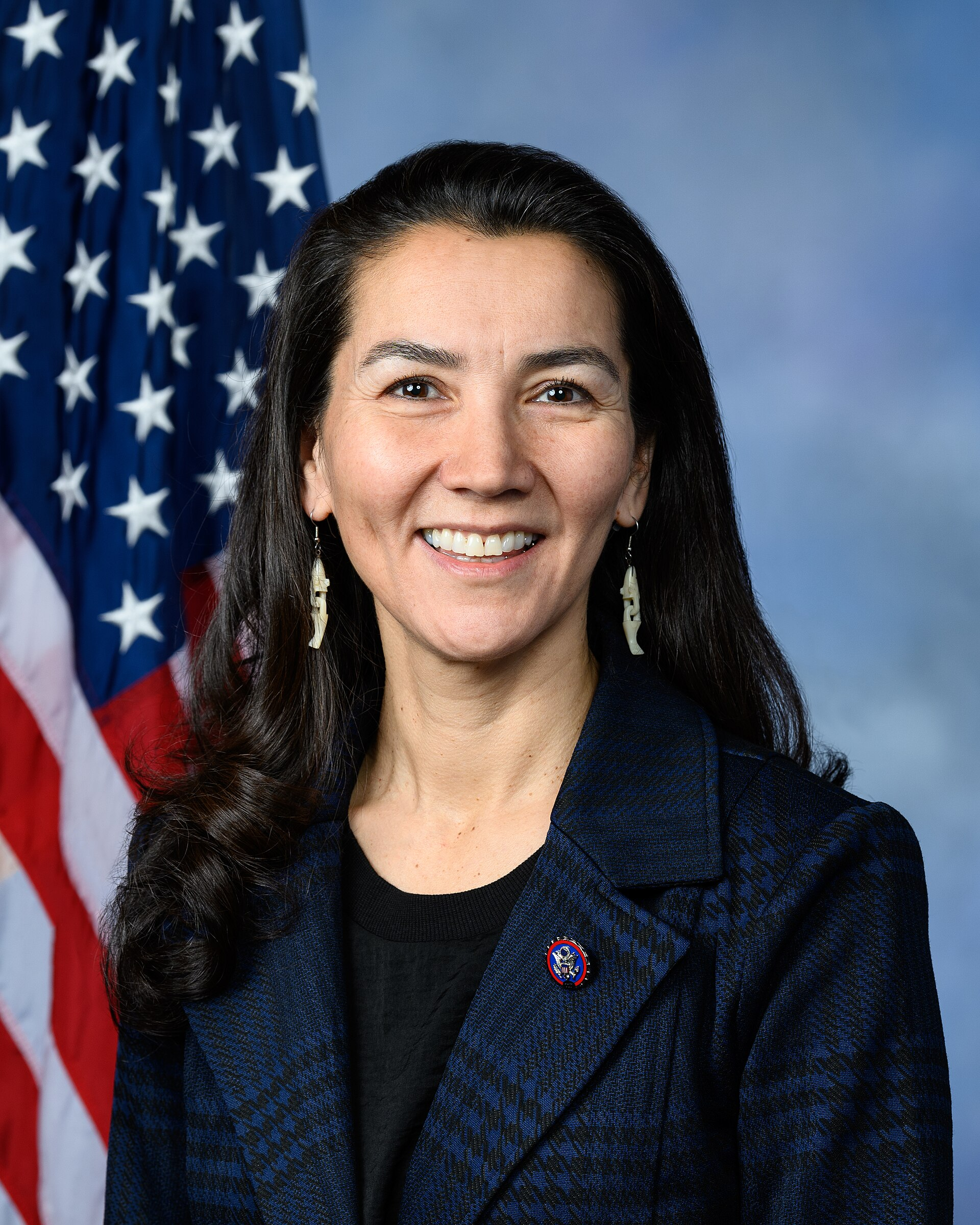
Democrat Mary Peltola wins Alaska Senate race, giving Democrats 56-seat majority
Peltola’s victory over Republican incumbent Dan Sullivan caps a midterm wave that handed Democrats control of Congress.
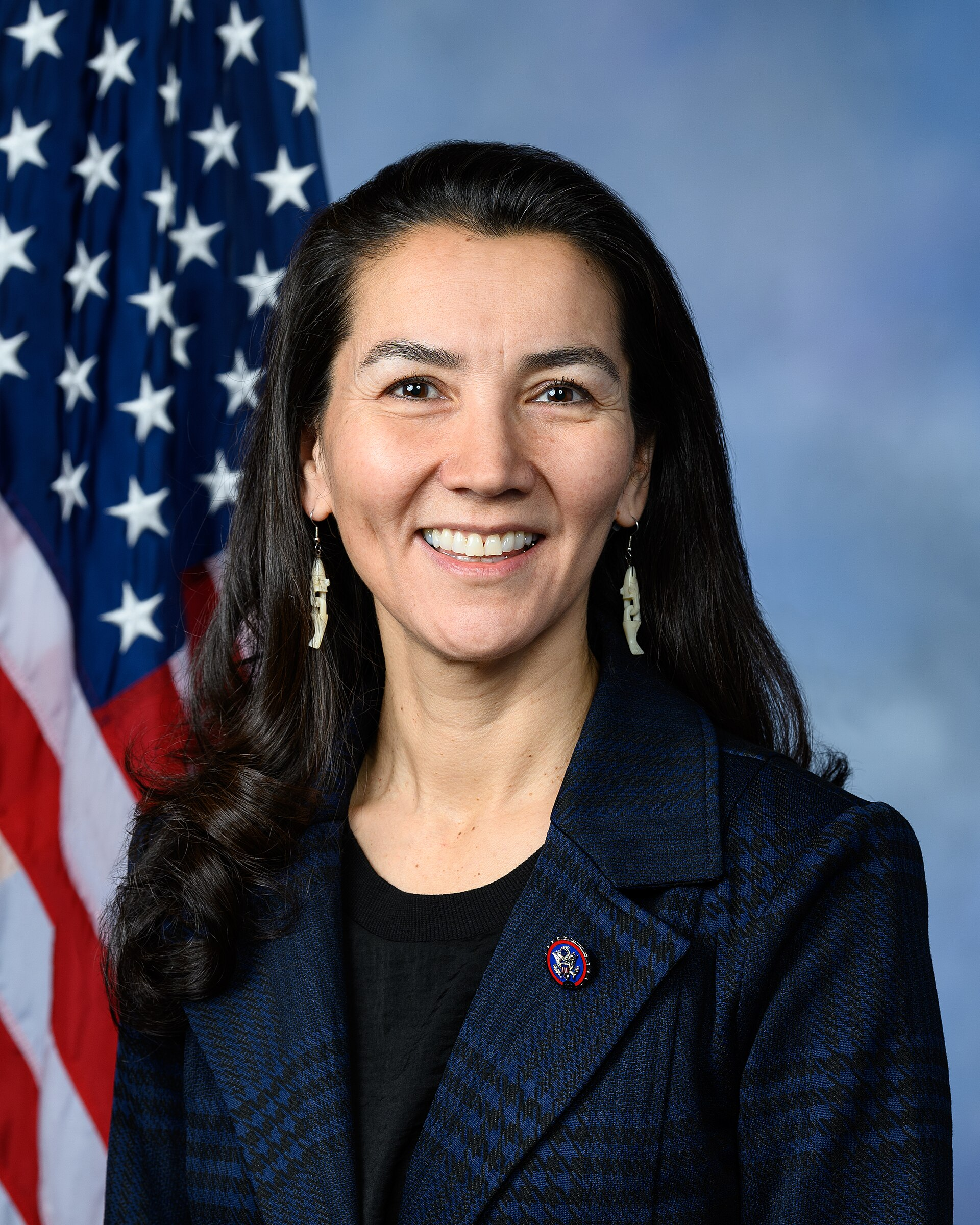
Democrat Mary Peltola defeated Republican incumbent Dan Sullivan in Alaska’s U.S. Senate race, a contest called two weeks after Election Day on 3 November as officials worked through the logistical challenge of collecting ballots from across the state’s remote expanse. Democrats now hold 56 Senate seats.
Peltola’s win — the last Senate race called in the midterms — was the ninth seat Democrats flipped from Republicans this cycle, giving the party control of Congress for the final two years of Donald Trump’s presidency. The party also took back the House of Representatives. Democrats flipped Senate seats in South Carolina, Texas, Kansas, and Mississippi, making this one of the party’s best midterm cycles in more than a half-century.
With 99% of ballots counted, Peltola had 50.1% of the vote to Sullivan’s 45.8%, according to the Associated Press. Because Peltola won a majority of first-place votes, no ranked-choice calculation was needed. Alaska uses ranked-choice voting, with the top four candidates from the nonpartisan primary advancing to the general election. Gerald Heikes, another Republican, received 2.1%. The second Dan Sullivan received between 1.6% and 1.7%.
A historic first for Alaska
Peltola will be the first Alaska Native to serve in the U.S. Senate. She is Yup’ik. She is the first Democrat to win a Senate race in Alaska since 2008. A former U.S. House member, Peltola rose to prominence in 2022 when she won a special election to replace longtime Republican congressman Don Young following his death, becoming the first Alaska Native elected to Congress. She won a full term later that year but lost re-election to Republican Nick Begich in 2024. Peltola is from Bethel, a western Alaska hub city of about 7,000 people that is not connected to the state’s limited road system, and she grew up in small communities along the Kuskokwim River in Alaska’s interior. In the Senate, she will join Peggy Flanagan as the first two Native American women elected to the chamber. Flanagan, a member of the White Earth band of Ojibwe, won her race in Minnesota.
The second Sullivan and the spoiler fight
The New York Times reported that Peltola’s campaign was involved in efforts to recruit another candidate named Dan Sullivan to siphon votes from the incumbent. Peltola’s campaign denied involvement. Alaska’s supreme court ruled in June that the second Sullivan could appear on the ballot. The Justice Department is conducting a criminal investigation into the second Sullivan’s decision to enter the race, and Alaska’s governor ordered a separate investigation. Alaska’s top federal prosecutor announced that criminal and civil inquiries were under way. Super PACs aligned with both parties spent more than $2 million on ballot composition efforts in Alaska this year. BBC Verify found that even if every vote for the other Sullivan had gone to the incumbent, Peltola would still have won. Preliminary results showed Peltola had more votes than the other three candidates combined.
The lawsuit to block certification
The Trump administration filed a lawsuit seeking to block certification of the election results if the incumbent Sullivan lost. A federal judge dismissed the lawsuit. The judge concluded that a court order blocking certification would “clearly violate” Alaskan voters’ right to a secret ballot. The Justice Department is appealing the dismissal.
Sullivan and the Trump drag
Sullivan is a Republican incumbent first elected to the Senate in 2014, a Marine Corps veteran and former Alaska attorney general who is described as an ally of Trump. The president held a rally in Wasilla to boost Sullivan’s candidacy, but Trump won Alaska by 13 percentage points in 2024 and carried the state in each of the last three presidential elections. Trump’s approval ratings in Alaska and nationally have plunged since 2024, driven by opposition to the Iran war and frustration over high prices. Gas prices in some interior Alaska communities jumped into double digits per gallon due to the Iran war’s effect on oil prices. Peltola’s fortunes rose as Alaskans grew frustrated with price increases brought on by Trump’s tariffs and his decision to attack Iran.
Peltola’s campaign
Peltola’s campaign slogan was “fish, family, freedom.” She campaigned on affordability, healthcare costs, and accusing Republicans of corruption. She spoke about the salmon crisis on the Yukon and Kuskokwim rivers and pitched herself as the candidate who would crack down on industrial-scale pollock fishing in the Bering Sea, which Alaskans increasingly blame for catching and wasting salmon, halibut, and other species. She addressed bycatch, the accidental fishing of unwanted species. The Guardian reported that she cast herself as an advocate for expanding oil production in Alaska. She promised Alaskans a more independent voice in Washington. Sullivan campaigned on his record of delivering energy and military investment for the state.
“Over the course of this campaign I’ve spoken with elders in tears about empty fish racks; families struggling to find housing they can afford; and parents in the Bush faced with the impossible choice of heating their homes or putting food on the table,” Peltola said. “Today we take a monumental step forward in addressing those issues and putting Alaska first.”
Sources & methods
- BBC News, "Democrats win Alaska Senate race two weeks after midterms counting began"
- NPR, "Mary Peltola flips Alaska's Senate seat into Democrats' column" Archived Nov 18, 2026
- The Guardian, "Mary Peltola beats Republican Dan Sullivan in Alaska to give Democrats 56 Senate seats" Archived Nov 18, 2026
- CNBC, "Democrat Mary Peltola wins Alaska Senate election" Archived Nov 18, 2026
Reporting drawn from four published accounts of the Alaska Senate race and its aftermath, cross-referenced for vote totals, biographical details, legal proceedings, and campaign themes. Disputed figures noted with ranges where sources differ.