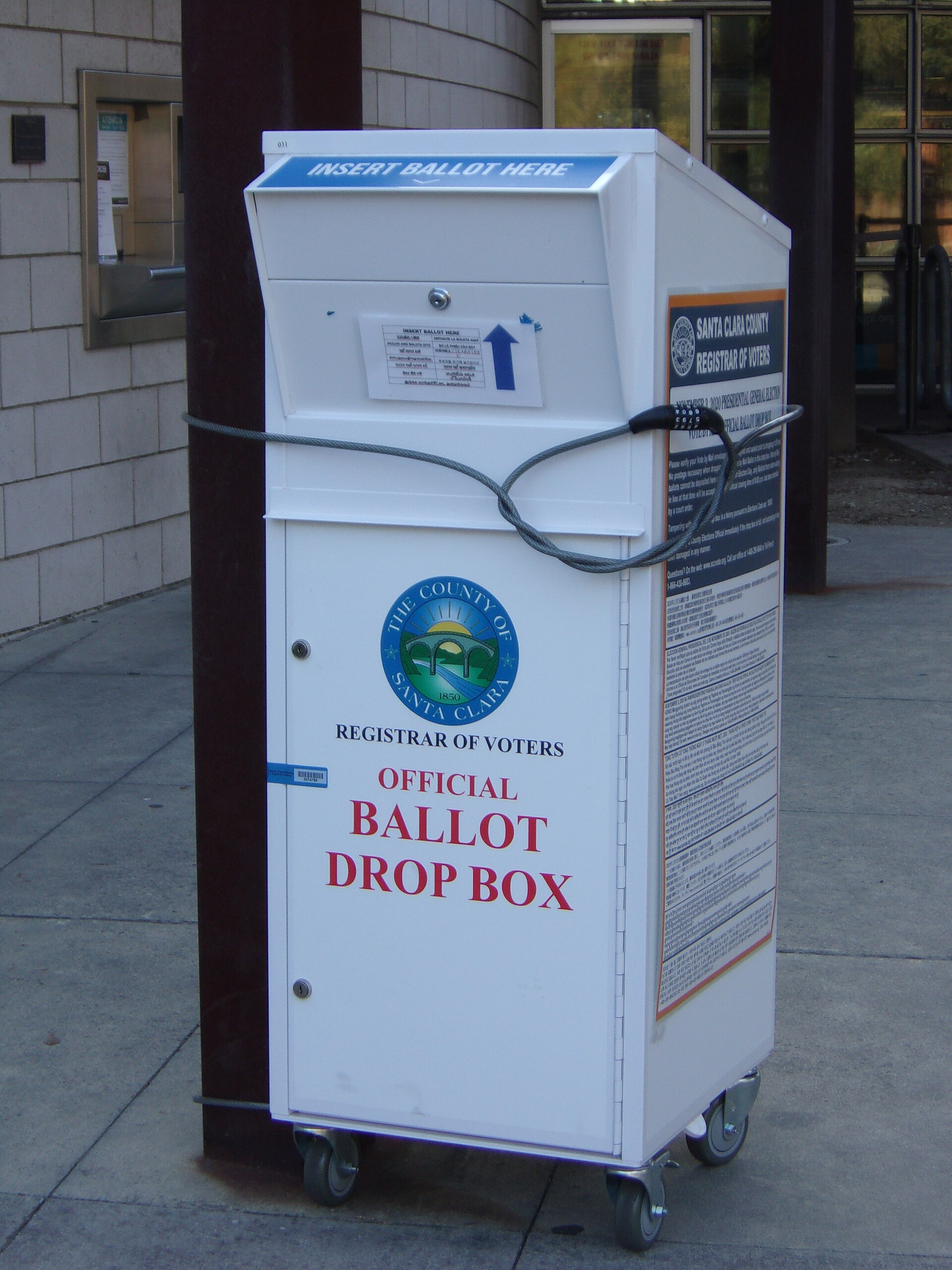
A federal judge denies the Justice Department’s unprecedented bid to force California to set aside ballots from suspected non-citizens ahead of the midterms
Judge David Carter called the move historically unprecedented, but the DOJ filed an immediate appeal and the case remains ongoing.
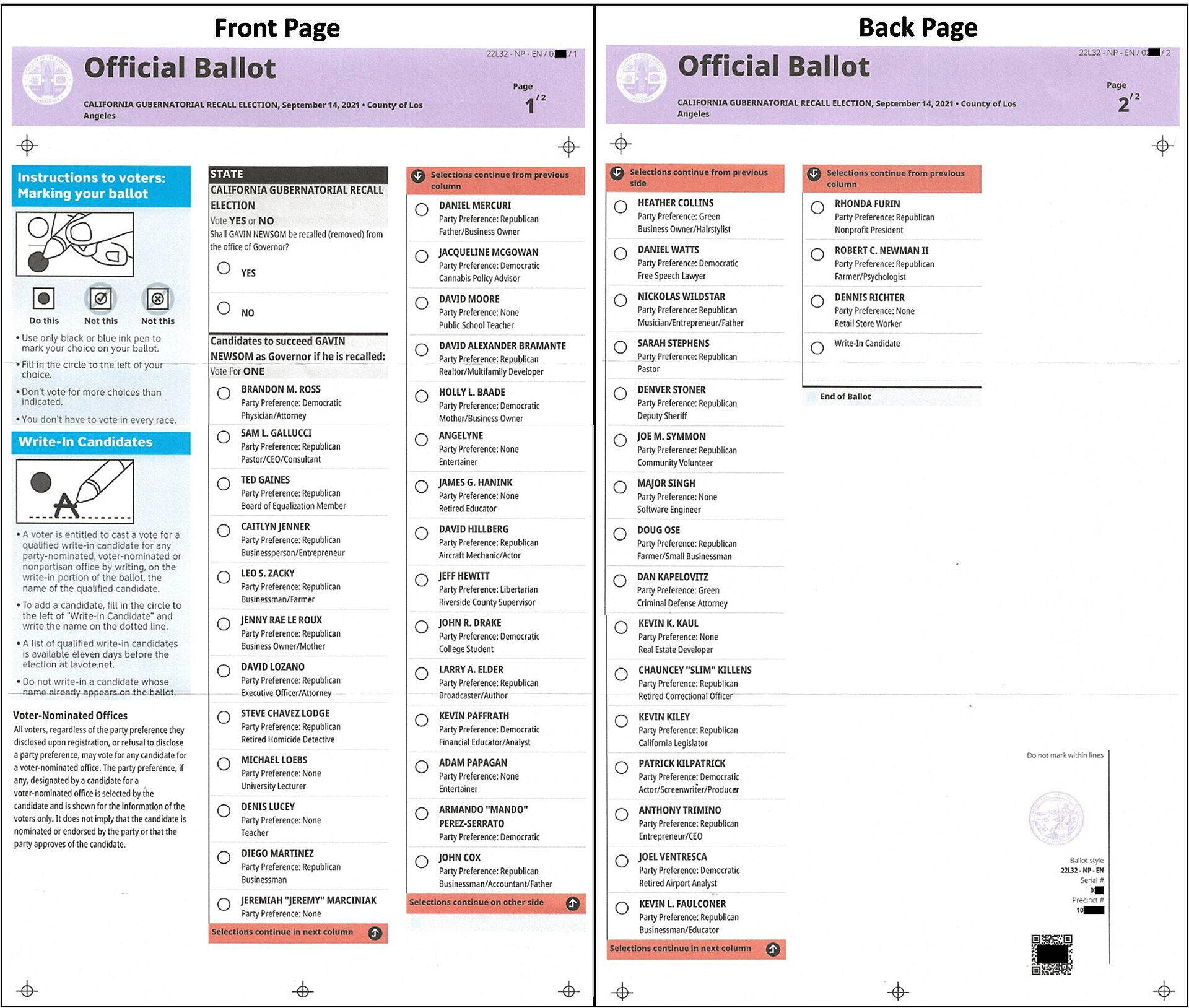
U.S. District Judge David Carter, a Clinton appointee, denied the Justice Department’s emergency request to force California to segregate ballots from 20,000 individuals it claimed were likely non-citizens. The ruling came Wednesday evening, days before the midterm elections.
The DOJ filed a notice of appeal. The department sued California on October 15. Earlier in the week, a 9th Circuit panel ruled 2-1 against the DOJ after it tried to bypass Carter entirely, arguing he was not moving the case fast enough. The case remains ongoing and could reach the U.S. Supreme Court.
Carter’s ruling ran 26 pages. He wrote that never before in American history has the federal government, on the eve of an election, sought to coerce a state to abandon its own constitutional election procedures and bend to the will of the Executive Branch. A ballot segregated, he wrote, would in effect be a ballot removed. Carter wrote that granting the DOJ’s request would likely violate a 1993 law requiring states to strike ineligible voters no later than 90 days before an election. The Executive would have the Court believe it reigns as a sole sovereign, he wrote, but California and its people are sovereign too. “Once a vote is segregated, lasting harm has occurred,” Carter wrote. “If the Executive can discount votes and threaten an ongoing election due to unproven allegations, then our democracy is in danger. This Court declines to be a party to such process.”
The DOJ’s urgency argument
The DOJ argued the issue is urgent because once signatures are verified on returned mail ballot envelopes, ballots are separated from envelopes for voter confidentiality, making it impossible to retrieve an ineligible ballot. The department delivered a USB drive to election officials in Los Angeles and Sacramento containing names of people it said were on the state’s voter rolls. Officials were given 48 hours to review the list. The DOJ threatened to sue if they did not sequester ballots. In July, DHS announced it had identified up to 190,000 non-citizens on California voter rolls but did not provide details to the state until after ballots had gone out. There are more than 23 million registered voters in California. The DOJ separately threatened to prosecute election officials who tabulate ballots from non-citizens. Former DOJ prosecutor Sam Trepel wrote that such a prosecution would be without legal basis.
Questions about the list
California officials argued the DOJ’s list is unreliable and said they cannot verify citizenship of those on it before Election Day. A preliminary analysis by Los Angeles County showed many on the list do not have active voter registrations. A county analysis of a small sample found a significant portion had records indicating they were born in the U.S. USCIS official Nicolas Bartell contested that finding, writing that his office’s review found none were U.S.-born, though four might have a claim to U.S. citizenship. Expert witness Kassra Oskooi, a University of Delaware political scientist tapped by voting rights groups intervening in the case, said USCIS’s matching protocol is likely to be unreliable. Carter wrote that the protocol raises significant concerns and he could not conclude its process is credible. The DOJ refused to provide more details about its methodology. After filing the lawsuit, the Trump administration began providing lists to other counties, and election officials found the DOJ had flagged voters not on the rolls and provided insufficient information, according to CalMatters.
A broader DOJ campaign
On Monday, federal prosecutors asked Washington state election officials to review a list of 400 registered voters the DOJ believes are likely non-citizens. Last week, the DOJ filed an unusual lawsuit in Alaska seeking to stop the state from certifying Senate race results if the Republican incumbent loses due to votes for a longshot candidate with a similar name. DOJ officials say in the last two months they have charged dozens of people for registering or voting without being a U.S. citizen. Carter said the federal government can address the issue by continuing to indict people for illegally voting as non-citizens. California AG Rob Bonta called the litigation a precursor to further interference. Jonathan Miller, chief program officer at Public Rights Project, which is counsel for Los Angeles County, said the decision makes clear the federal government’s actions are election interference.
Bill Essayli, top federal prosecutor in Los Angeles, wrote on X that every day more ballots are processed and the ongoing emergency disenfranchises American citizens through dilution, and that he would seek an emergency order from the 9th Circuit. Bonta said in a statement, “But this fight is not over. We will keep fighting to protect California’s elections from unlawful federal interference and get this baseless lawsuit dismissed.”
Sources & methods
- NPR, reporting on court filings, Judge Carter's ruling, and statements from parties in the case, October 28, 2026. Archived Oct 29, 2026
- The Guardian, reporting on the DOJ's lawsuit, the USB drive delivery, and Carter's ruling, October 28, 2026. Archived Oct 29, 2026
This story is based on review of Judge David Carter’s 26-page ruling, court filings by the DOJ and California officials, declarations from expert witnesses and USCIS, and public statements from parties to the case.