Federal judge dismisses charges against two former FBI officials and calls the prosecution weaponization
Judge Zia Faruqui ruled prosecutors failed to show probable cause that Nikki Floris and Bradley Benavides knowingly lied to Congress, and said the timing of charges 10 days before the midterm elections could not be ignored.
Judge Zia Faruqui dismissed charges against Nikki Floris and Bradley Benavides on Monday, ending a case that accused the two former FBI officials of lying to Congress about the Hunter Biden laptop investigation. Faruqui called the situation something that ‘cannot be described as anything other than weaponization.’
Faruqui found no probable cause that Floris or Benavides had knowingly made false statements to Congress. The charges were brought on Oct. 23, 10 days before the midterm elections, and Faruqui said he would not ‘bury my head in the sand and pretend I cannot read a calendar.’ He criticized prosecutors for rushing the case and making what he called ‘critical mistakes.’
Procedural irregularities
The DOJ used a criminal complaint rather than a grand jury indictment when it unveiled the allegations on Oct. 23. Criminal complaints require only a judge’s signature and are often used when prosecutors need to move quickly, but Faruqui flagged the approach as unusual given that the alleged misconduct had occurred years earlier. He refused to sign off on a superseding complaint that would have added an additional charge, calling the circumstance something he had never seen before. In a hearing last Tuesday, Faruqui asked prosecutors, ‘I’m concerned with your view as to what the law is. Why today, on this one case, have you changed the entire history of how you charge cases?’ He said he was ‘deeply troubled by what has happened here’ and called the DOJ’s work a ‘slapdash job.’ The case, he said, ‘feels like a broken one-wish willow obsession.’ Faruqui apologized to the government’s lawyers, calling it ‘incredibly unfair’ that they were assigned to defend the case.
What the case was about
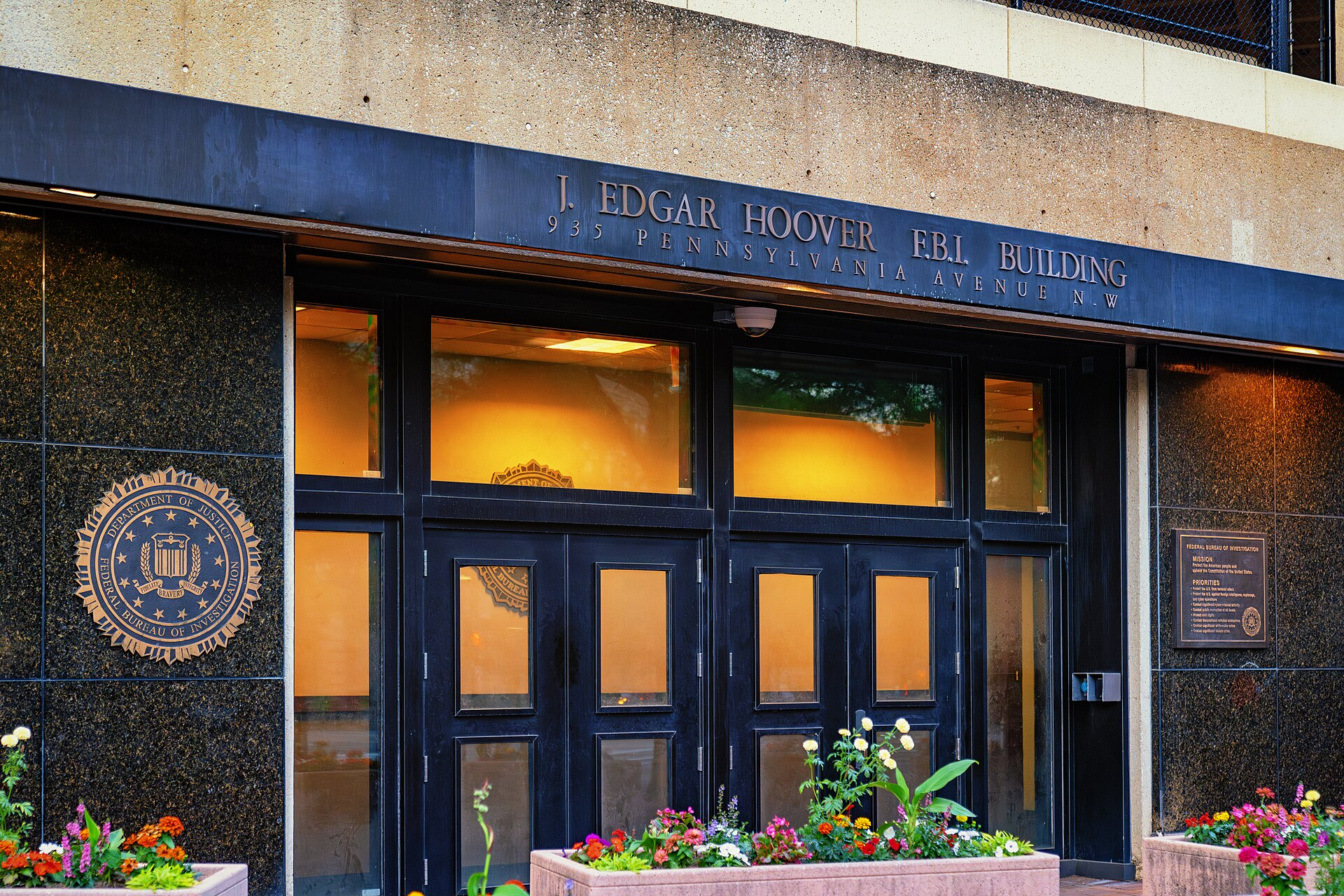
Floris and Benavides testified to the House Judiciary Committee in 2023 about the FBI’s role in investigating Hunter Biden’s laptop, which the Justice Department said was dropped at a Delaware tech shop in 2019. Faruqui said some of their statements were not actually false and others were ‘honest mistakes of memory.’ The two had served on an FBI taskforce formed after 2016 to examine potential foreign influence in American politics. In the lead-up to the 2020 presidential election, that taskforce raised concerns that Russia could bolster claims about the laptop to assist Donald Trump’s campaign.
How the probe began
According to testimony from an FBI agent, the probe began with the president’s primetime address in July on election security, during which he announced the FBI would investigate whether US intelligence agencies had suppressed information about Chinese meddling in the 2020 election. The next day, FBI Director Kash Patel tasked the Kansas City field office with scrutinizing Floris, who had cast doubt on an FBI intelligence report claiming China sought to interfere in 2020 to boost Joe Biden over Trump. Since returning to office in January 2025, the DOJ has targeted people Trump views as enemies through indictments and complaints, though some high-profile attempts have failed.
What comes next
The DOJ may still pursue a grand jury indictment against the former officials. A lawyer for Floris said the case should never have been brought and called it a ‘spaghetti-at-the-wall, Hunter-Biden-conspiracy fever dream.’ A lawyer for Benavides said they hope the DOJ will not seek a grand jury indictment behind closed doors. The DOJ did not immediately respond to a request for comment.
Sources & methods
- Al Jazeera, Nov. 2, 2026 Archived Nov 2, 2026
- The Guardian, Nov. 2, 2026 Archived Nov 2, 2026
- CNBC, Nov. 2, 2026 Archived Nov 2, 2026
This article draws on reporting from Al Jazeera, The Guardian, and CNBC on the Nov. 2, 2026 dismissal. Facts attributed to the president’s July address and Patel’s direction of the Kansas City field office rest on The Guardian’s reporting and FBI agent testimony cited in that source.