Iran offers a seven-day timetable to reopen the Strait of Hormuz and restart nuclear talks
The proposal repackages a collapsed June ceasefire deal into an accelerated sequence that forces a diplomatic choice onto Trump’s desk.
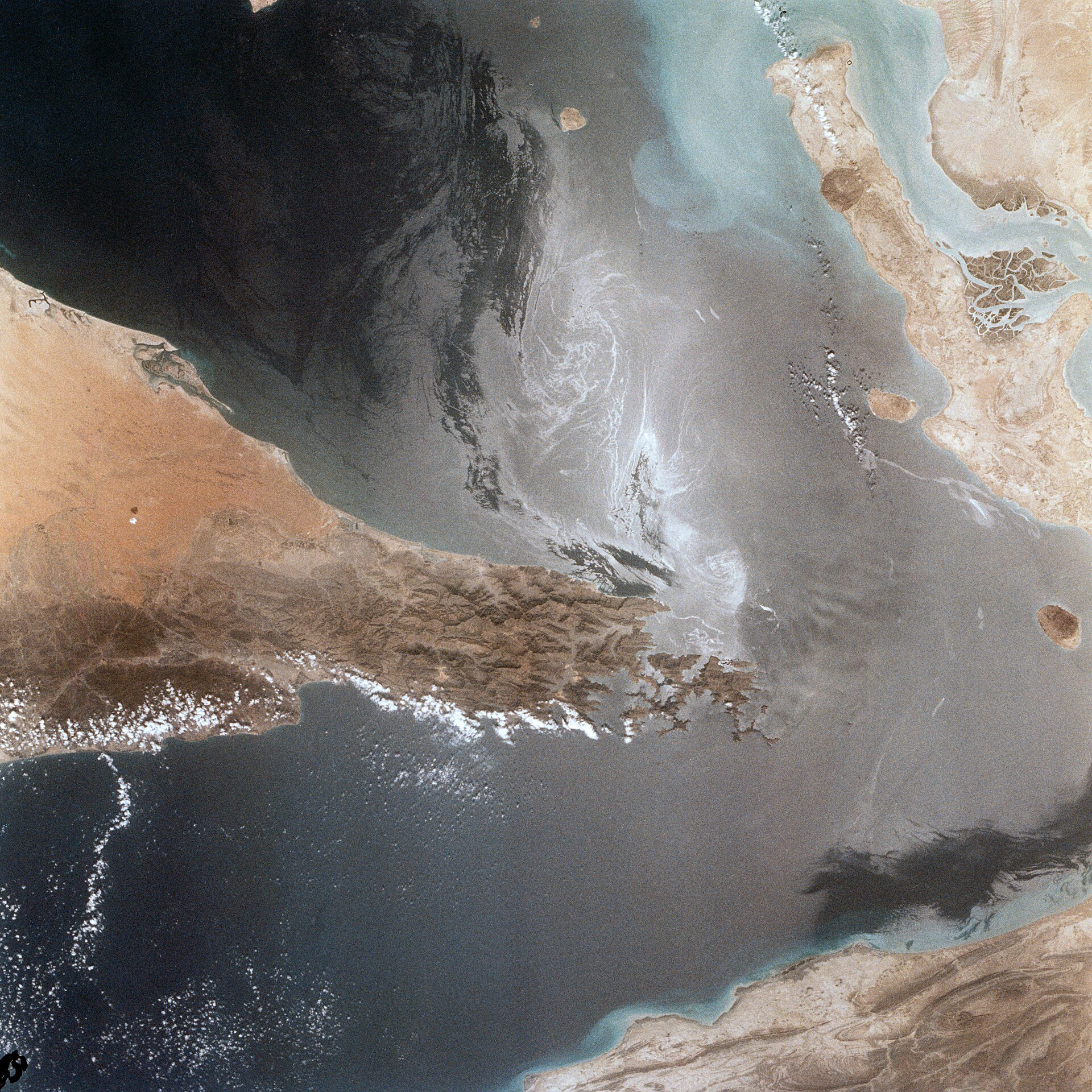
Iran’s foreign minister Abbas Araghchi proposed reopening the Strait of Hormuz and resuming nuclear talks with the U.S. within seven days if the Trump administration accepts its conditions. He laid out the offer on the sidelines of the UN General Assembly in New York. Pezeshkian was present for the diplomatic push.
The proposal repackages the collapsed June Islamabad MOU, a ceasefire agreement between the U.S. and Iran that fell apart in early July. “The conditions we have asked the US to meet is nothing new, nothing more than what was already in the Islamabad agreement, which was signed by the US president,” Araghchi said. The Trump administration has previously said it will not return to the terms of the June agreement. The proposal accelerates nuclear talks from 60 days in the June agreement to seven, forcing a decision onto Trump’s desk.
Under the seven-day timetable, the first four to five days would require the U.S. to lift the naval blockade on Iran’s oil ports and restore the waiver that lifted sanctions on Iran’s oil exports. The U.S. would also have to end the war on all fronts and permit the release of some of Iran’s frozen assets. On the sixth day, the Strait of Hormuz would be reopened by Iran, with ships using a new route designated by Oman and Iran that runs predominantly through Iranian waters. On the seventh day, negotiations would start on the future of Iran’s civil nuclear programme, including a protocol to allow UN nuclear inspectors back in to look at Iran’s damaged sites and the stockpile of highly enriched uranium.
A proposal built on a deal Trump came to hate
Araghchi said the idea was to take elements of the June MOU and repackage and accelerate the process, since they understood Trump had come to hate the MOU. “If certain conditions are met, the Strait of Hormuz will be open at the end of seven days, and talks will be restarted,” he told reporters. Iranian diplomats in New York said a three-hour meeting earlier in the week with U.S. envoy Steve Witkoff, in which they laid out the seven-day plan, was productive, but they were doubtful the U.S. would deliver. Araghchi recounted twice holding talks with Witkoff. After those sessions, Witkoff described them as productive and good, only for the U.S. to bomb Iran the next day. Other Iranian diplomats say Trump’s willingness to rein in Netanyahu in Lebanon remains key to a deal being feasible.
Beijing’s hand at the table
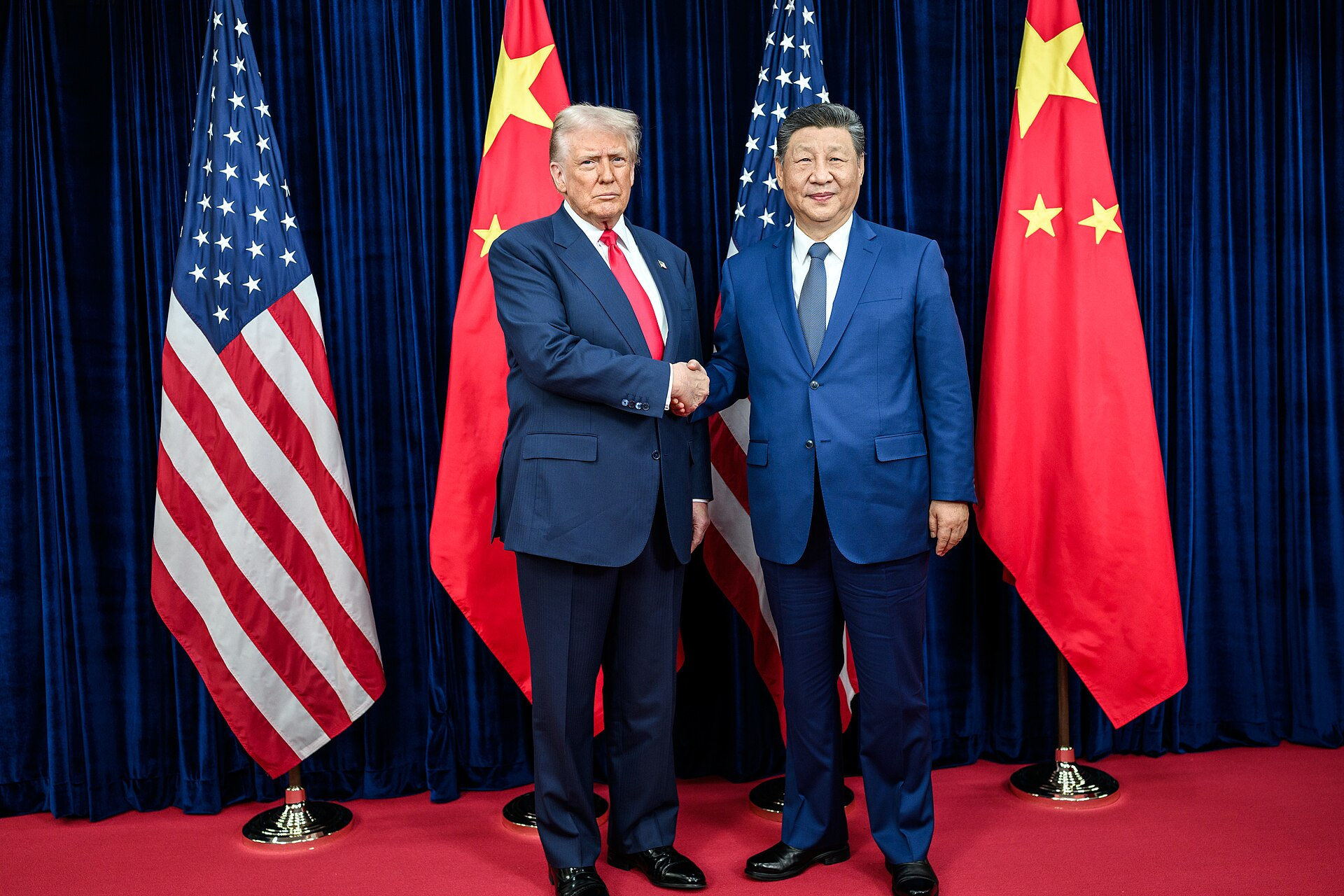
Iran took the proposal to China for endorsement and ensured Oman, located on the south side of the strait, was also on board. Xi Jinping is on a three-day state visit to the U.S. The Chinese president is meeting with Trump on issues spanning trade, artificial intelligence, Taiwan, and Iran. Trump has sought Beijing’s help pressuring Tehran toward a settlement, after indirect U.S.-Iran talks resumed on the sidelines of the UN General Assembly in New York this week. David Perdue, U.S. ambassador to China, said Trump has made U.S. interests regarding Iran very clear to China in recent weeks, including during his latest meeting with Xi. “We made it very clear to them weeks ago that, you know, any help that they would give Iran, whether it would be direct or indirect, whether it would be intelligence or parts or military equipment, was totally unacceptable,” Perdue told CNBC.
Gulf alarm over a bilateral route
Saudi Arabia is concerned that the route deal is bilateral between Iran and Oman, and not with the Gulf states as joint signatories. The Houthis fired dozens of missiles and drones at Saudi targets on Friday morning. Saudi authorities said they intercepted six ballistic missiles. Emergency alerts were issued in Mecca, Jeddah, and Yanbu. Saudi Arabia, Turkey, and Pakistan planned an urgent meeting of their chiefs of staff to discuss ways to support the kingdom under the Mecca Joint Defense Agreement. Saudi Arabia’s Grand Mufti told troops to be ready to lay down their lives to fight the Houthis until the group is ousted from power. Pezeshkian told Fox News that the Houthis are responsible for their own actions and that Iran is not at war with Saudi Arabia.
Oil flows thin as Hormuz narrows
Oil prices slipped. Brent crude futures with November expiry traded down 1% at $105.56 per barrel, while U.S. West Texas Intermediate futures with November expiry were down 1.8% at $92.94. Vessel transits through the Strait of Hormuz fell to nine, far below peacetime levels, according to Reuters. The strait normally carries about a fifth of global oil supply.
The political clock
Trump has framed his choice as between annihilation of Iran and engagement. Nearly seven months ago, the U.S. and Israel launched their war against Tehran. Pezeshkian said midterm elections have never been a factor in Iranian thinking, while Trump claimed Iran was waiting until after the vote to offer a deal. “It’s America that must choose whether it wants to end this or not,” Pezeshkian said in an interview that aired on Fox News. He delivered a defiant response to Trump’s annihilation threat at the UN General Assembly this week. Iranians wanted the war to end, he said. But he said the public had withstood sanctions for 45 years.
Sources & methods
- The Guardian, reporting from diplomatic briefings at the UN General Assembly in New York Archived Sep 25, 2026
- CNBC, reporting from the UN General Assembly and market data including Reuters ship-tracking Archived Sep 25, 2026
Reporting based on diplomatic briefings by Iranian officials at the UN General Assembly, market data from Reuters ship-tracking, and interviews broadcast on Fox News and CNBC.