Israel’s president tasks Eisenkot with forming next government in bid to unseat Netanyahu
Gadi Eisenkot won 67 premiership recommendations to Benjamin Netanyahu’s 46, but his bloc’s 48 seats leave him short of a majority in a Knesset where he has ruled out partnering with Arab-led parties holding a record 19 seats.
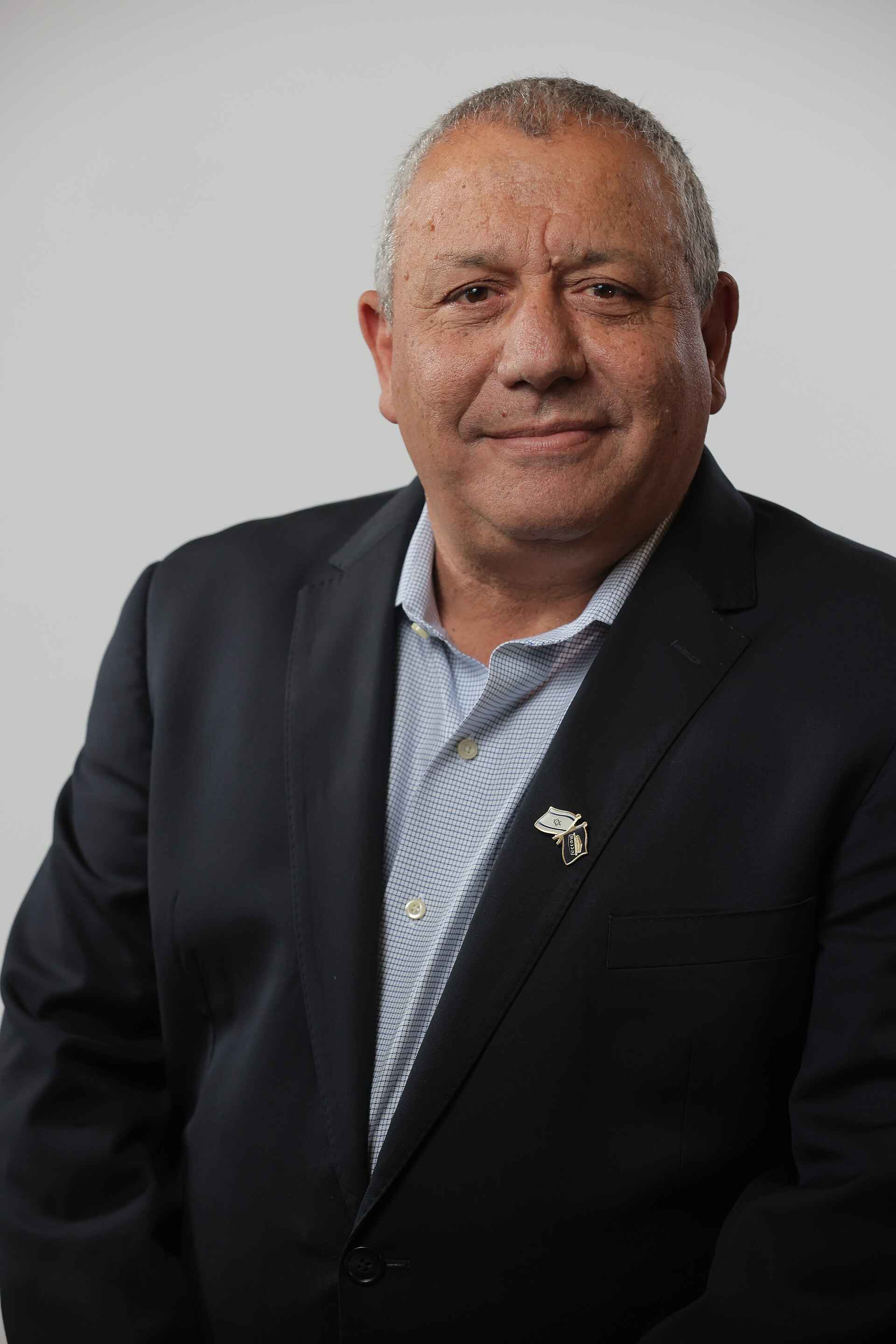
President Isaac Herzog has tasked opposition leader Gadi Eisenkot with forming the next government, giving him 28 days to secure a parliamentary majority with a possible 14-day extension. Herzog informed both Eisenkot and Prime Minister Benjamin Netanyahu of the decision on Saturday evening. A ceremony to formally hand him the mandate is set for Sunday.
Eisenkot received 67 recommendations for the premiership, while Netanyahu received 46, according to a statement from the president’s office. Herzog held consultations with political parties during the week before making his decision, meeting delegations from the incoming Knesset members to gauge who had the strongest chance of building a coalition. The president has broad discretion to pick the candidate he believes has the best chance, and does not have to choose the leader of the party with the most seats. Neither bloc secured a majority. The election results had implied three possible outcomes: a national unity government involving both Netanyahu and Eisenkot, a right-wing coalition relying on defectors from Eisenkot’s bloc, or an Eisenkot-led government supported by the Arab parties. Eisenkot’s bloc won 48 seats in the 120-seat Knesset, and Netanyahu’s right-wing and religious bloc won 53. A minimum of 61 seats is needed for a parliamentary majority.
The path to 61
Eisenkot has ruled out forming a government with Arab-led parties, which won 19 seats, an unprecedented record result that positions them as potential kingmakers in a divided legislature. The alternative path runs through the two ultra-Orthodox parties, United Torah Judaism and Shas. Winning them over would give Eisenkot exactly 61 seats, but that too would be difficult given their longstanding alignment with Netanyahu’s camp. He could also form a government with fewer than 61 seats if he wins a parliamentary confidence vote, a route that would allow outside support without formal coalition membership. No political party in Israel has ever won an outright majority. All governments have been coalitions. During his consultations, Herzog had said he expected “factions and their representatives to understand that, in the current reality, not every commitment and promise can be fulfilled.”
From chief of staff to coalition-builder
Eisenkot is leader of the Yashar party. He is a former military chief who led Israel’s military from 2015 to 2019. He sat as an observer in Netanyahu’s war cabinet for the first eight months of Israel’s war on Gaza, which began in October 2023. The election was held on October 27. “Now is the time to form a national emergency government. I will do everything to ensure we are worthy,” Eisenkot wrote on X.
The Arab electorate’s record showing
The surge in Arab seats followed a surge in turnout among Arab voters, delivering the strongest showing ever for Arab-led representation in the Knesset. The two Arab-led alliances are the United Arab List and the Joint List. The Joint List holds 11 seats. All but one of the Jewish parties pledged before the polls not to work with Arab parties to form a government, leaving the Arab factions effectively isolated despite their record performance and the influence their numbers would otherwise command.
Hours before Herzog’s decision, Netanyahu warned that a government dependent on Islamists would dismantle the state of Israel from within. The warning, delivered in a prerecorded video speech, echoed the language of far-right politicians who falsely claim parts of Europe have come under Islamic law. Ahmad Tibi, a senior member of the Joint List, said Arab-led parties had endorsed Eisenkot to avoid a national unity government that would keep Netanyahu in power.
If Eisenkot falls short
If Eisenkot fails to form a government, Herzog will nominate another candidate. If that nominee fails, a parliament majority can back a third candidate granted a final 14 days. Should no government emerge, a new election will be called within 90 days, with Netanyahu staying on as caretaker prime minister. Israel has been here before. In the period 2019 to 2022, there were five separate elections as Netanyahu and his rivals struggled repeatedly to cooperate. In 2020, following three deadlocked elections, Netanyahu and Benny Gantz agreed a power-sharing deal with rotating leadership, a precedent that showed the system could produce unlikely alliances.
Sources & methods
- BBC News, reporting on the presidential mandate and coalition arithmetic
- Al Jazeera, reporting on the mandate decision, party positions, and fallback procedures Archived Nov 8, 2026
Reported from two corroborating sources covering the Israeli presidential mandate process, party consultations, and coalition arithmetic, with direct quotes drawn from verified statements by Gadi Eisenkot and Isaac Herzog.