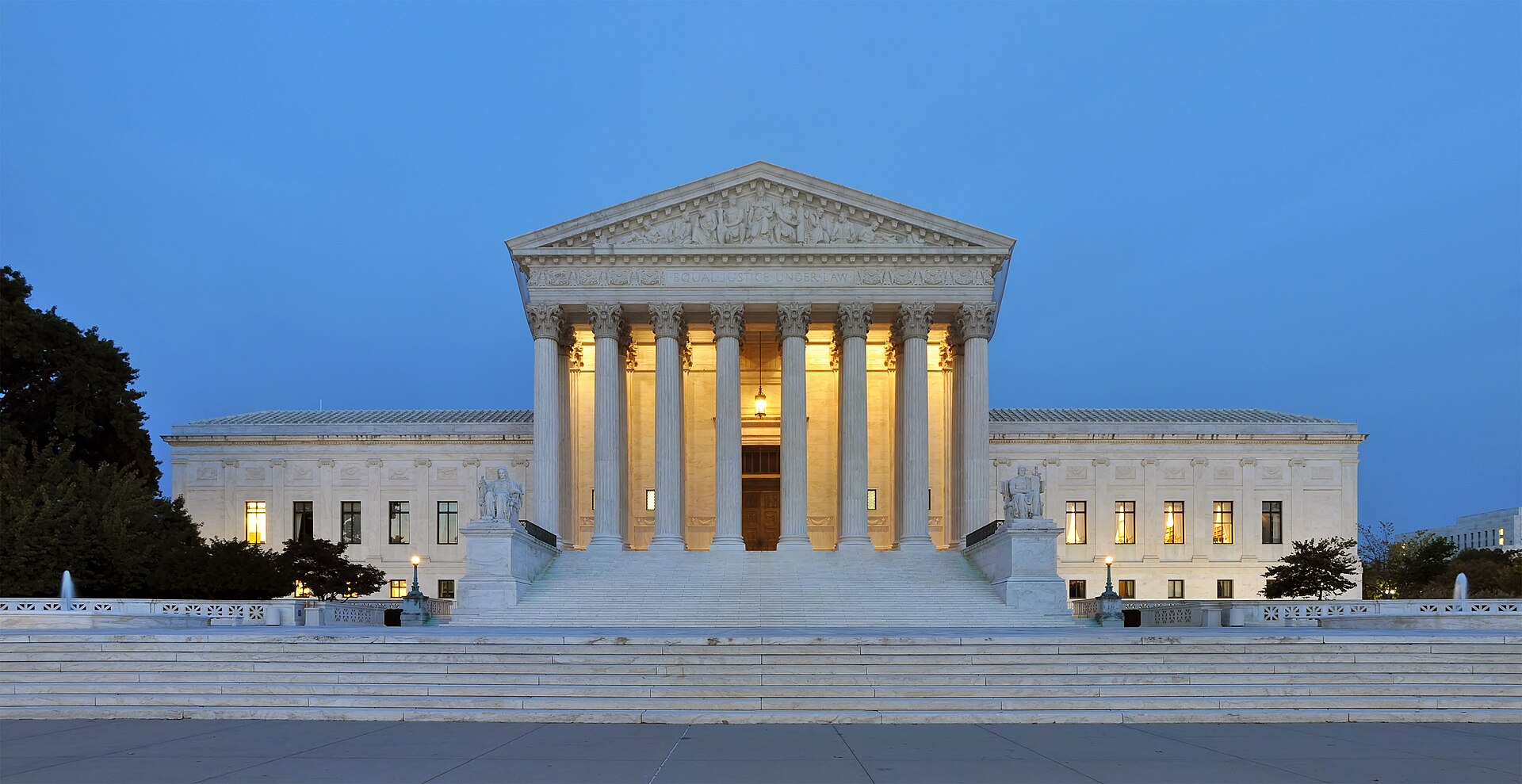
Supreme Court lets Trump administration resume using SAVE citizenship database for voter checks
The six-three conservative majority granted an emergency stay overriding a lower court ruling that the revamped system violates multiple federal laws.
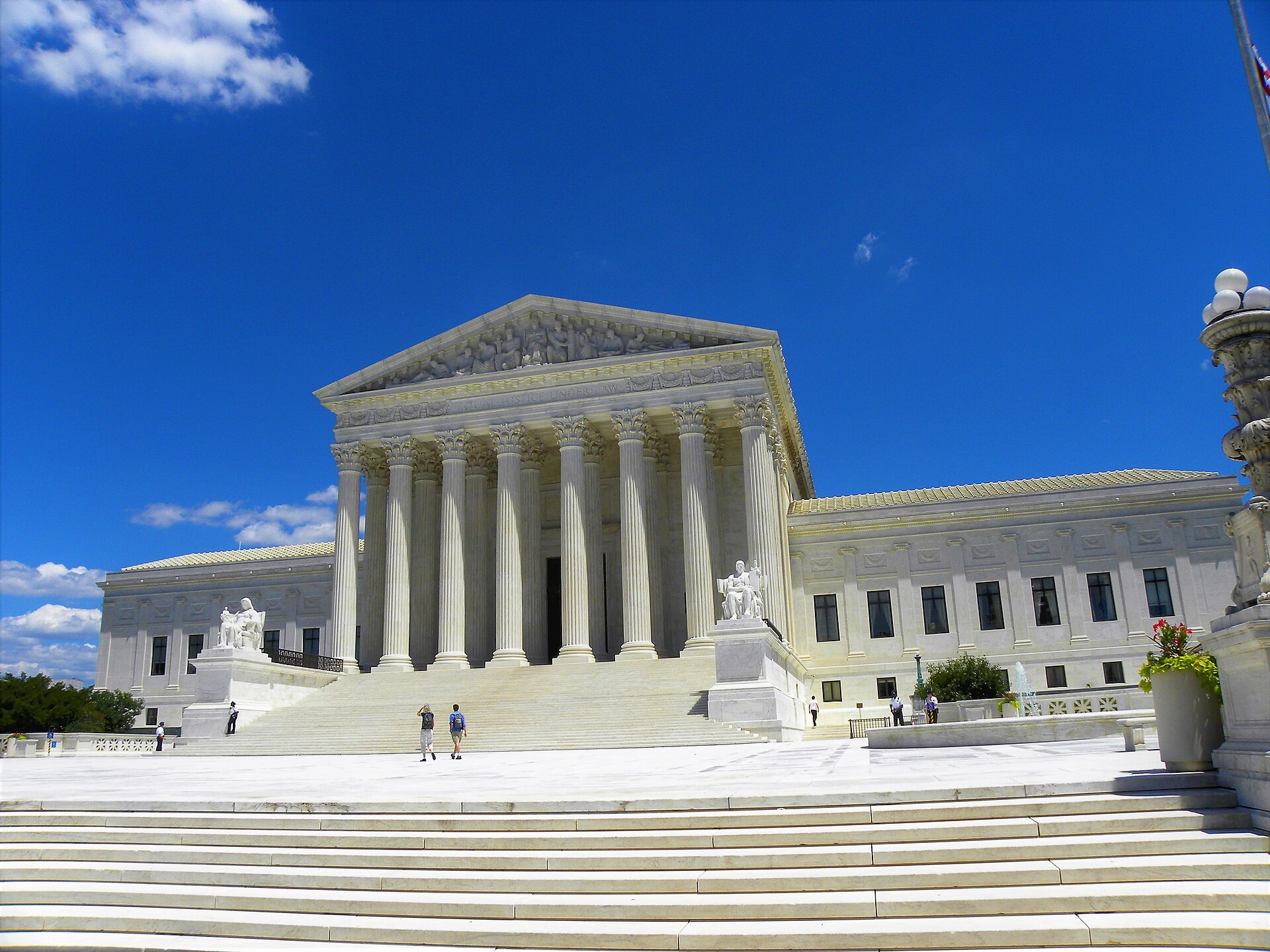
The Supreme Court ruled Friday via an emergency order allowing the Trump administration to use SAVE, the federal citizenship database, for voter verification checks. The court’s six-three conservative supermajority granted the stay. The three liberal justices dissented. Justice Ketanji Brown Jackson authored the dissent.
SAVE, the Systematic Alien Verification for Entitlements program, is run by the Department of Homeland Security. It was created in 1986, originally to verify immigration and citizenship status for public benefits eligibility. The Trump administration revamped SAVE in 2025, linking it for the first time to Social Security Administration records and enabling bulk searches of entire state voter rolls. Many states uploaded their voter lists to the expanded system, sharing that voter information with the federal government. Since May 2025, the updated SAVE has verified more than 65 million voters across 26 states and flagged 28,635 as potential non-citizens, according to U.S. Solicitor General D. John Sauer’s appeal to the court, as NPR reported.
Lower court had blocked the program
In June, U.S. District Judge Sparkle Sooknanan, a Biden appointee, ruled that the revamped SAVE was illegal. Sooknanan found it violated the Social Security Act, the Privacy Act, and the Administrative Procedures Act, according to NPR’s account of the ruling. A federal appeals court allowed the lower court ruling to stand. Sauer appealed to the Supreme Court earlier this month, NPR reported, arguing that the district court’s order makes it harder to detect ineligible voters, undermining the integrity of federal elections and public confidence in the results. The Supreme Court overrode those rulings Friday. The court’s majority wrote that the lower court order prevents the federal government from using the modified SAVE program to conduct individualized inquiries, which are permitted under federal law during the 90-day period before an election.
Dissent warns of disenfranchisement
Jackson wrote that “the harm caused by burdening or disenfranchising even a few lawful voters outweighs the non-existent harm that the government experiences when it is prevented from taking an action that it likely lacks the authority to take.” The dissenting justices said the majority disregarded the harms that the modified SAVE system has caused, and will likely continue to cause, to lawful voters. Sooknanan had warned that “the federal government has knowingly trampled on the privacy rights of American citizens in a manner that threatens the sacred right to vote.” The coalition challenging SAVE includes the League of Women Voters and the Electronic Privacy Information Center, represented by Democracy Forward, Citizens for Responsibility and Ethics in Washington, and the Fair Elections Center. The groups argued in a brief that Congress has not authorized the federal government to create a master database of U.S. citizens, nor does it have data that could do that accurately. In a statement, the coalition called the decision profoundly disappointing, saying it puts millions of Americans at risk of being unlawfully targeted by the administration’s unreliable voter purge database weeks before the midterm elections.
Mixed record on the ground
The Travis County, Texas experience is cited as evidence that SAVE has mistakenly flagged U.S. citizens as non-citizens. In 2024, Texas Governor Greg Abbott announced that 1,930 people with a voter history were removed from electoral rolls out of nearly 18 million registered voters, according to the BBC. Since SAVE checks began in Texas, only three non-citizen voters have been charged with illegally voting. Georgia Secretary of State Brad Raffensperger, a Republican, has touted his office’s work with SAVE and says guardrails are in place. “There’s always guardrails in place, to make sure that we never denied the right to vote,” Raffensperger said. The government has not released SAVE’s error rate. SAVE has been unable to confirm the citizenship of certain categories of foreign-born people who become U.S. citizens. Evidence suggests that fraud of any kind, including instances of non-citizens voting, has been glancingly rare in the United States.
Case continues despite stay
Federal law bans states from systematically removing voters from rolls within 90 days of a federal election. States are not required to use SAVE, and use is voluntary. The case is not over, as the emergency order is not the final ruling on the merits. The midterm election is scheduled for November 3. An executive order President Trump signed in March calls for federal agencies to consult SAVE data to create state-by-state lists of adult U.S. citizens, NPR reported. The same order directs the U.S. attorney general to prioritize investigating and prosecuting election officials who provide ballots to ineligible voters.
Sources & methods
- BBC News report on the Supreme Court's emergency order allowing SAVE use Archived Sep 25, 2026
- Al Jazeera report on the Supreme Court ruling and its implications for the midterm elections Archived Sep 25, 2026
- NPR report on the SAVE overhaul, lower court rulings, and the coalition's challenge Archived Sep 25, 2026
This report draws on three published accounts of the Supreme Court’s emergency order, the lower court proceedings, and the on-the-ground experience of states using SAVE. Direct quotes are drawn verbatim from those sources.