Tennessee’s top prison official resigns after botched execution of Christa Pike
Frank Strada’s departure follows a failed lethal injection that left Pike on a ventilator, prompting Governor Bill Lee to halt all executions and order an independent review.
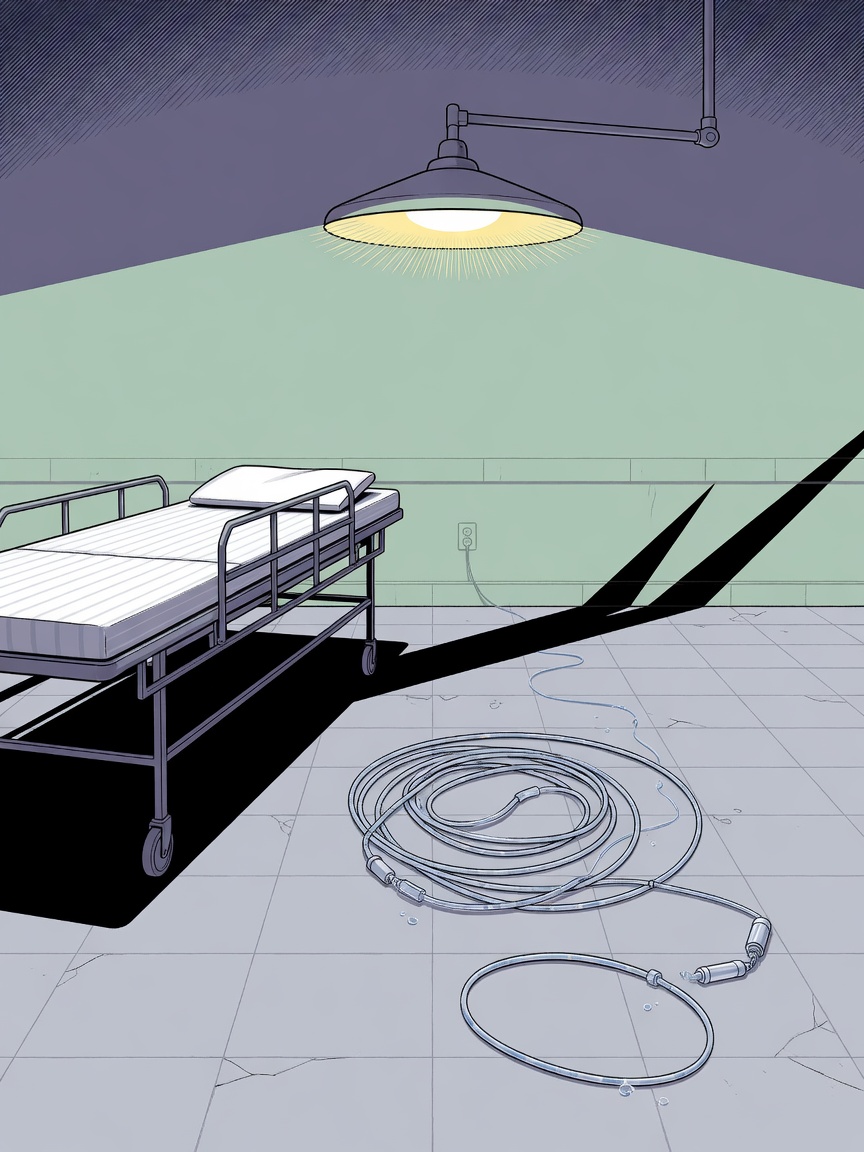
Frank Strada is resigning as commissioner of the Tennessee Department of Correction after the botched execution of Christa Pike, Governor Bill Lee announced on Saturday.
Pike survived two injections of pentobarbital on Wednesday and was transported to a hospital in Nashville, where medical staff worked to clear the drug from her system. As of Thursday night, she was unconscious, intubated, and on a ventilator. ‘Commissioner Strada has served with integrity, and I appreciate his willingness to put the interests of Tennesseans first during this difficult moment,’ Lee said. The governor ordered an independent review of the failed execution and halted all executions in Tennessee for the remainder of the year.
What happened in the chamber
Pike’s lawyers argued that problems with the IV lines caused pentobarbital to enter her body rather than her bloodstream. In a court filing, they wrote: ‘Apparently at no point did any member of the execution team realise that the IV lines were not correctly placed or that the veins had blown and that the pentobarbital was, in whole or in part, entering Ms Pike’s body.’ Attorney Randy Spivey witnessed the procedure from inside the death chamber and said he personally counted seven needles inserted into Pike’s left arm, one of which appeared bent when it was pulled from her. Pike could be heard crying, whimpering, and breathing loudly throughout the procedure, her lawyers said. She became the first death row prisoner in the US to undergo such an execution attempt and live. On Friday, her lawyers filed an emergency motion to preserve all evidence related to the failed execution.
Strada defended the department’s handling. The protocol was followed, he said. ‘Serving as commissioner of the Tennessee department of correction has been a great honor, and I continue to believe the department carried out its responsibilities in accordance with the established protocol,’ he said in his resignation statement. ‘Even so, stepping aside is in the best interest of Tennesseans as the independent review moves forward.’ The Tennessee Department of Correction said the protocol does not allow for additional procedures beyond what was carried out. Strada said the review is entirely appropriate and necessary. He will step down later in October. No replacement was announced.
A pattern of problems
Strada, who started his role in Tennessee three years ago, previously served as a top official in Arizona’s corrections department, where multiple executions on his watch faced complications, Al Jazeera reported. Attorneys have alleged that Pike’s failed lethal injection was the fifth botched execution carried out under Strada’s leadership in two states since 2022. ‘When Governor Lee hired Strada to fix execution problems in Tennessee his problematic history of executions in Arizona was well known,’ said Kit Thomas, a death row attorney in the federal public defender’s office in Nashville. ‘Strada then oversaw the implementation of a new protocol that ignored the recommendations of the independent investigation and weakened protections leading to a string of problems in Tennessee, including this week’s horrific botched execution attempt and another one in May. Until there is transparency and accountability, botched executions will keep happening.’
‘A systemic failure’
Pike’s lawyers called the resignation justified. But it does nothing to help Christa now, they said. What happened reflects a systemic failure that goes far beyond any one person, they wrote, and they hope the governor’s review will expose profound problems within Tennessee’s entire death penalty system. Pike’s lawyers had previously warned that her medical history, including thrombocytosis, a blood-clotting condition, and small veins, created a risk of unnecessary pain and suffering during a lethal injection. The attempted execution went ahead after multiple failed last-minute legal challenges.
The case behind the execution
Pike was 18 when she and her then-boyfriend Tadaryl Shipp killed 19-year-old Colleen Slemmer in 1995 in Knoxville. A pentagram was carved into Slemmer’s chest. Pike was sentenced to death in 1996, becoming one of the youngest women sent to death row. After the murder, she was diagnosed with bipolar and post-traumatic stress disorders, her attorneys said. ‘It took me numerous years to even realize the gravity of what I’d done,’ Pike wrote in an earlier clemency petition. ‘Even more to accept how many lives I affected. I took the life of someone’s child, sister, friend. It sickens me now to think I had the ability to commit such a crime.’ Now 50, Pike was the only woman on Tennessee’s death row. Had the execution succeeded, she would have been the first woman put to death in Tennessee in more than 200 years. The US Supreme Court rejected two efforts to stop the injection, and Governor Lee denied a clemency request. Authorities have not said whether they will try again to execute Pike.
Sources & methods
- BBC News, reporting on the resignation, Pike's medical condition, and the execution attempt Archived Oct 3, 2026
- Al Jazeera, reporting on Strada's background, the court filing, and the timeline of events Archived Oct 3, 2026
- The Guardian, reporting on Spivey's witness account, the Kit Thomas statement, and Pike's case history Archived Oct 3, 2026
This article draws on reporting from BBC News, Al Jazeera, and The Guardian, including court filings, official statements, and attorney accounts.