Trump imposes 50% tariffs on most Canadian imports, escalating North American trade fight
The duties target cars, dairy, and alcohol under a rarely used 1930 law, and take effect within 30 days. Energy, potash, critical minerals, and fish are exempt.
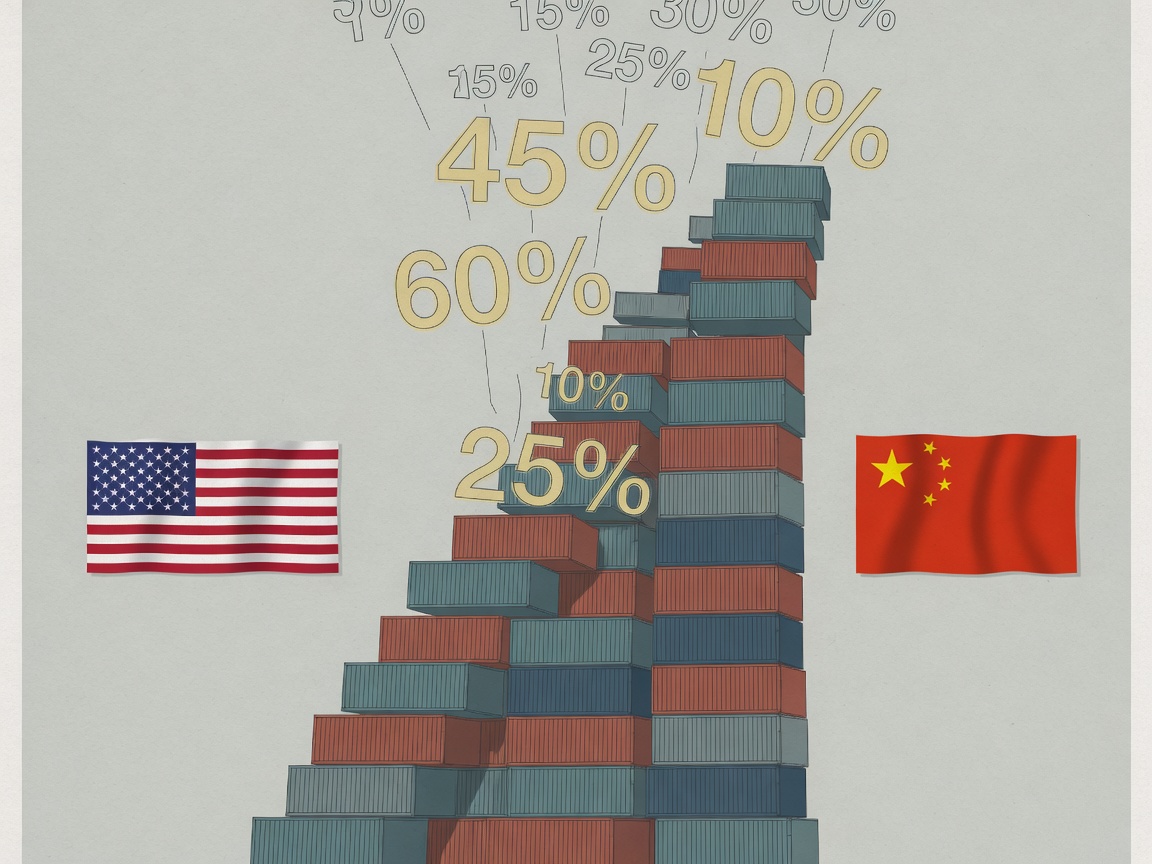
President Donald Trump signed three proclamations on Monday imposing 50% tariffs on a wide range of Canadian goods, invoking a rarely used provision of the 1930 Tariff Act to punish Canada for what his administration calls unfair discrimination against American autos, alcohol, and dairy products. The duties take effect 30 days after signing, according to senior administration officials, and apply to all covered goods regardless of whether they fall under the existing United States-Mexico-Canada Agreement.
The move marks a major escalation in trade tensions between the two neighbors. Goods targeted range from everyday consumer items like wine and hockey sticks to industrial goods such as commercial cement. Energy products, fish, critical minerals, and potash are exempt from the new duties.
The tariffs build on barriers already in place. The United States maintains active tariffs ranging from 15% to 50% on Canadian steel, aluminum, and copper, along with a 35% tariff on Canadian softwood lumber and a 25% tax on non-US parts in cars. Canada has its own 25% counter-tariff on selected imports of American steel, aluminium, and vehicles.
Three proclamations, three grievances
Each proclamation targets a separate area where the administration says the US has been treated unfairly. On cars, Trump accuses Canada of charging a tax on US motor vehicles and parts not covered under the USMCA, calling it unreasonable and discriminatory because Canada does not charge other countries a similar tax. Canada maintained that 25% tariff on non-USMCA US vehicles starting in April 2025, according to Trump’s autos proclamation.
Dairy has long been a sore point. Canada’s supply management system sets limits on foreign imports, and those exceeding the limit face tariffs upwards of 300%. Trump’s proclamation on dairy objects to Canada’s treatment of US cheese compared to Europe, saying Canada discriminates against American products relative to other nations.
On alcohol, the White House noted that all but two Canadian provinces and territories halted the purchase and retailing of American alcoholic beverages beginning last year. That boycott, imposed in response to Trump’s earlier tariffs and his taunts about making Canada the 51st state, has become a major irritant for the Americans. Canadian premiers have said repeatedly that the boycott will be lifted if the US removes its tariffs on key Canadian sectors, including metals and automobiles.
The three proclamations list trade irritants previously known to Canada, signaling a breakdown in negotiations between the two countries. Canadian trade negotiators had been working to secure a deal that would at least reduce some of the current US tariffs.
A rarely used legal mechanism
The duties were imposed under Section 338 of the 1930 Tariff Act, which covers trade discrimination rather than national emergencies. That section gives the president power to impose tariffs of up to 50% on goods from countries found to be discriminating against the United States. The authority has gone unused for decades, with no public record relating to Section 338 since 1949, according to a 2016 article by John Veroneau and Catherine Gibson of the law firm Covington and Burling LLP.
The choice of legal mechanism follows a February Supreme Court ruling that struck down international tariffs Trump had imposed through the International Emergency Economic Powers Act of 1977. The justices ruled that the president had exceeded his authority by announcing duties under a law reserved for national emergencies. The White House vowed at the time to invoke other mechanisms to impose import taxes. Several Democratic lawmakers last year proposed repealing Section 338, arguing Trump could use it to destabilize the economy.
Trump had threatened last week to impose tariffs over smoke from Canadian wildfires drifting across large portions of the United States. He wrote on Truth Social that Canada was not properly maintaining its forests and that the United States was being invaded by polluted, unhealthy air. He claimed the issue had harmed the US to the tune of billions of dollars and that those costs must be added to the tariffs Canada is currently paying.
But there is no mention of wildfires in the executive orders Trump signed on Monday. A senior administration official specified that the newly announced 50% tariffs are not related to the wildfires, though Trump has asked for options on that front. Trump watched Sunday’s World Cup final with Canadian Prime Minister Mark Carney, who won the premiership last year on a platform of standing up to the US president. After the match, Trump told reporters he had raised the issue of wildfire smoke with Carney, saying he told him to stop the fires from poisoning American air.
Candance Laing, head of the Canadian Chamber of Commerce, called the move a regrettable decision but urged officials to make meaningful progress in talks before the new duties take effect. Ontario Premier Doug Ford said on X that Canada should respond tariff for tariff, dollar for dollar if the new US import duties proceed. The Canadian Embassy in Washington did not immediately respond to requests for comment. The US and Canada engaged in an escalating trade fight last year, and earlier this month the Trump administration said it would not renew the USMCA, instead triggering a series of annual reviews that cast a shadow over the treaty’s future.
Sources & methods
- BBC News report on Trump's 50% tariff order, existing trade barriers, legal basis, and Canadian responses Archived Jul 20, 2026
- Guardian report on the White House announcement, wildfire context, Trump-Carney World Cup meeting, and proclamation details Archived Jul 20, 2026
- CNBC report on the three proclamations, Section 338 background, Doug Ford's response, and USMCA non-renewal Archived Jul 20, 2026
This article was assembled from three published reports covering the White House announcement, the legal basis for the tariffs, and reactions from Canadian officials. No independent reporting was conducted.