Trump names DNI Jay Clayton as White House AI czar to lead new Super Intelligence Force
Clayton will chair a body that pairs sweeping authority with an anti-regulation mandate, bringing together officials from the FTC, OPM, and the Pentagon to coordinate federal AI policy.
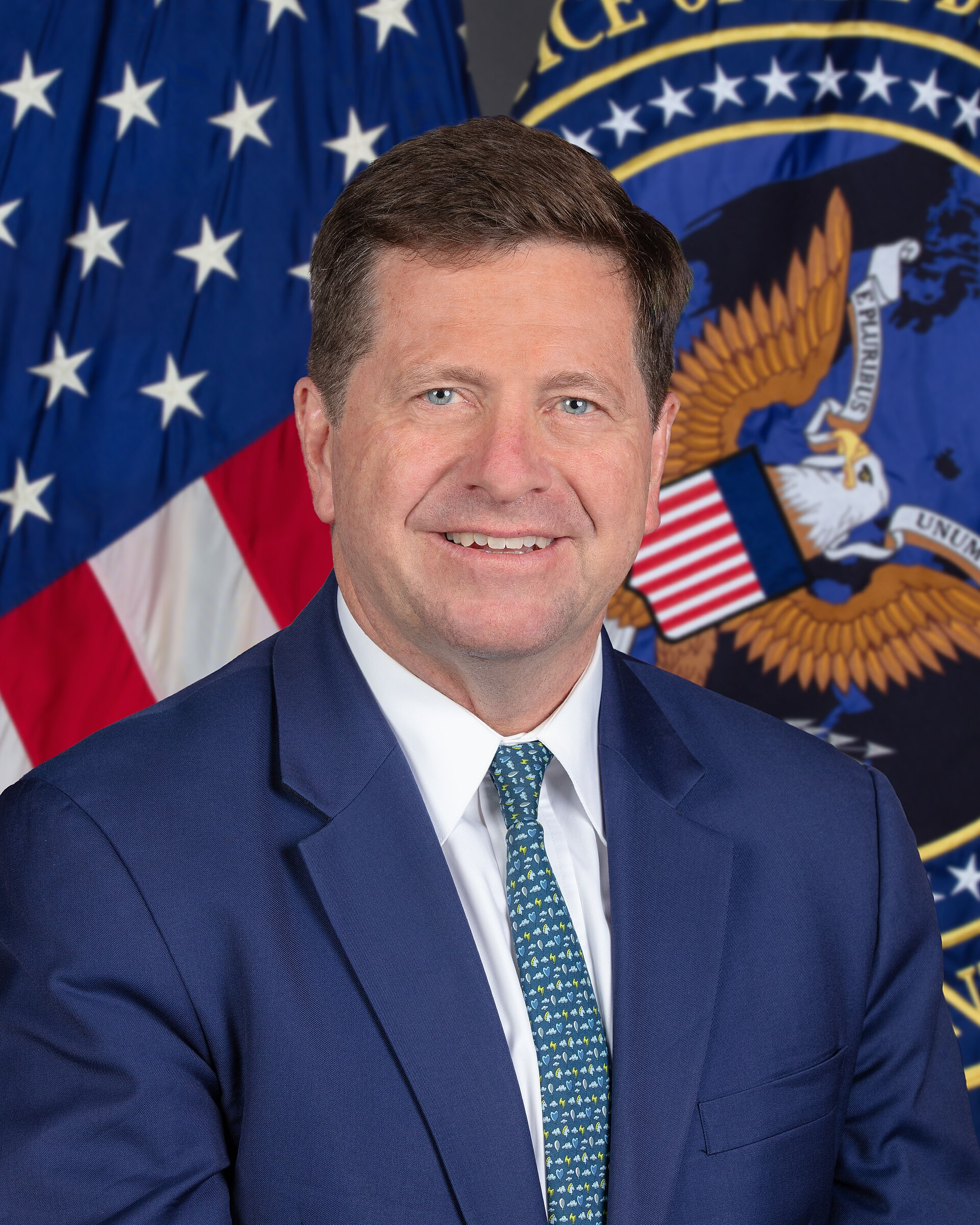
President Donald Trump named Director of National Intelligence Jay Clayton as White House AI czar on Sunday, announcing the appointment in a post on Truth Social. Clayton will lead a new White House body called the Super Intelligence Force, which Trump said would “ensure that America continues to lead the World in Super Intelligence.”
The Senate confirmed Clayton as DNI earlier this year, giving him authority over 18 U.S. intelligence agencies. The Wall Street Journal reported on Clayton’s new role on Saturday. Before his confirmation as DNI, Clayton served as chairman of the Securities and Exchange Commission during Trump’s first term and as U.S. Attorney for the Southern District of New York, the top federal prosecutor’s post in Manhattan. Trump had floated Clayton’s name for the AI czar role in September, telling Axios that Clayton was “a good man” and that appointing him was “a good idea.”
The Super Intelligence Force
The Super Intelligence Force brings together top officials from across the federal government to coordinate AI policy. Its members include FTC Chairman Andrew Ferguson, OPM Director Scott Kupor, and Under Secretary of Defense for Research and Engineering Emil Michael, with Ferguson, Michael, and Kupor serving as vice chairs. The task force reports to Trump and his chief of staff, Susie Wiles. It will have 120 days to research and report on AI’s risks and opportunities and to offer recommendations on the federal government’s responsibilities regarding the new technology. The charter says the body will “develop plans for responding to SI-enabled threats to our society, while preventing overregulation and regulatory capture that would stifle innovation and competition.”
The Super Intelligence Force will coordinate the federal government’s engagement with consumers, public interest groups, religious organizations, critical infrastructure providers, and super intelligence companies. Trump prefers “super intelligence” to “artificial intelligence.” He signed an executive order rebranding AI as “super intelligence.” In his Truth Social post, Trump described the technology as bigger than the Industrial Revolution and the Internet, saying it will “protect the interests, and improve the lives, of all Americans.”
Clayton’s posture on AI
Clayton told CNBC last month that super intelligence is a “national security issue” and pushed back against calls for a pause in AI development, arguing that other countries are continuing to advance the technology. “I don’t think any American should think that that’s a good strategy,” he said. During his Senate confirmation hearing, Clayton described AI as both an opportunity and “a threat,” telling lawmakers, “When something’s both an opportunity and a threat, you better get your arms around it.” He told the Wall Street Journal that one of the biggest risks is “not being first.”
Trump’s stance vs. industry warnings
Trump has largely brushed aside or dismissed concerns about AI risks, opposing federal AI regulation despite warnings from industry leaders. Anthropic CEO Dario Amodei and OpenAI CEO Sam Altman have warned about AI risks and called for federal guardrails on frontier models. Trump has insisted continued AI development is paramount to defeating China in the global AI race. He suggested AI fears were a hoax and blamed “Radical Left Dumocrats.” On Tuesday, Trump met with AI executives at the White House and signed a voluntary safety accord. The accord includes internal and external reviews. Trump called the agreement “morally binding.” The meeting also included House Speaker Mike Johnson. Congress has not passed federal law broadly regulating the use or development of AI, though some states, including California, have enacted measures requiring transparency when AI is used.
In September, Trump announced he would create an “AI Force” and appoint an AI czar, writing on Truth Social, “We will not in any way hinder or stifle the Growth of this incredible Industry.” He added, “Only High I.Q. individuals need apply.” David Sacks previously served as AI and crypto czar under Trump, a position created when Trump returned to the White House in January 2025. Sacks backed Altman and Amodei’s warnings about AI and the idea of a “slow down” in AI development. Last month, he wrote on social media that tech leaders should “stop pretending you need anyone else’s permission” to make such moves. Sacks’s time as special government employee ended in March 2026. He is co-chair of the President’s Council of Advisors on Science and Technology.
Sources & methods
- NPR, npr.org, October 4, 2026 Archived Oct 4, 2026
- The Guardian, theguardian.com, October 4, 2026 Archived Oct 4, 2026
- CNBC, cnbc.com, October 3, 2026 Archived Oct 4, 2026
- TechCrunch, techcrunch.com, October 4, 2026 Archived Oct 4, 2026
This report draws on reporting from NPR, The Guardian, CNBC, and TechCrunch, incorporating Trump’s Truth Social posts, Senate confirmation hearing testimony, and interviews published by CNBC and the Wall Street Journal.