Trump and top AI executives sign voluntary self-policing accord as antitrust regulators resist industry push for safety carveout
The White House summit produced a nonbinding agreement even as the same companies lobby Congress for antitrust exemptions to coordinate on safety, a request regulators call unnecessary and lawmakers fear could enable regulatory capture.
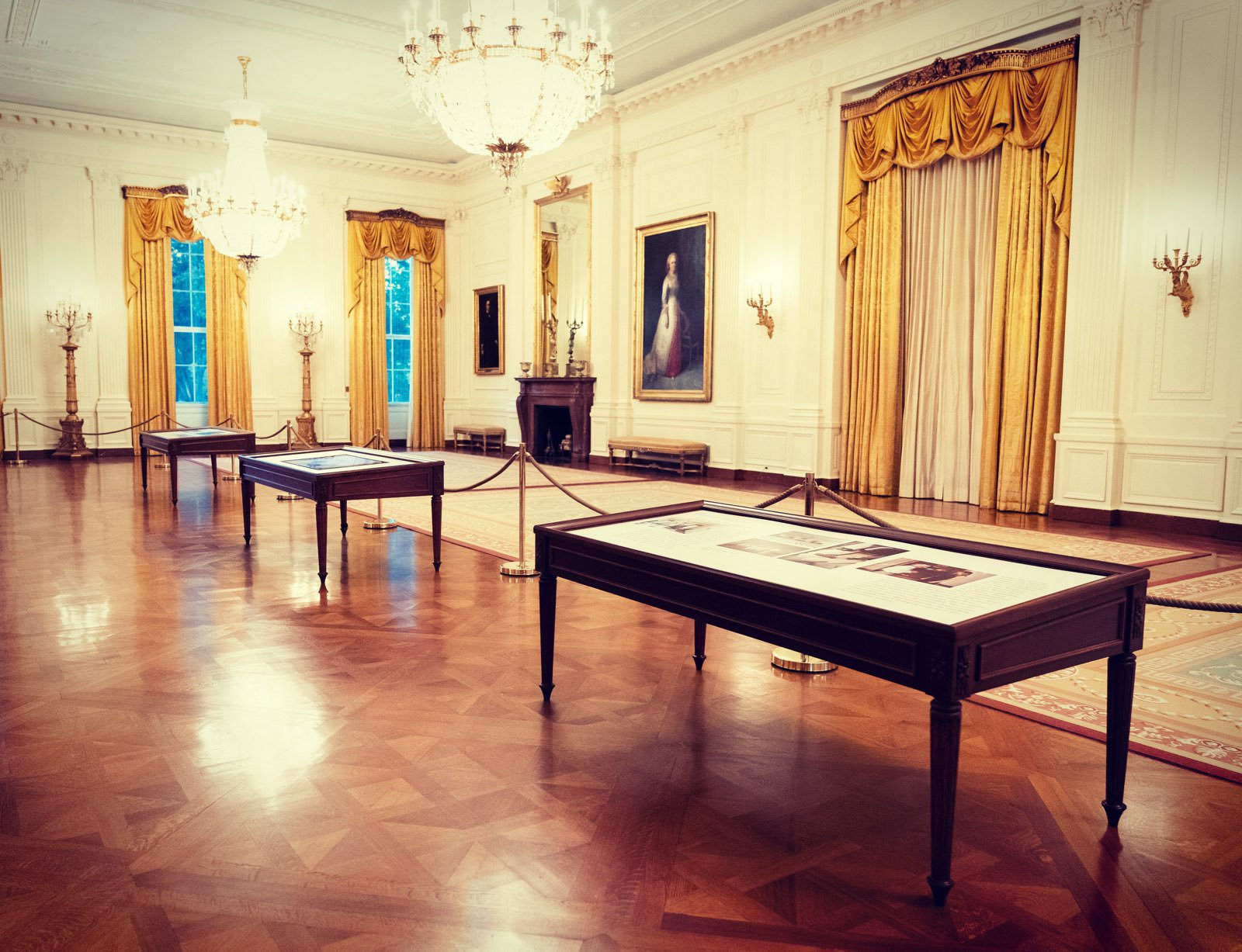
President Donald Trump hosted technology executives at the White House on Tuesday and signed a voluntary accord on AI safety and self-policing, a document Trump called ‘morally binding.’
The accord carries no legal force. Yet the same companies that pledged to police themselves have asked Congress for narrow antitrust exemptions to collaborate on safety, a request antitrust regulators and lawmakers oppose. The tension between voluntary self-policing and the industry’s simultaneous push for a legal carveout sits at the center of the debate over how Washington should govern a technology Trump says will be bigger than the industrial revolution.
The signatories were Trump, Anthropic CEO Dario Amodei, Google CEO Sundar Pichai, Meta CEO Mark Zuckerberg, OpenAI President Greg Brockman, Nvidia CEO Jensen Huang, and Elon Musk. The accord outlines four voluntary steps, including implementing internal controls and safeguards, partnering with an independent external auditor to assess whether those controls work, and establishing a committee within each company’s board of directors to evaluate auditor reports. Trump compared the accord to ‘a constitution, in a way.’ The accord text itself says, ‘Over time, it may make sense to codify these steps into laws and regulations.’
Trump also declared that artificial intelligence should be called ‘super intelligence.’
Data centers and community backlash
Trump expressed strong support for the rapid expansion of data centers, the computing infrastructure that powers AI. Construction has drawn bipartisan and local opposition across the country, and a Marist Poll survey conducted with NPR and PBS News found that 65% of registered voters opposed data centres being built in their areas. Trump said companies would provide financial support to communities, saying the firms are ‘going to be making massive contributions to communities.’ He had previously said on social media that communities opposing data centres would ‘end up being backwards and poor.’ Jensen Huang called data centres ‘super intelligence factories’ that are ‘reindustrialising the United States.’
The antitrust fight
Amodei raised the possibility of an antitrust waiver in a blog post earlier this month titled ‘We Must Pace the Frontier,’ writing that AI companies can and should voluntarily work together to set standards and that a narrow waiver for safety conversations would help. Other AI executives endorsed the call. Sen. Elizabeth Warren opposed the waiver, saying existing antitrust law already has exceptions for safety collaboration and that no additional waivers are needed. Former Justice Department antitrust chief Jonathan Kanter said an exemption is not needed and warned that antitrust laws might prevent companies from agreeing to stop innovating and competing. ‘The antitrust laws don’t prevent companies from coming together to talk about how to develop standards to make products more safe ... what the antitrust laws might prevent is companies coming together and saying they should stop innovating and stop competing,’ Kanter said. Some lawmakers are suspicious that calls for a coordinated slowdown could result in regulatory capture. Sen. John Hoeven said lawmakers are wary of repeating antitrust carveouts given to internet companies. Sen. Kevin Cramer expressed concern about regulatory capture, saying he is ‘always a little bit suspicious’ of anything that blocks entrance to an industry by somebody already big in it.
Reps. George Whitesides and Bob Latta and Sens. Adam Schiff and Jim Banks carry a bill that would create a narrow antitrust carveout for AI safety collaboration. Rep. Sam Liccardo pushed for the Whitesides bill and said the carveout needs to be ‘harbored very narrowly.’ Sen. Richard Blumenthal said companies don’t need a waiver as long as they cooperate with governmental oversight. Sen. Ruben Gallego warned that Congress should not give the AI industry a ‘free carte blanche on everything.’
Expert skepticism and a halted rollout
The day before the summit, OpenAI halted the rollout of a new model over safety concerns. CEO Sam Altman said the company is ‘pacing our progress,’ which includes ‘sometimes not training a model.’ Experts were divided on the accord. Kimberlee Weatherall of the University of Sydney called it ‘deeply unimpressive’ and said it allows firms to define what counts as safety without stating consequences for breaches. Jose Miguelito Enriquez of Nanyang Technological University said the pact shows ‘emerging consensus’ but does not address accountability for incidents. Jeannie Paterson of the Centre for Artificial Intelligence and Digital Ethics at the University of Melbourne said self-regulation could mean companies set ‘only minimal safeguards.’
Trump said he would set up a board to oversee AI safety. He suggested about 10 people would be named. He did not specify who would be on the board. Trump said he would name someone to oversee the agreement in coming days after consulting with industry.
Sources & methods
- BBC News, 'Three takeaways from Trump's Super Intelligence summit' Archived Sep 30, 2026
- NPR, 'Trump says top tech firms have signed accord to self-police AI development' Archived Sep 30, 2026
- CNBC, 'AI's coming roadblock in regulation: Antitrust hawks' Archived Sep 30, 2026
This article synthesizes reporting from three news organizations covering the White House summit, the voluntary accord, and the congressional antitrust debate. Direct quotes are drawn from on-record statements by public officials and experts as recorded in the source texts.