Trump and Xi exchange warm words and discuss an AI crisis channel, but core disputes remain unresolved
The first Chinese leader’s state visit to the US in 11 years produced choreographed camaraderie and a tech-celebrity-studded dinner, yet extended only a fragile trade truce and left every major dividing issue unresolved.
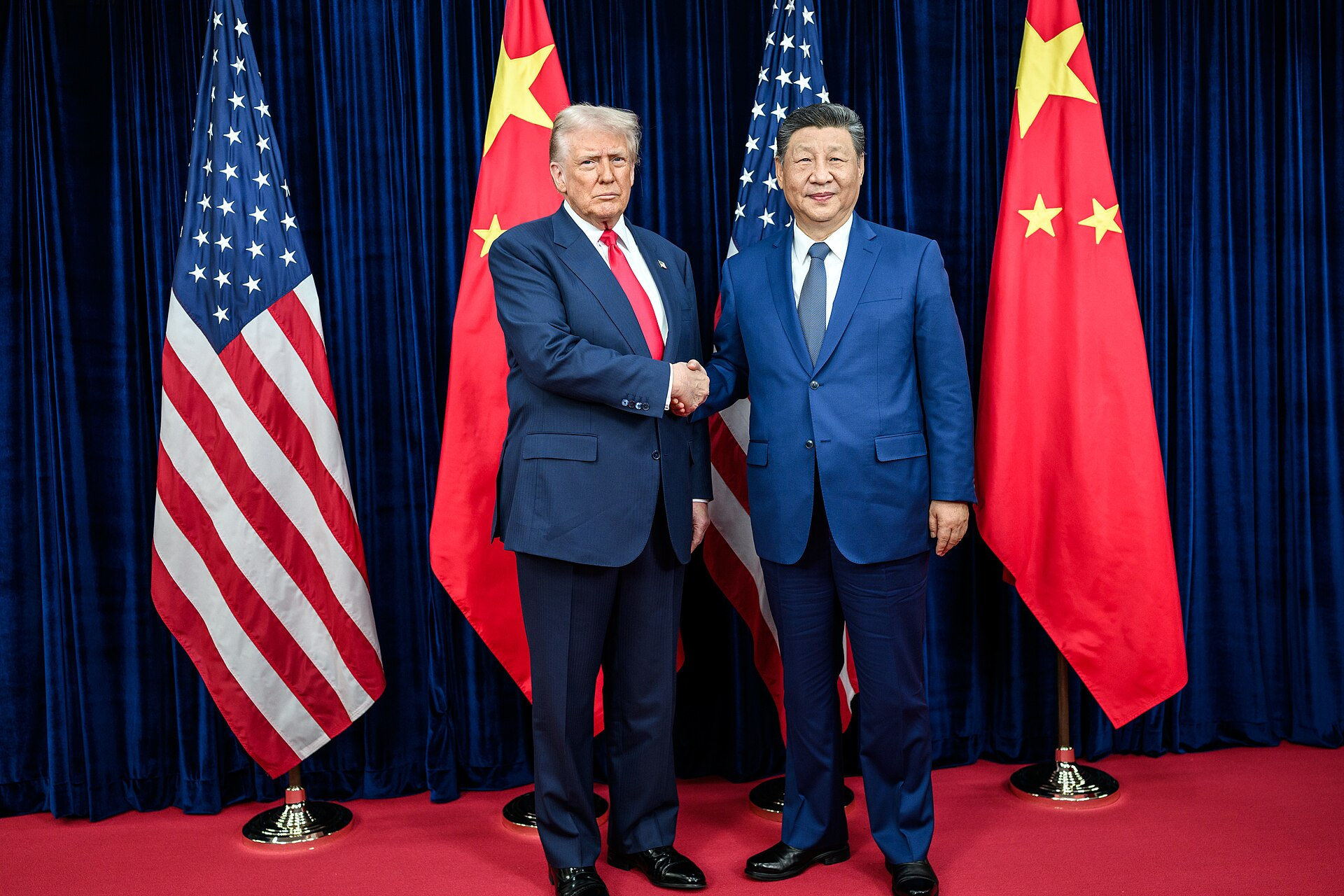
Xi Jinping’s first state visit to the United States as Chinese leader in 11 years began with a rare gesture: Donald Trump greeted him on the tarmac at Joint Base Andrews, the first such presidential welcome since John F. Kennedy received UK Prime Minister Harold Macmillan in 1962. The pageantry was abundant. Little concrete progress emerged on key dividing issues.
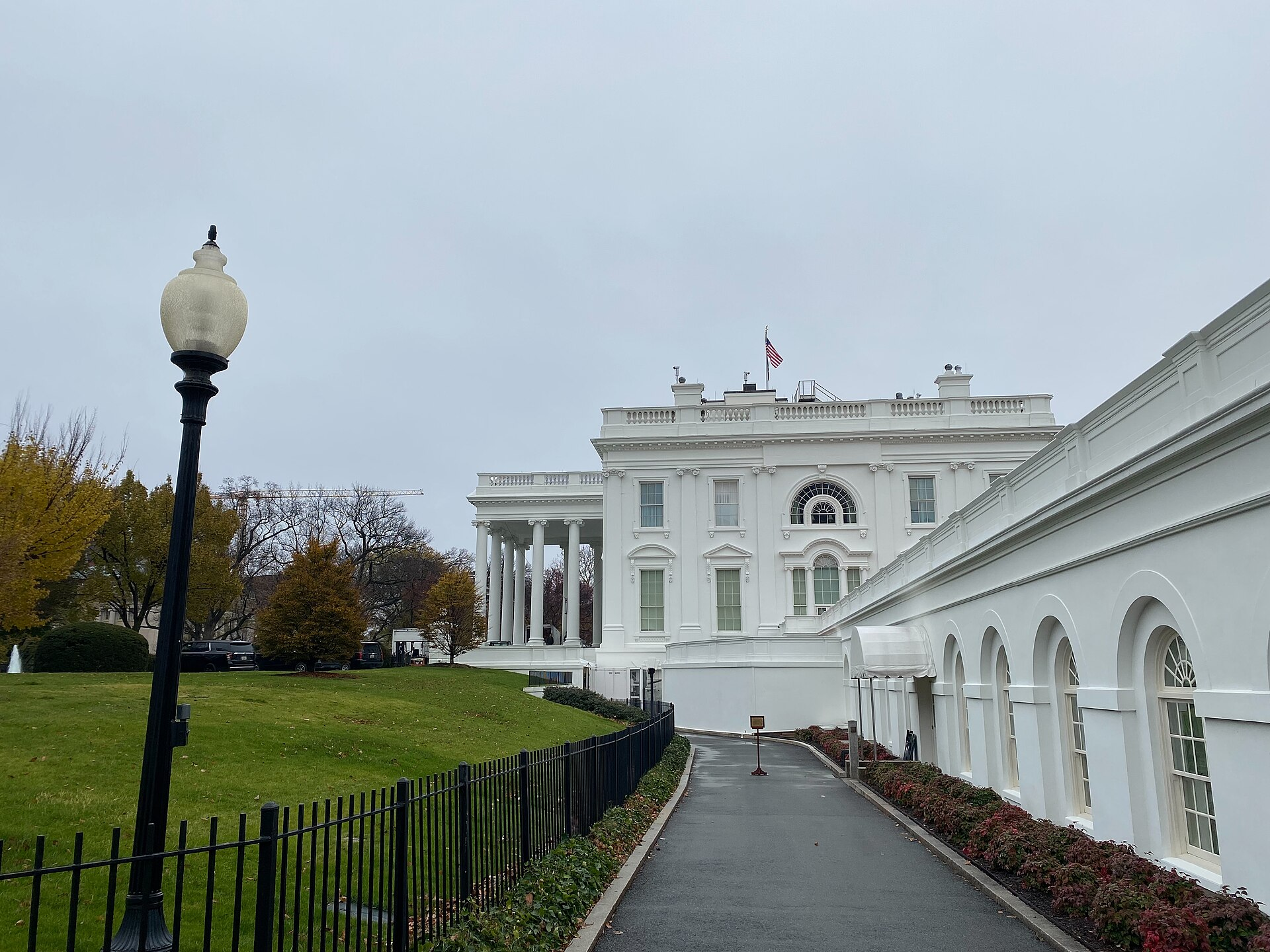
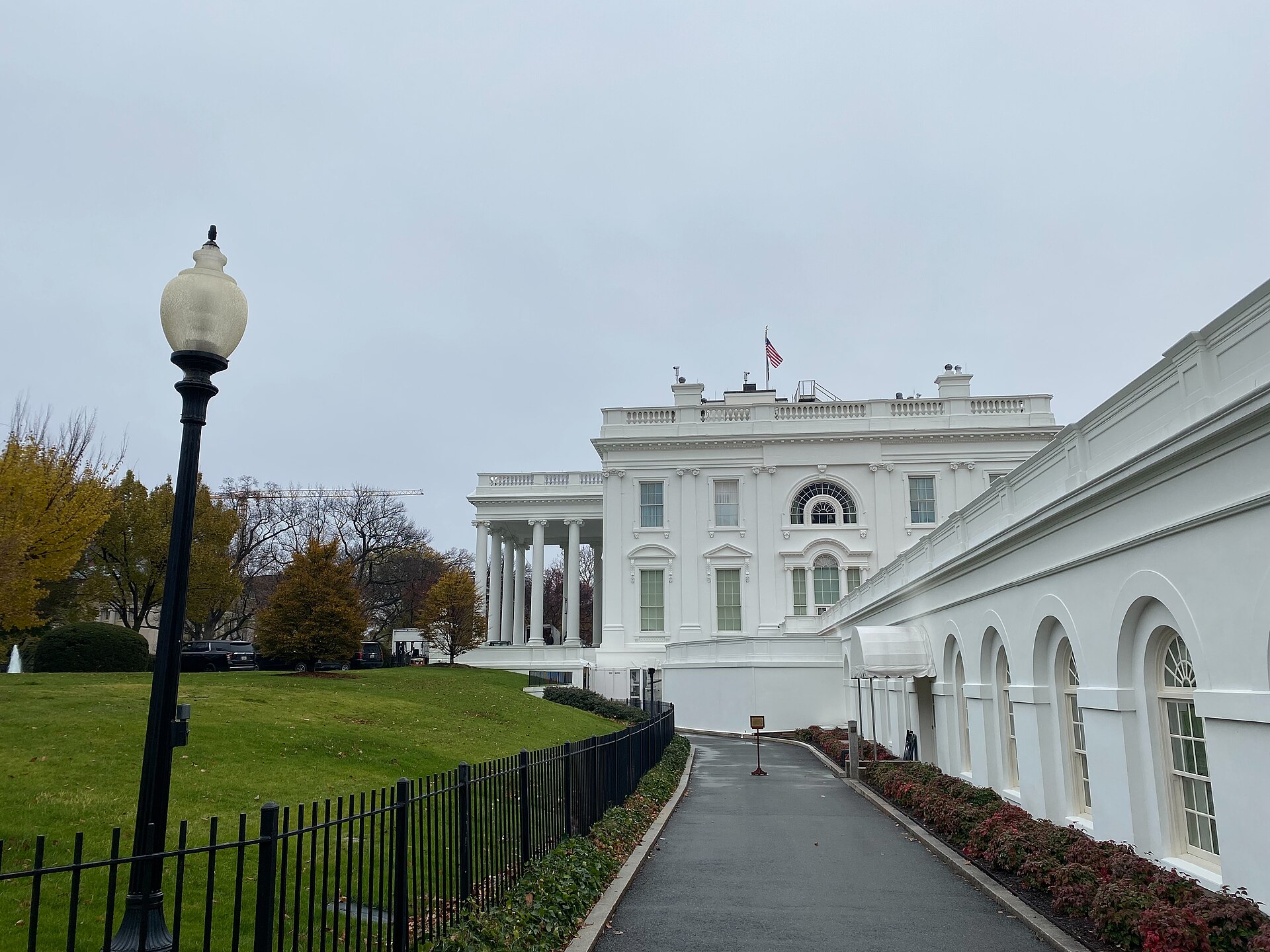
The warmth was on full display at a White House state dinner, where both leaders exchanged complimentary rhetoric and toasted to what Trump called a future of “harmony, peace and success.” Behind the camaraderie, the visit extended a fragile trade war truce for another two months but delivered little significant shift in relations. It was the third time Trump and Xi had met face to face in less than a year.
AI dialogue and a ‘red phone’ for superintelligence
Xi told Trump that AI must be kept under human control and called for a people-centered approach, according to a Chinese readout. That readout also stated Trump said the two sides should “maintain dialogue and strengthen cooperation on AI,” though the US government had not issued its own readout as of publication. Earlier Thursday, Trump posted to Truth Social that “Super Intelligence (SI) will be a big topic of discussion, but I want to leave it exactly where it is. That is China’s position also.” Over the weekend, Treasury Secretary Scott Bessent discussed a US-China AI dialogue with Chinese counterpart He Lifeng, including a channel for incidents up to a national security level. That channel has been compared to the Cold War-era “red phone” between the US and Russia. Both administrations had rejected the idea of guardrails or a slowdown in AI development, which OpenAI’s Sam Altman and Anthropic’s Dario Amodei had called for. “It appears we ended up with an intent to continue dialogue, along with a hotline of some sort for emergencies,” said Aalok Mehta, director of the Wadhwani AI Center at CSIS. Mehta added that the hotline could become a strong tool if paired with a proper incident reporting system, but said that would take real commitment and high-level engagement from both sides.
US export controls restricting China’s ability to import advanced Nvidia chips remained a sticking point, and there was no indication the visit resolved the dispute. Chinese companies reportedly had remote access to Nvidia chips via overseas data centers, and the US claimed distillation was occurring — friction that could have made for a tense conversation behind closed doors.
Tech world descends on the White House
Tech CEOs and business leaders who attended the state dinner included Apple’s Tim Cook, Nvidia’s Jensen Huang, OpenAI’s Sam Altman, Elon Musk, and Google’s Sundar Pichai. AMD’s Lisa Su, OpenAI president Greg Brockman, Google cofounder Sergey Brin, and Microsoft boss Satya Nadella were also on the list. Trump presented Xi with a sculpture of a bald eagle, saying it embodied “the free and soaring spirit of America,” and noting that First Lady Melania Trump had participated in its design. According to the BBC, the wine selection included Schramsberg Blanc De Noir, a nod to Richard Nixon’s 1972 “Toast to Peace” with Chinese Premier Zhou Enlai, when a bottle from the same vineyard was used. The state dinner menu featured sea bass and crémeux for dessert.
Taiwan tensions persist
Xi urged Trump to take the “correct position” on Taiwan, according to Chinese state media. Trump had delayed approving a $14bn arms package for Taiwan after Xi warned in May that mishandling the issue could cause the two countries to collide or even enter into conflict. Trump called the package a “very good negotiating chip” with Beijing.
Trade truce holds, deficits widen
According to Al Jazeera, Trump upped tariffs on Chinese goods early in his second term, accusing China of facilitating fentanyl flow to the US. Beijing responded with its own levies and restricted rare-earth exports. Tariffs had headed towards 150 percent by each side before being paused in October last year. Between May and July 2025, the US recorded a combined goods trade deficit of about $277bn, according to Census Bureau data. In the same period in 2026, that figure reached $325bn, an increase of 17.4 percent. China’s total goods exports rose 6.1 percent in 2025, reaching about $3.77 trillion, according to China’s National Bureau of Statistics. China holds 60 percent of the world’s known rare earth deposits and processes 90 percent of them. During the trade war, China restricted exports of seven of 12 rare earth minerals in April and threatened to restrict five more before the truce delayed that move.
US national debt hit a record $40 trillion this year, two years ahead of expectations. Einar Tangen, a senior fellow at the Center for International Governance Innovation, told Al Jazeera that Washington was playing a high-stakes game of economic chicken with a $40 trillion debt load, an inflationary sword of Damocles, and zero fiscal cushion to absorb a truce collapse.
Protesters shouted from outside the White House gates during the arrival, and some were arrested.
Sources & methods
- BBC News reporting on the state dinner, guest list, Taiwan tensions, wine selection, and protest activity Archived Sep 25, 2026
- CNBC reporting on AI talks, the proposed dialogue channel, Nvidia export controls, and tech-industry attendance Archived Sep 25, 2026
- Al Jazeera reporting on the tarmac greeting, trade war timeline, tariff levels, deficit figures, rare earth restrictions, and US national debt Archived Sep 25, 2026
This article synthesizes reporting from three news organizations covering the Trump-Xi state visit. Corroborated facts appearing in two or more sources are presented without attribution; single-source facts are attributed or contextualized accordingly. The Chinese government readout is the sole basis for Trump’s reported remarks on AI cooperation, as the US government had not issued its own readout at the time of publication. The Schramsberg wine detail and its Nixon-era connection are attributed to BBC reporting. The fentanyl accusation, the 150 percent tariff figure, and the October truce timing are attributed to Al Jazeera. Trade deficit figures are sourced to Census Bureau data, and Chinese export figures to China’s National Bureau of Statistics, as reported by Al Jazeera.