Xi and Trump extend trade truce and open AI dialogue, but Taiwan and chip curbs remain unresolved
A White House summit yielded a modest trade truce extension and a framework for AI talks, yet Xi’s red line on Taiwan arms sales and U.S. semiconductor restrictions exposed the limits of stabilization efforts.
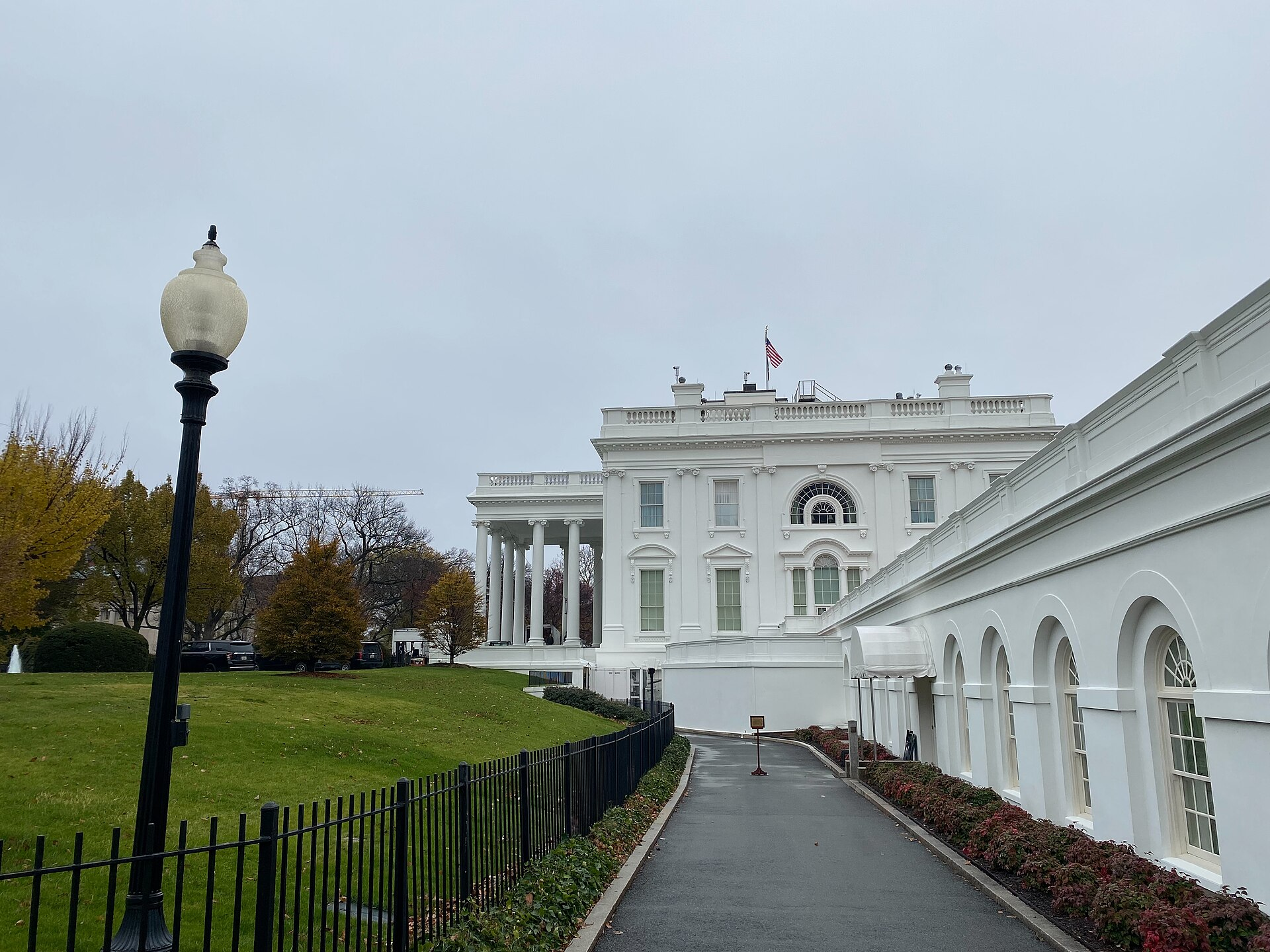
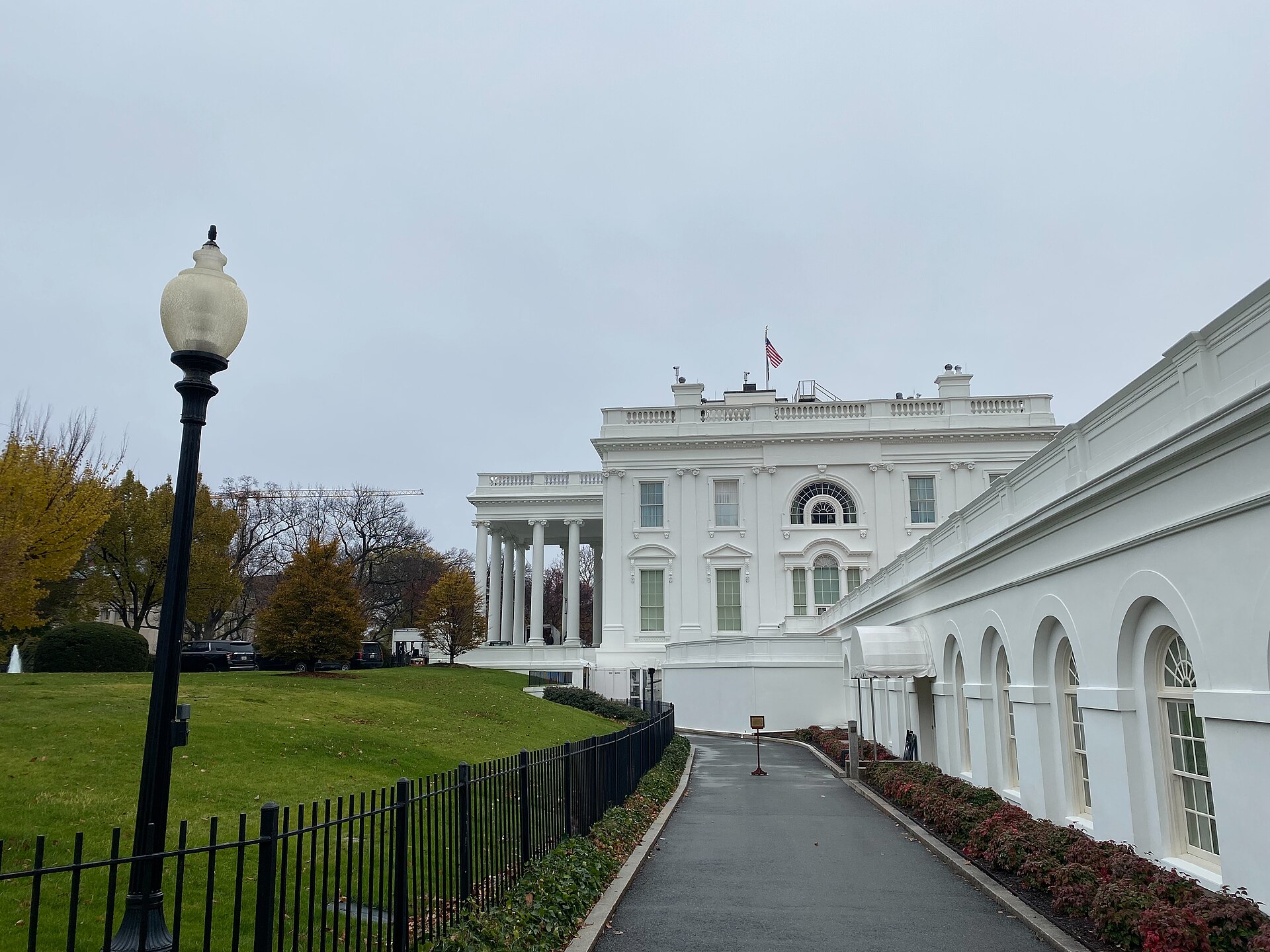
Xi Jinping met Trump at the White House on Thursday for a summit that addressed trade, Taiwan, and artificial intelligence as the two superpowers sought greater dialogue amid deep differences.
A trade truce aimed at keeping tariffs lower was extended beyond its previous November expiration date. But the reprieve was narrow. The truce was extended only a few months, to January, and Beijing had hoped for at least a year. The gap left key disputes over tariffs and access to advanced U.S. chips kicked into yet another round of negotiations.
Taiwan remains a red line
Xi raised Taiwan as a key issue, with U.S. arms sales to Taiwan a red line for China. He reiterated his hope that the U.S. would adhere to the “correct position” of opposing Taiwan independence. In May, Xi warned Trump that mishandling Taiwan could cause the two countries to “collide or even enter into conflict.” Trump had earlier delayed approval of a $14 billion arms package for Taiwan, calling it a “very good negotiating chip” with Beijing.
AI dialogue amid chip restrictions
Xi emphasized keeping AI under human control. He told Trump there is more opportunity for cooperation than competition on AI, according to a state media readout. China’s Commerce Ministry confirmed that its senior trade negotiators held their first talks with the U.S. on AI, and Bessent said the U.S. proposed an alert system for AI incidents following a meeting with Chinese negotiators in New York. The U.S. has restricted China’s access to advanced semiconductors for AI. Trump called AI “superintelligence,” a term he introduced in his UN General Assembly speech on Tuesday. He has dismissed fears of human extinction from AI as a “hoax.”
Xi invoked the “Thucydides trap” concept. He said it can be overcome. “We should coexist in peace,” Xi said. “China and the United States, as two major countries, stand to gain from cooperation and will both lose in confrontation. Our two militaries should maintain regular dialog and improve mechanisms for crisis communication and prevention.” He referenced both countries’ national goals as potentially mutually reinforcing. Trump described his relationship with Xi as a great friendship. He said they represent different systems but the ties between their people endure and they have never gotten along better.
Tech titans at the state dinner
Trump hosted Xi at a state dinner on Thursday night, with a guest list heavy on technology executives. Nvidia CEO Jensen Huang, OpenAI CEO Sam Altman, and Tesla and SpaceX CEO Elon Musk attended, as did Apple CEO Tim Cook, Amazon founder Jeff Bezos, and LVMH CEO Bernard Arnault. Trump had personally greeted Xi and Peng Liyuan upon their arrival at Andrews, an unusual step for a president. Xi announced that pandas Ping Ping and Fu Shuang will arrive in Atlanta in a few days. He also proposed inviting 100,000 young Americans to visit China on student exchanges.
Xi and Trump are scheduled to have tea and visit the national archives on Friday. Xi’s visit to Washington is his first in more than a decade and a three-day visit.
Sources & methods
- BBC News, reporting on the summit's trade, Taiwan, and AI dimensions Archived Sep 25, 2026
- The Guardian, reporting on Xi's calls for cooperation and the Thucydides trap Archived Sep 25, 2026
- Al Jazeera, reporting on the state dinner and Xi's three-day visit Archived Sep 25, 2026
- CNBC, reporting on Xi's AI remarks and the first U.S.-China AI talks Archived Sep 25, 2026
Reporting drawn from four published accounts of the Xi-Trump White House summit, cross-referenced for corroborated facts. Claims that could not be verified across sources were removed.