FCC bans new foreign humanoid robots and power inverters over national security risks
The Trump administration move targets advanced robotic devices and connected power inverters, citing surveillance and cyberattack concerns in the escalating US-China technology competition.
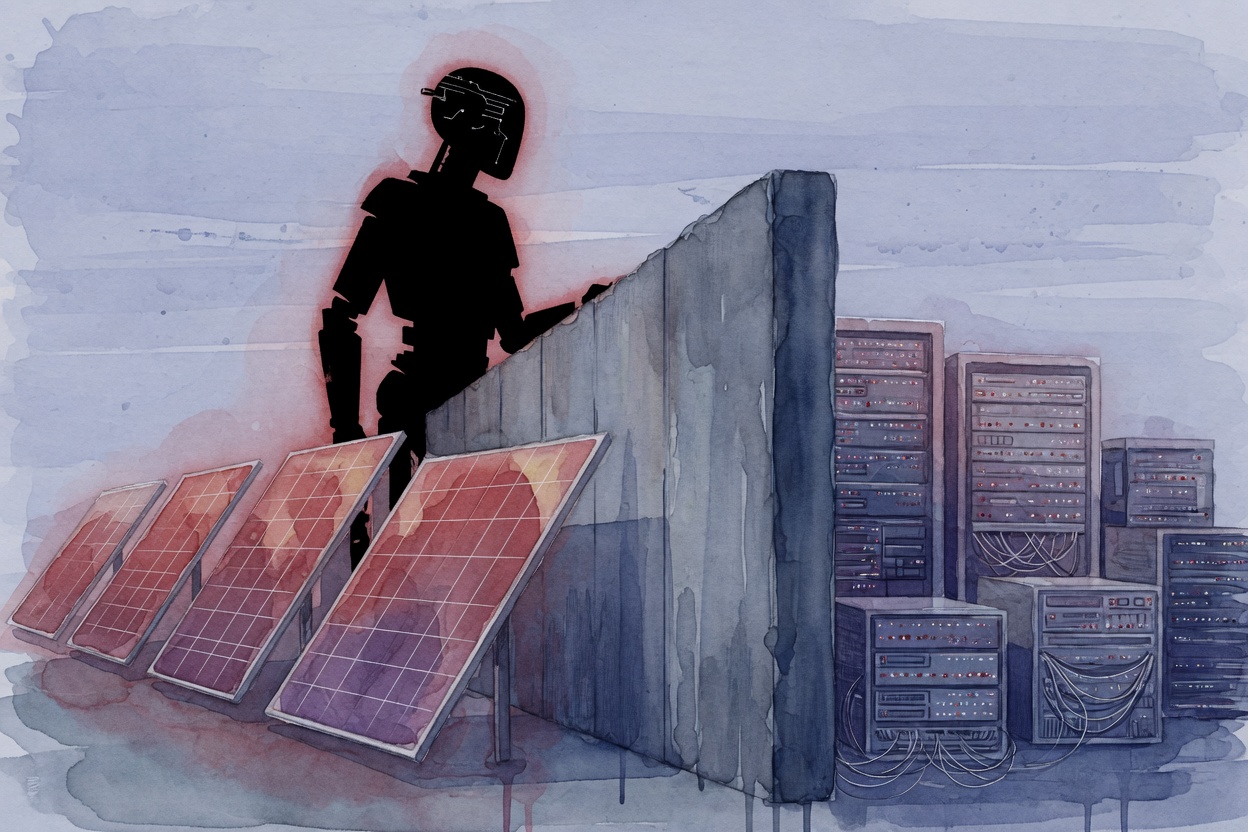
The Federal Communications Commission on Tuesday banned new foreign-made humanoid robots and advanced robotic devices from the US market, citing “unacceptable risks” to national security. The prohibition also covers connected power inverters. The move intensifies the Trump administration’s effort to keep Chinese technology out of the country as Beijing competes with Washington to develop robotics and artificial intelligence.
Existing models previously authorized by the FCC are unaffected by the ban. The agency added the targeted items to its Covered List, a register of goods and services deemed a risk to US national security. However, the FCC has the authority to revoke authorizations for sales of models already authorized for purchase in the US.
FCC chairman Brendan Carr said the agency was doing its part “to secure America’s critical supply chains.” The FCC defines banned robots as “advanced robotic devices,” which include humanoids and animal-like quadrupeds. According to the agency, these machines collect data that could allow “malign actors to surveil Americans, enhance the capabilities of foreign intelligence services, or to remotely commandeer the robots.” The FCC also cited concerns that foreign-made inverters could allow overseas firms to turn them off, steal data, facilitate remote access and surveillance by foreign government actors, or be exploited through a cyberattack.
What the ban covers
An FCC FAQ page defines an advanced robotic device as a machine capable of locomotion, obstacle avoidance, navigation, or movement on the ground. It must have a sensor that perceives the surrounding environment. It must also weigh more than 4.4 pounds, including its docking station if it has one. By that definition, even future robot vacuums would be banned unless they obtain a waiver.
The ban extends beyond walking robots. The National Security Determination justifying the move mentions reporting on the poor security of a DJI robovac. Though the FCC says the move is not targeted at a specific country, it will have a major impact on China, which is ramping up efforts to produce humanoid robots.
Chinese technology firms have rapidly developed humanoid robots for use in factories and homes, marketing their machines ahead of US rivals such as Tesla and Boston Dynamics. China is also the world’s largest maker of power inverters, led by Sungrow Power Supply and Huawei, both already heavily sanctioned by the US.
Beijing pushes back
The Chinese embassy in Washington said Beijing has long opposed what it called the politicization of trade issues and sanctions based on “groundless pretexts.” It called on the US to “abandon its hegemonic mindset, and stop smearing Chinese companies and threatening them with sanctions.” Beijing will “take all necessary measures” in response to any moves that harm its interests, the embassy said, urging all countries to work together to develop AI “for the positive and for good.”
The Chinese government has said its development of AI was “the result of its own dedication and effort as well as international cooperation.” The BBC contacted major Chinese robot manufacturers Unitree, UBTech, and AgiBot for comment. US Treasury Secretary Scott Bessent has warned that Chinese AI firms could face sanctions over allegations that they have stolen American intellectual property. Washington has also blocked the sale of advanced US semiconductors to China in a bid to protect national security, slow Beijing’s military modernization, and maintain America’s lead in artificial intelligence.
China’s exports have come under intense scrutiny as the Trump administration attempts to address trade imbalances with the world’s second largest economy. Despite being the world’s biggest exporter of electric vehicles, China has been effectively shut out of the American market by a steep tariff. The US will be keen to avoid a repeat of the squeeze on supply chains triggered last year when China tightened export controls on rare earths, which are critical for electronics.
The restrictions point to the administration’s goal of promoting technology made in the US. An administration official told Reuters that the president has made clear the United States must have independent and secure supply chains for critical and emerging technologies. The official added that “economic security is national security” and that the administration continues to implement a policy agenda to reindustrialize America. Companies can request a waiver to keep bringing new products into the US, but the application does not require improvements to the security of those robots or inverters.
Sources tell Reuters the FCC is expected to exempt many non-Chinese suppliers. Every applicant must provide a detailed plan to start manufacturing the devices in the United States. The FCC says all robots and power inverters can keep getting security and compatibility updates thanks to an additional waiver, though The Verge reports the agency is once again misleading the public about how those updates work.
Sources & methods
- BBC News article on the Trump administration's ban of new Chinese humanoid robots and power inverters, including FCC statements, Chinese embassy response, and broader US-China trade context Archived Jul 29, 2026
- The Guardian article on the FCC ban covering humanoid robots from China, with details on the administration's reindustrialization goals, inverter market dynamics, and FCC revocation authority Archived Jul 29, 2026
- The Verge article on the US ban of foreign robots, including FCC FAQ definitions of advanced robotic devices, waiver requirements, security update provisions, and expected exemptions for non-Chinese suppliers Archived Jul 29, 2026
This article was reported using three published sources covering the FCC announcement, with cross-referencing of details across BBC, The Guardian, and The Verge reporting. Direct quotes were verified against source texts.