Federal judge rejects DOJ bid to break up Google’s ad business but orders operational changes
The ruling marks the third failed attempt by US antitrust enforcers to force a Big Tech breakup. Google must still alter how it runs its advertising technology stack.
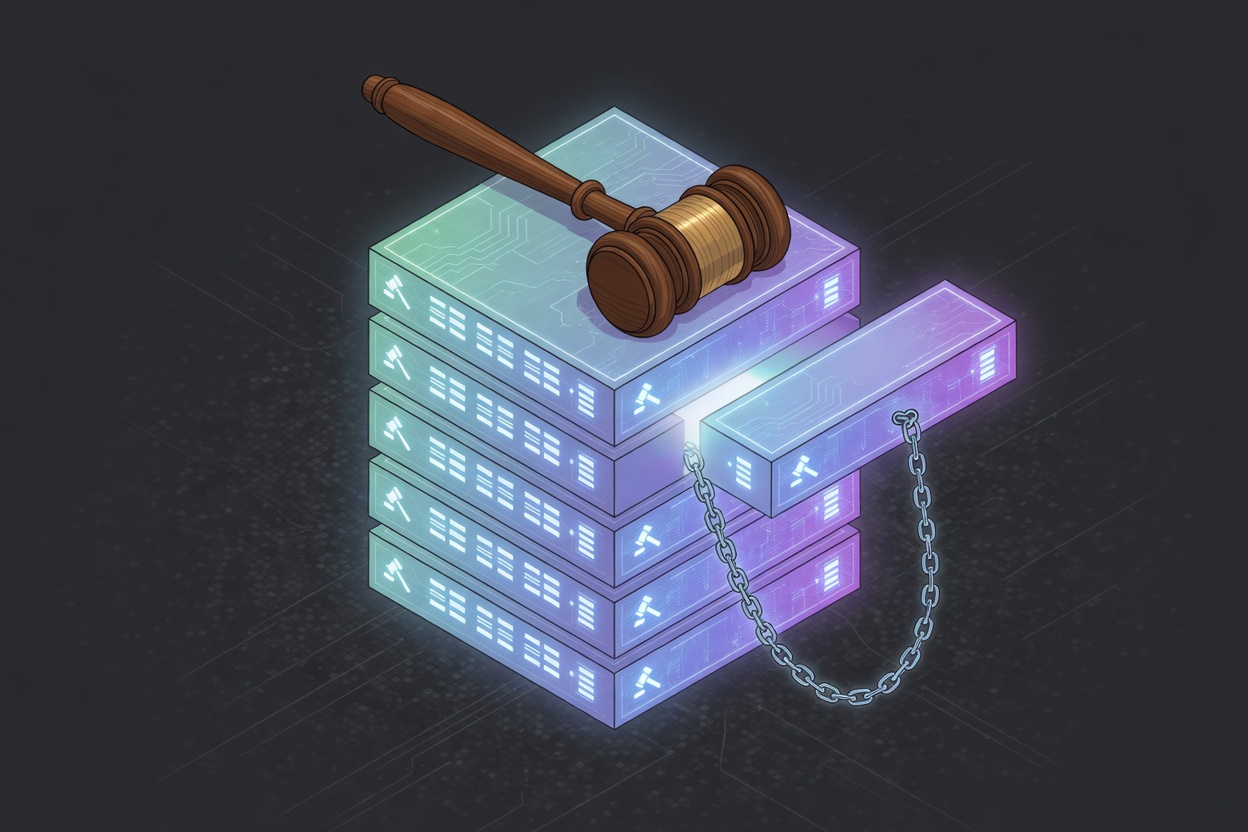
A federal judge in Virginia declined to force Google to sell its advertising exchange, rejecting the Justice Department’s breakup bid while ordering changes to how the company operates the business after finding it acted illegally.
The decision marks the third time in recent years that US antitrust enforcers have tried to force a Big Tech breakup and lost. Judge Leonie Brinkema of the Eastern District of Virginia accepted behavioral remedies instead of a structural divestiture. Her full written opinion remains under seal for 14 days to allow those involved to issue necessary redactions. The reasoning behind the decision was not immediately made public.
What the case targeted
The case focused on Google’s ad tech stack, the suite of tools that website publishers use to sell ads and advertisers use to buy them. The government portrayed Google as simultaneously controlling multiple sides of the digital advertising marketplace, owning the platform that publishers use to sell ads as well as the exchange where transactions occur, all while commanding huge advertiser demand. Brinkema ruled last year that Google had willfully monopolized both the publisher ad server market and the ad exchange market. She found that Google had unlawfully tied its publisher ad server, Doubleclick for Publishers, and its AdX ad exchange together in an anticompetitive manner that made it nearly impossible for customers to leave, degrading any competition. The DOJ failed to prove Google illegally monopolized a market for advertiser-side tools.
Prosecutors sought the sale of AdX, where publishers pay Google a 20 percent fee to sell ads in auctions that happen instantly when users load websites, and the open-sourcing of critical auction technology. The DOJ had argued Google could not be trusted to run the online advertising exchange after Brinkema ruled that Google had illegally quashed competition. Google called the proposed remedies extreme government overreach that would harm publishers, advertisers, and consumers. The company also argued that splitting up the service would be technically unfeasible.
Behavioral remedies instead of breakup
Brinkema said she would adopt most of the behavioral changes proposed by the parties, with some modifications. The details remain hidden. The changes will not become public until the parties meet to work out additional proposed revisions and review the opinion for confidential information that must be redacted. The remedies could include restricting Google from using self-preferencing ad auction tactics or letting third-party ad tech tools access the same real-time information as Google. She gave the two sides 30 days to submit a joint proposed final judgement.
Both sides claimed victory. Google welcomed the decision. “We’re very pleased the court rejected the DOJ’s proposal to break apart tools that help small businesses reach new customers and grow,” said Lee-Anne Mulholland, Google’s vice president for regulatory affairs. The DOJ said in a post on X that it was “pleased that the court ordered substantial relief” and called the ruling “one step closer to restoring competition and bringing relief for the American people in online advertising markets.” The department said it is evaluating appropriate next steps. DOJ Associate Attorney General Stanley Woodward Jr. added that the timing of the court’s order reflects the tradeoffs between immediate relief and remedies obtained through years of litigation.
AdX is a small part of Google’s business. The company’s shares pared gains slightly after the ruling and were up 0.6 percent. Google has said it will appeal the underlying liability ruling, though the company can make that decision once the final opinion becomes public, as it recently did for a separate judgement that it had monopolized the online search market.
A pattern of rejected breakups
The ruling fits a broader pattern. A federal judge in Washington last year rejected an attempt by the Federal Trade Commission to make Meta Platforms sell off Instagram and WhatsApp. The judge said the agency failed to prove that Meta holds a monopoly in a social media landscape that has shifted drastically since the case was brought in 2020. The FTC has filed an appeal. Judge Amit Mehta previously ruled that Google holds an illegal monopoly in online search. He rejected the DOJ’s bid to make the company sell its Chrome browser, opting instead for Google to share data with competitors and alter its behavior. Google is currently appealing those remedies.
Sacha Haworth, executive director of The Tech Oversight Project, said the rulings “prove that the courts alone will not save us from Big Tech.” The advocacy group has proposed legislation aimed at restoring competition in digital advertising. The remedies decision concludes the district court phase of the third major tech monopoly case brought by the federal government in recent years. Trials between federal enforcers and Amazon and Apple are expected to take place in the coming years.
Sources & methods
- Al Jazeera report on Judge Brinkema's ruling declining to break up Google's ad business, including quotes from Google and the DOJ, and context on prior failed Big Tech breakup attempts. Archived Sep 2, 2026
- The Verge report on the remedies decision, detailing the behavioral changes Brinkema adopted, the specific ad tech markets at issue, and the broader landscape of federal tech monopoly cases. Archived Sep 2, 2026
- TechCrunch report on the ruling, providing background on the two separate DOJ antitrust lawsuits against Google and the timeline of prior court findings. Archived Sep 2, 2026
This article was assembled from three published reports on the federal court ruling. No additional reporting or original interviews were conducted.