Two U.S. destroyers run an Iranian gauntlet to open the Strait of Hormuz to commercial traffic
The U.S. military launched Project Freedom on Monday, sending the USS Truxtun and USS Mason through the strait under missile, drone and small-boat fire. Two American-flagged merchant ships made the same transit hours later.
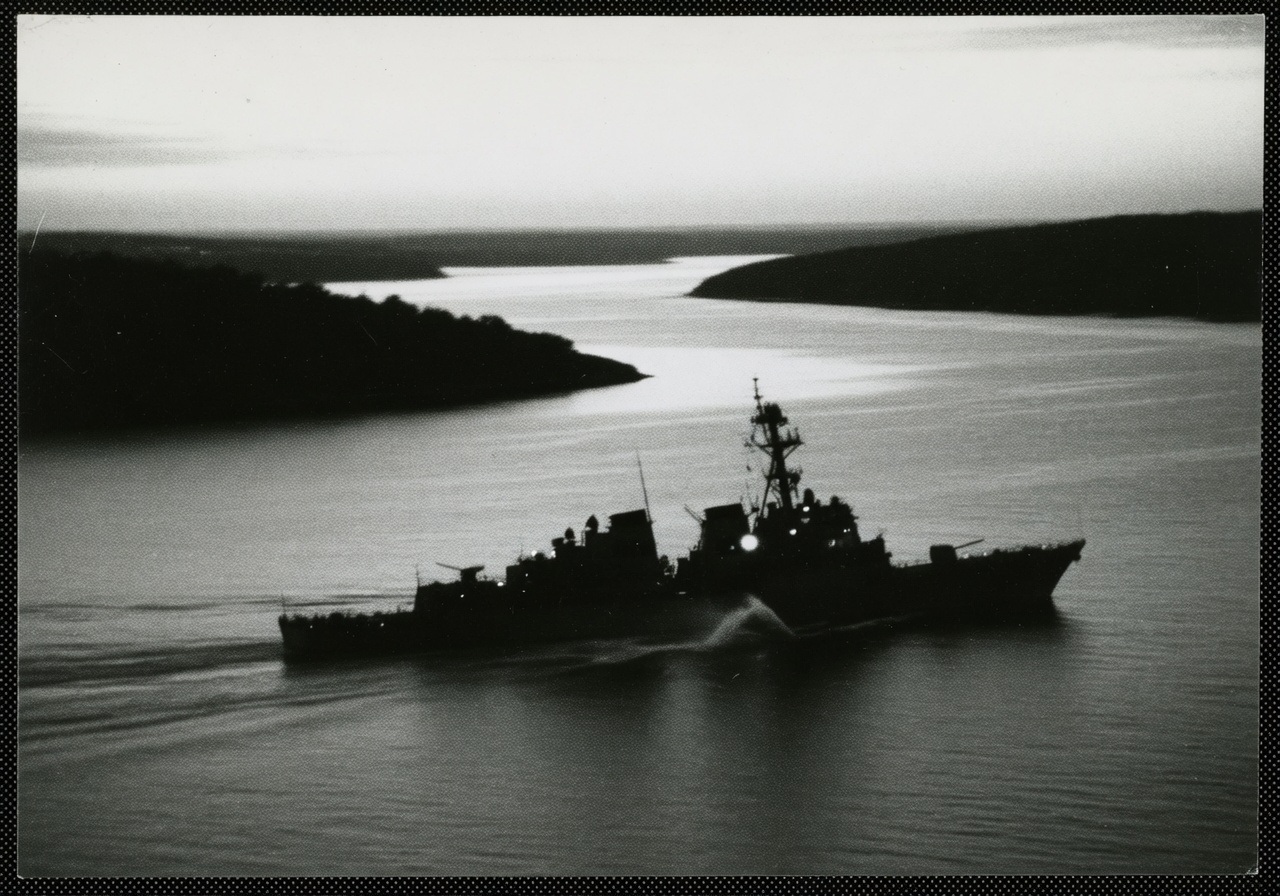
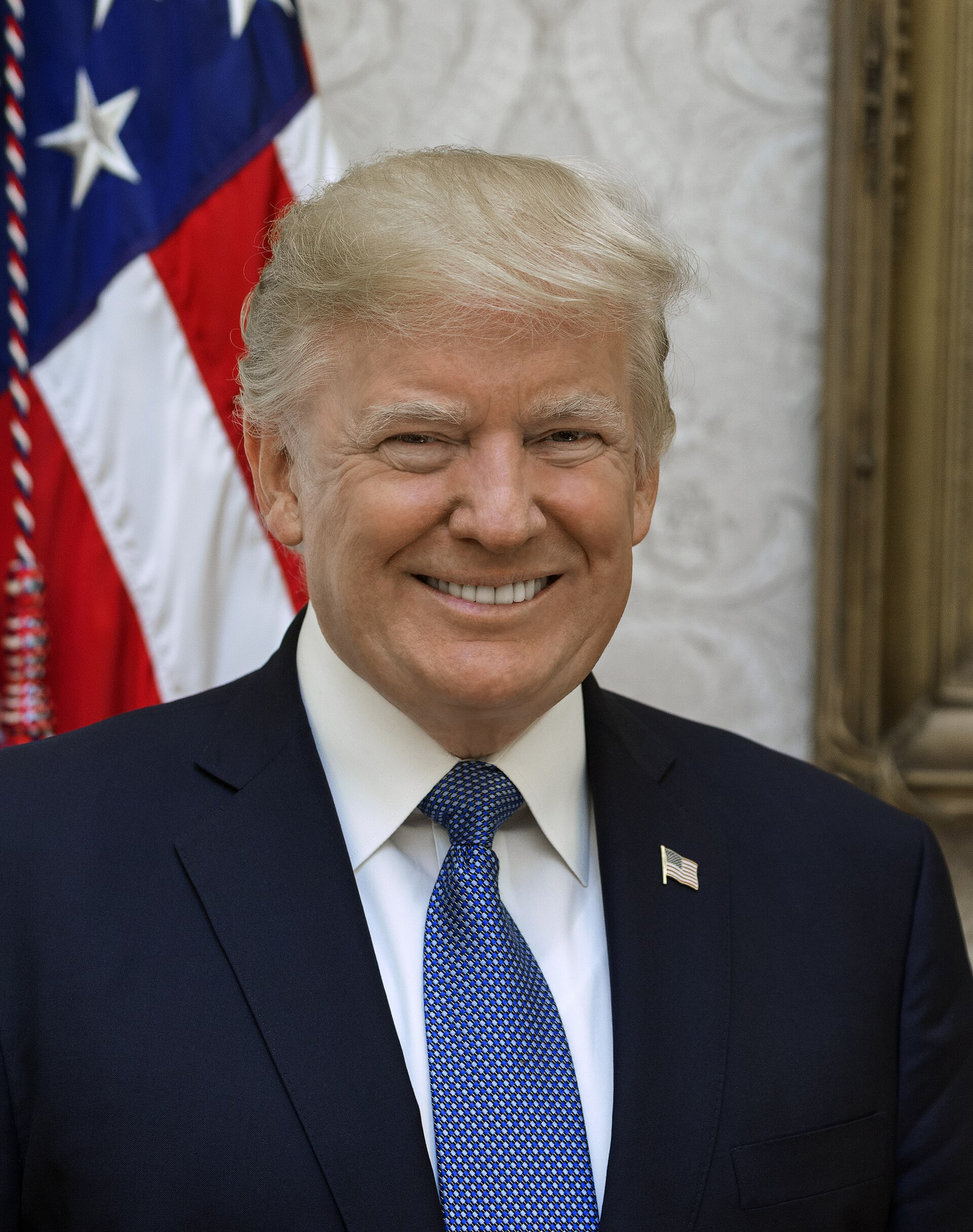
The U.S. military opened the Strait of Hormuz to commercial transit on Monday morning local time, running two guided-missile destroyers through the waterway under live fire and clearing a path for the first American-flagged merchant ships to leave the Persian Gulf in weeks. U.S. Central Command said the operation, named Project Freedom, will continue in support of neutral shipping. President Trump announced the mission Sunday night on Truth Social. Iranian forces attacked the transit and lost seven fast-attack craft. Neither U.S. warship was hit.
CENTCOM put the support package on the record in a Monday press release: guided-missile destroyers, more than 100 land- and sea-based aircraft, multi-domain unmanned platforms, and roughly 15,000 service members. The destroyers identified in the morning’s transit were the USS Truxtun and the USS Mason. Both ships entered the Persian Gulf after a multi-vector engagement with Iranian small boats, missiles and drones, backed by fighter aircraft and AH-64 Apache helicopters. CENTCOM said its forces destroyed seven Iranian fast-attack craft during the encounter. Iranian state media said the strait would not be opened on U.S. terms.
What the operation actually does
Project Freedom is not a convoy operation in the classic sense. The U.S. Navy is not putting warships alongside commercial vessels. CENTCOM said its destroyers will remain in the vicinity of transiting ships and provide route information through coordinated maritime lanes; the merchant vessels move under their own power and their own insurance. Two U.S.-flagged ships transited the strait Monday after the destroyers cleared it. CENTCOM said hundreds more vessels were being sequenced.
The distinction matters because it sets the legal and operational ceiling on the mission. A non-escort posture lets Washington argue, in any subsequent dispute, that it is supporting freedom of navigation rather than waging an active naval campaign on behalf of foreign-flagged hulls. It also lets shipping companies make their own risk calls; insurers, not Pentagon planners, decide which bottoms move.
U.S. Central Command forces began supporting Project Freedom on May 4 to restore freedom of navigation for commercial shipping through the Strait of Hormuz. — U.S. Central Command, press release, May 4, 2026
What broke open the strait
The waterway has been effectively closed to most commercial traffic since the U.S.-Israel-Iran conflict opened earlier this year. A Pakistan-brokered ceasefire in April included a passage clause that did not hold in practice; the International Transport Workers’ Federation has put the trapped count at roughly 20,000 seafarers aboard about 2,000 vessels. Brent crude closed above $118 a barrel on April 29, and U.S. retail gasoline reached $4.45 a gallon over the weekend, according to Democracy Now’s Monday headline summary, a 50 percent jump since the war began. Those two numbers — oil and pump — are the political pressure the operation is meant to relieve.
Trump described the mission on Truth Social Sunday night as a guided transit for ships from “neutral and innocent” countries. The State Department has not published a list of which flags qualify; CENTCOM’s release on Monday did not draw a distinction. The first two confirmed transits were U.S.-flagged.
Iran’s response, and the immediate risk
Iranian state media said the navy struck a U.S. Navy vessel with two missiles during the Monday transit. U.S. Central Command denied any hit. Open-source reporting by CBS News and Maritime Executive, based on imagery and statements from both governments, said neither destroyer was struck and that the Iranian losses ran to seven small craft. Iran’s Foreign Ministry said the country would attack American ships entering the strait; the Revolutionary Guard separately said passage through Hormuz would be ensured, a line that Reuters and Euronews coverage flagged as a mixed signal pointing toward de-escalation.
The harder operational problem sits with the commercial fleet, not the destroyers. Reinsurance markets have repriced Persian Gulf transits at war-risk premiums since the strait closed; the largest tanker owners, who set the floor on global crude movement, will not move on a 24-hour signal. Breaking Defense analysts cited Monday said Project Freedom was unlikely to clear backlog at scale in its first week even if no further shots are fired.
What to watch this week
Three indicators carry the story forward. First, the daily transit count: CENTCOM said hundreds of ships were sequenced; the count actually clearing the strait is the operational truth. Second, Brent and U.S. retail gasoline: if the price line holds above $115 and $4.40 by Friday, the operation has not yet relieved the supply pressure. Third, the Trump administration’s next public posture toward Tehran. The president told reporters Sunday that “great progress” had been made toward a peace deal; the Iranian foreign minister said one was “just inches away” but accused U.S. negotiators of making maximalist demands. Either side could blow up the talks in a sentence.
The Pentagon did not say how long Project Freedom will run. Defense Department spokesman Sean Parnell, in the same statement that announced last week’s withdrawal of 5,000 U.S. troops from Germany, said the European posture review was separate from Gulf operations. The carrier and destroyer commitment in the Gulf is, for now, open-ended.
Sources & methods
- U.S. Central Command · Press release, “U.S. Military Supports Launch of Project Freedom in Strait of Hormuz,” May 4, 2026.
- U.S. Department of War · News story, “Project Freedom Aims to Get Thousands of Commercial Ships Safely Through Strait of Hormuz.”
- CBS News · Two U.S. Navy destroyers transit the Strait of Hormuz after dodging Iranian onslaught. Archived May 16, 2026
- CNN · Project Freedom, Trump’s plan to guide ships through the Strait of Hormuz, May 4, 2026. Archived May 16, 2026
- Fox News Digital · Live updates, Trump announces Project Freedom to guide ships through the Strait of Hormuz. Archived May 16, 2026
- Axios · Trump says U.S. Navy will escort ships out of the Strait of Hormuz from Monday, May 3, 2026.
- The Maritime Executive · Iran attacked two U.S. Navy destroyers during the first day of Project Freedom. Archived May 16, 2026
- Breaking Defense · Project Freedom unlikely to pay off in the Strait of Hormuz right away, analysts say.
- TIME · What to know about Trump’s plan to guide ships out of the Strait of Hormuz, May 4, 2026. Archived May 16, 2026
- S&P Global Commodity Insights · Ten ships transit the Strait of Hormuz after the U.S. announces its ship-escort plan.
- Democracy Now! · May 4, 2026 headline summary, retail gasoline and Strait-of-Hormuz developments. Archived May 16, 2026
- Euronews · Iranian Revolutionary Guard statement on Hormuz passage, in the context of subsequent U.S. pause. Archived May 16, 2026
Reporting is based on the May 4 U.S. Central Command press release announcing Project Freedom, on the U.S. Department of War (Pentagon) news story published the same day, on contemporaneous coverage from CBS News, CNN, Fox News Digital, Axios, The Maritime Executive, Breaking Defense, TIME, S&P Global Commodity Insights and Democracy Now!, and on the Euronews report covering the Iranian Revolutionary Guard’s passage statement. Ship identifications (USS Truxtun, USS Mason) and the casualty count for Iranian small craft come from CENTCOM and from CBS News’s reporting based on Pentagon briefings. Oil and retail gasoline figures are drawn from the Democracy Now Monday headline summary and from S&P Global price reporting; both reflect close-of-Friday data prior to publication. The U.S. State Department and the Iranian Foreign Ministry were not asked for comment ahead of this filing; both governments’ Monday statements are quoted from their public channels. No anonymous sourcing was used.