Trump dangles a Sunday deadline between striking Iran and cutting a deal as Tehran blames Washington for the collapse of interim talks and US embassies brace for advanced-stage attack plots
The US-Iran war is nearing its eighth month, with Trump threatening a new round of strikes under the ‘Epic Fury’ codename and floating a diplomatic off-ramp, while Iran warns any attack will draw a response several times greater.
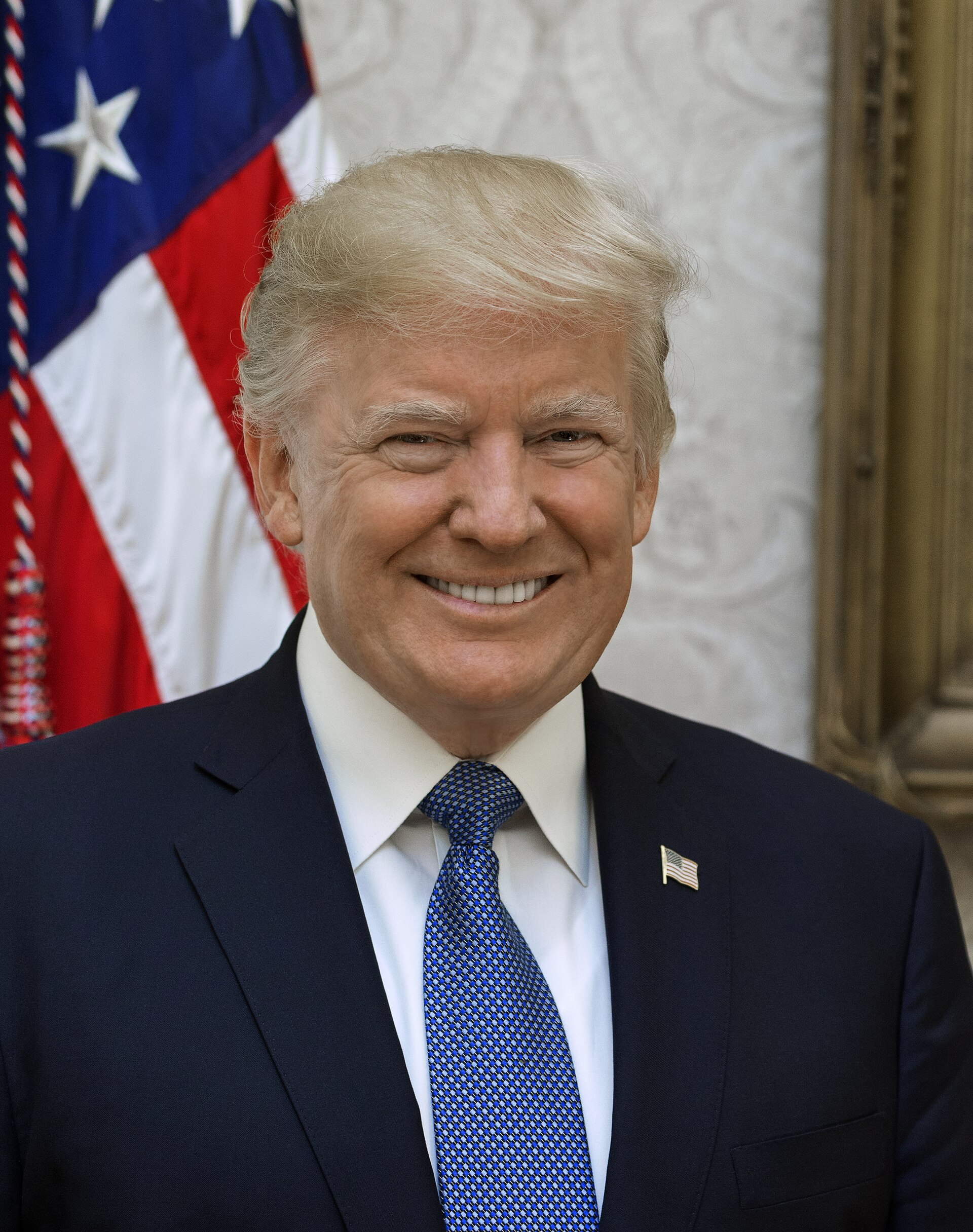
President Donald Trump says the United States is considering a possible attack on Iran as soon as Sunday, or could reach a major deal with Tehran. Washington might have to “finish the job,” Trump said, or it could come to an agreement instead.
Iranian President Masoud Pezeshkian blames the US for the breakdown of interim agreement talks, calling Americans “cowards” who “messed everything up.” He maintains that both sides should return to the deal and conclude it, pressing for a diplomatic resolution even as the prospect of renewed military action looms over the weekend.
Iran warns of retaliation ‘several times greater’
The Islamic Revolutionary Guard Corps warned that even limited strikes would trigger a response “several times greater,” according to the semi-official Fars News Agency. Iranian Armed Forces Chief of Staff Ali Abdollahi said the US military would not be allowed in the Gulf “under any circumstances and at any time.” Trump could only “dream” of seeing US forces enter the Gulf, Abdollahi added, and would take his dream to the grave.
Iranian government spokesperson Fatemeh Mohajerani said Tehran would not “wait for permission to defend itself” and seeks peace but will respond to any aggression with severe consequences. “Our position is clear: we do not flee from dialogue for peace, and we do not hesitate in defending the country. Those who harbour the illusion of destroying Iran must correct their calculations,” Mohajerani wrote in a memo.
US embassies on heightened alert
US embassy officials were on heightened alert around the Middle East as new reports said Iran was in the “advanced stages” of planning attacks against Americans on Friday. A memo from Director of National Intelligence Jay Clayton said agencies had received intelligence that Iran has “substantially increased efforts to target U.S. personnel” in the region, according to a New York Times report, and that the threats applied to “certain other countries” as well. The US ordered non-emergency government employees to leave Saudi Arabia this week as attacks from the Iran-backed Houthis worsened. The Saudi-led coalition fighting the Houthis said it destroyed two ballistic missiles fired by the group, aimed towards Taif and Yanbu.
Oil surges to six-month high
Rising Middle East tensions sent oil prices soaring. Benchmark Brent crude futures topped $116 a barrel, a six-month high. US West Texas Intermediate rose 3.8% to settle over $103 a barrel. The war’s fallout has caused major disruption in the US economy, with inflation and affordability the top concerns for voters.
Political clock on two fronts
Trump referenced taking further military action against Iran, saying on Friday he “may do another little Epic Fury,” using the codename for the US-Israeli war against Iran that started on February 28. The broader war between the US and Tehran is nearing its eighth month. Trump’s Republican Party faces crucial midterm elections on November 3, and the Trump administration has vowed to put off military strikes on Iran after those elections. Israelis are set to choose their next government on Tuesday, and Prime Minister Benjamin Netanyahu has said he remains committed to overthrowing Iran’s government.
Diplomatic channel and its contradictions
An Iranian official told the Associated Press on Saturday that Tehran remains open to talks with the US under the former Pakistan-brokered deal agreed to in June. Reza Amiri Moghadam, Iran’s ambassador to Islamabad, said Iranian officials are prepared to reopen the Strait of Hormuz if the Trump administration lifts its naval blockade, but Washington has rebuffed the proposal. Iranian state media later denied the AP report about the Strait of Hormuz proposal.
Supreme leader in the shadows
Mojtaba Khamenei replaced his father as supreme leader after the latter was assassinated during the opening strikes of the war. He has not been seen in public since assuming the position in early March. Parliament Speaker and chief negotiator Mohammad Bagher Ghalibaf was reported to have met Khamenei earlier this week. Judiciary chief Gholamhossein Mohseni Ejei met Khamenei to discuss tackling corruption and pursuing compensation for Iranians affected by the US-Israeli war.
Sources & methods
- Al Jazeera live blog, October 25, 2026 Archived Oct 25, 2026
- Al Jazeera news report, October 24, 2026 Archived Oct 25, 2026
- CNBC report, October 24, 2026 Archived Oct 25, 2026
Reporting drawn from Al Jazeera live updates and news coverage, and CNBC reporting citing the New York Times and Associated Press.