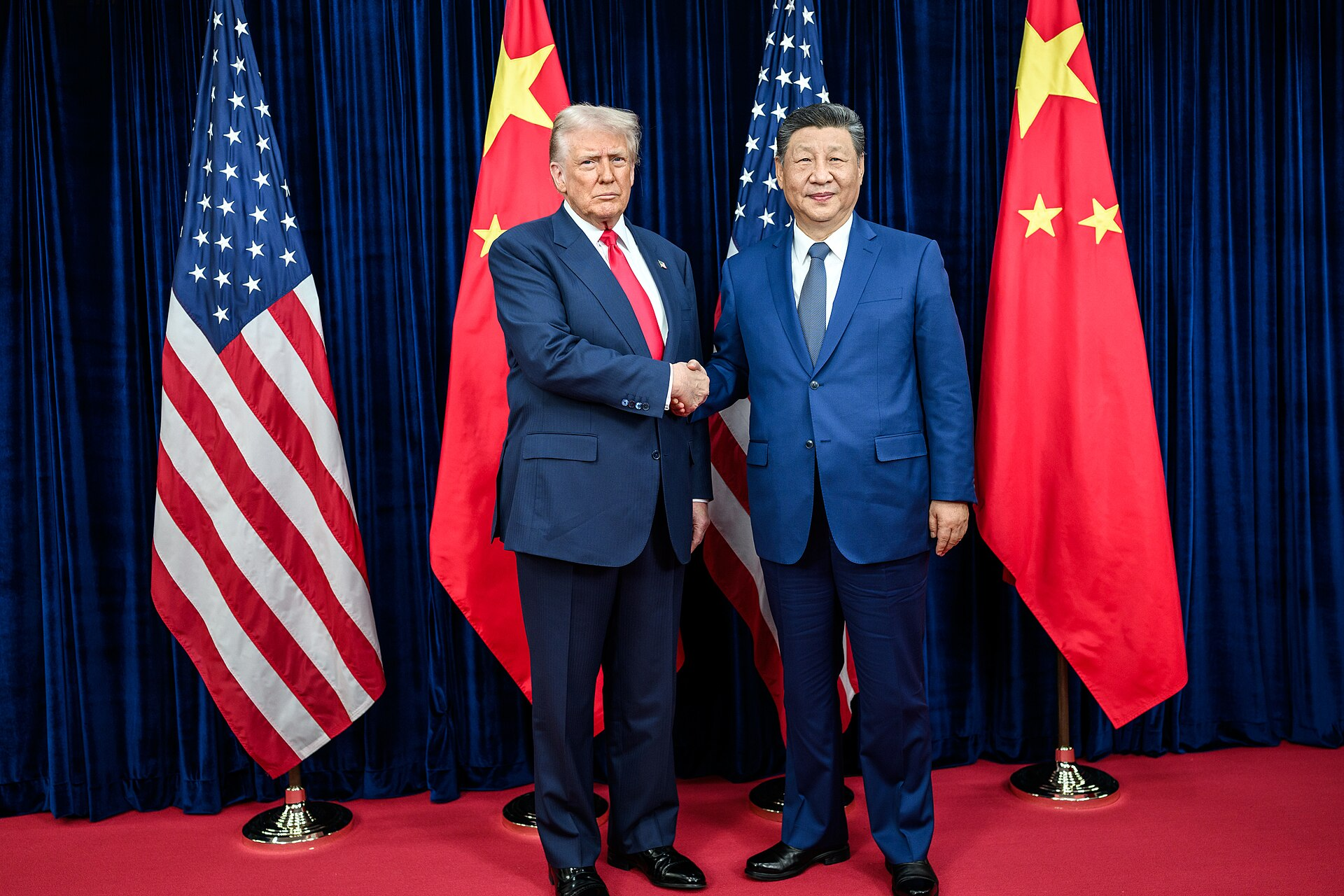
Trump lands in Shenzhen for historic trilateral with Xi and Putin as analysts expect optics over outcomes
The first face-to-face between the leaders of the US, China, and Russia is being staged as a management exercise, not a dealmaking session, with the US-China trade truce expiring in January 2027.
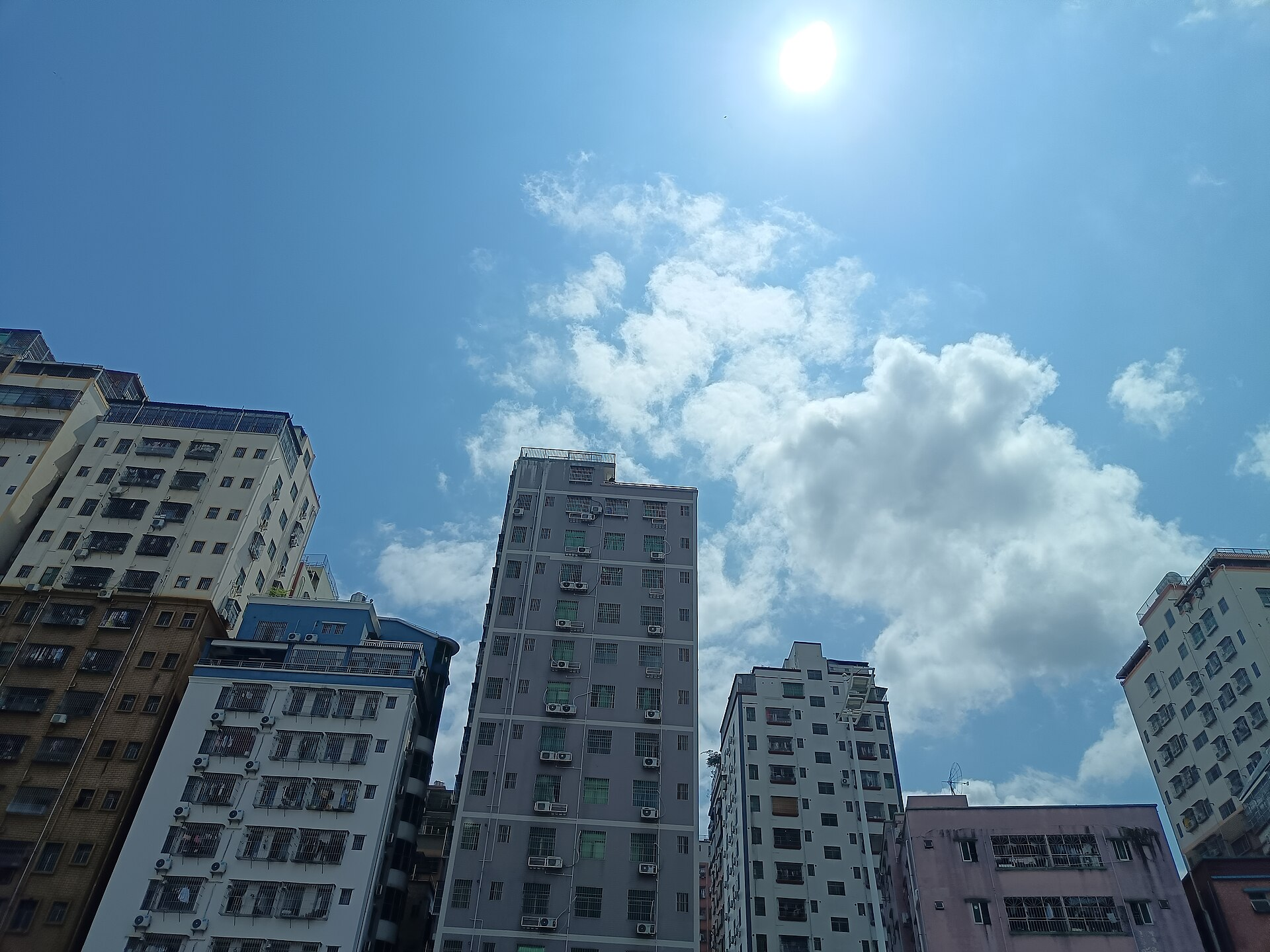
Donald Trump arrived in Shenzhen from Manila on Wednesday for the APEC summit, where Xi Jinping greeted him on the airport tarmac — a rare gesture reciprocating the welcome Trump extended to Xi during his September visit to Washington. The historic trilateral meeting between Trump, Xi, and Vladimir Putin is set for Thursday.
Expectations for concrete outcomes are low. This is Trump’s third meeting with Xi since pausing the US-China trade war, and the two leaders are expected to focus on stabilising ties rather than announcing new agreements. Trilateral discussions are expected to address the Iran war and Russia’s war in Ukraine, though a spokesperson for China’s foreign ministry said Monday only that the three leaders will hold in-depth discussions on issues crucial for world peace and strategic stability. The US-China trade truce is currently set to expire on January 10, 2027, leaving the relationship on a clock even as both sides project calm.
Xi and Putin project unity before Trump sits down
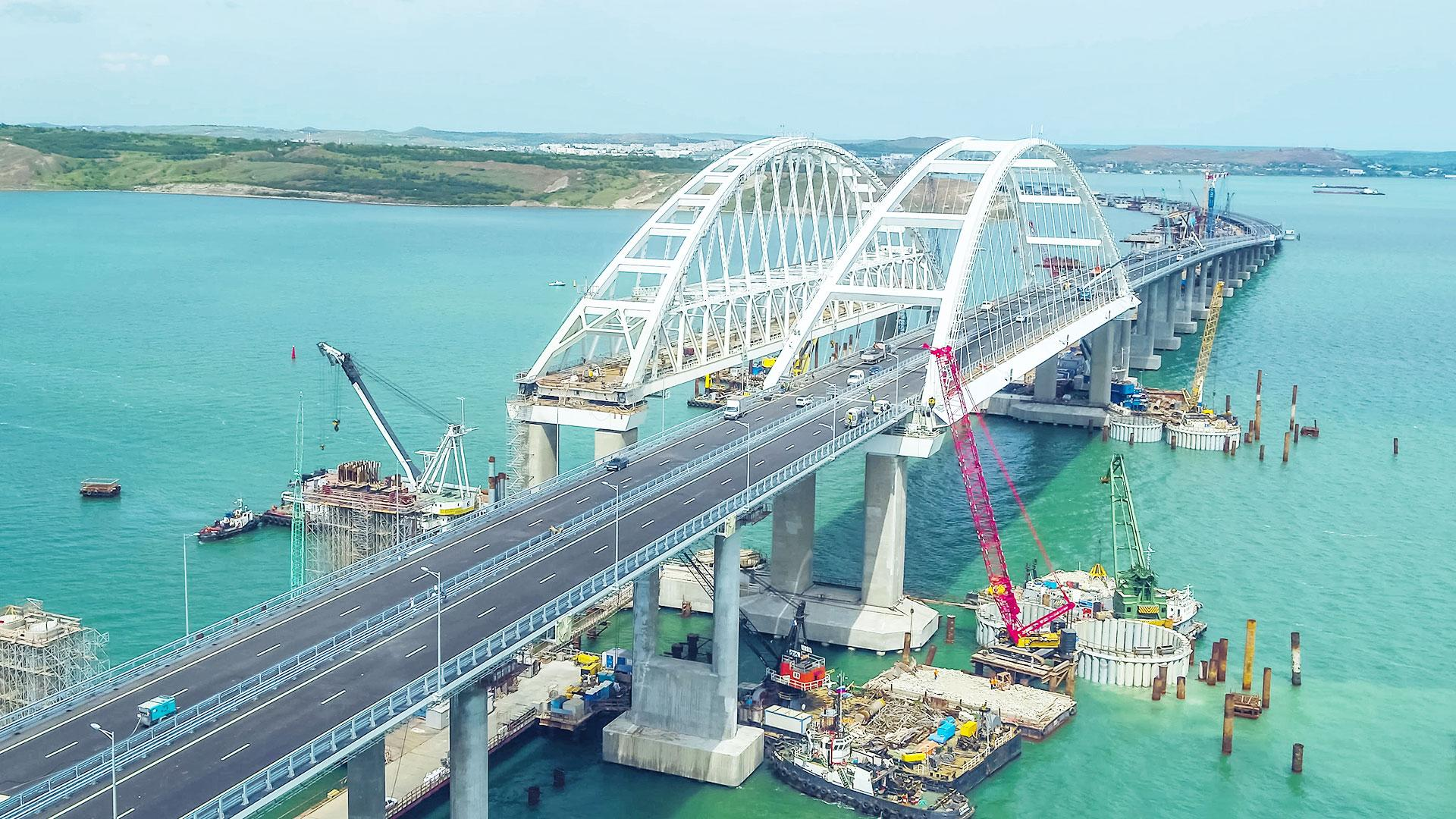
Xi met Putin earlier on Wednesday, discussing closer China-Russia cooperation and urging deeper political and military ties between the two countries. Xi described China-Russia relations as “unshaken by storms and steady as a mountain,” according to a Chinese state media readout. Xi opened the APEC CEO summit on Wednesday morning with a speech calling for free trade and greater cooperation around AI, urging countries to eliminate trade and investment barriers and promote inclusive development. Putin addressed the summit claiming sanctions have lost their intimidating power, saying that “the traditional tools of economic dominance and de facto coercion have largely run their course, having lost much of their intimidating power.” His remarks came as Ukraine struck the Kerch Bridge earlier this week, destroying its central road section in an operation involving two strikes over consecutive days — a significant blow to a key transport link and a symbolic project for Putin as he sat down with Xi for talks.
Economic rivalry shadows the summit
Tariff rates on Chinese and US goods peaked at 145 percent and 125 percent respectively before the trade truce agreed in Busan, South Korea, in October last year. The September Washington meeting between Trump and Xi produced commitments to establish a communication channel for AI-related security incidents and lower tariffs on $60bn worth of goods, but major areas of contention remain. China’s rare earth exports to the US are still about 75 percent below normal levels, according to the Center for Strategic and International Studies. Trump and Xi are expected to talk only about two hours at the summit, less time than during previous meetings. US prosecutors confirmed on Monday they had opened a criminal investigation into Megaspeed, a Singapore-based data centre company, amid suspicions it diverted Nvidia GPUs to China in violation of US export controls. Trump told reporters on Monday: “We’re heading to China, and I don’t think you want to insult China just before you get there.”
Analysts temper expectations
Wang Wen, dean of the School of Global Leadership at Renmin University of China, said: “The primary focus of this meeting is the management of risks among major powers; it does not aim to produce any groundbreaking, sweeping agreements.” Deborah Elms, head of trade policy at the Hinrich Foundation, said that given the midterm election results and Nvidia fallout, “if they manage to shake hands without incident, it will be viewed as a win.” David Roche, strategist at Quantum Strategy, described the summit as an “almost 100% photo op” that lifts China’s status and power at the top table.
Sources & methods
- The Guardian live coverage of the APEC summit in Shenzhen Archived Nov 18, 2026
- Al Jazeera report on Trump's arrival in China and low expectations for breakthroughs Archived Nov 18, 2026
- CNBC report on Trump landing in China for historic trilateral talks Archived Nov 18, 2026
- CNBC report on Putin's APEC speech and the trilateral meeting Archived Nov 18, 2026
Reporting based on four published news sources covering the APEC summit in Shenzhen, cross-referenced for factual consistency. The Wang Wen quotation is from Source 2 (Al Jazeera), which identifies him as dean of the School of Global Leadership at Renmin University of China. The Deborah Elms quotation is from Source 2 (Al Jazeera), which identifies her as head of trade policy at the Singapore-based Hinrich Foundation. The David Roche quotation is from Source 4 (CNBC). The September Washington meeting outcomes, the CSIS rare earth export figure, and the expected two-hour Trump-Xi talk duration are all from Source 2 (Al Jazeera).