Trump reinstates Iran port blockade and announces 20% charge on Strait of Hormuz cargo as oil prices climb 5%
The US president declared America the guardian of the strait and said all cargo transiting it would face a 20% charge, drawing immediate pushback from Iran, the UN shipping regulator, and markets worldwide.
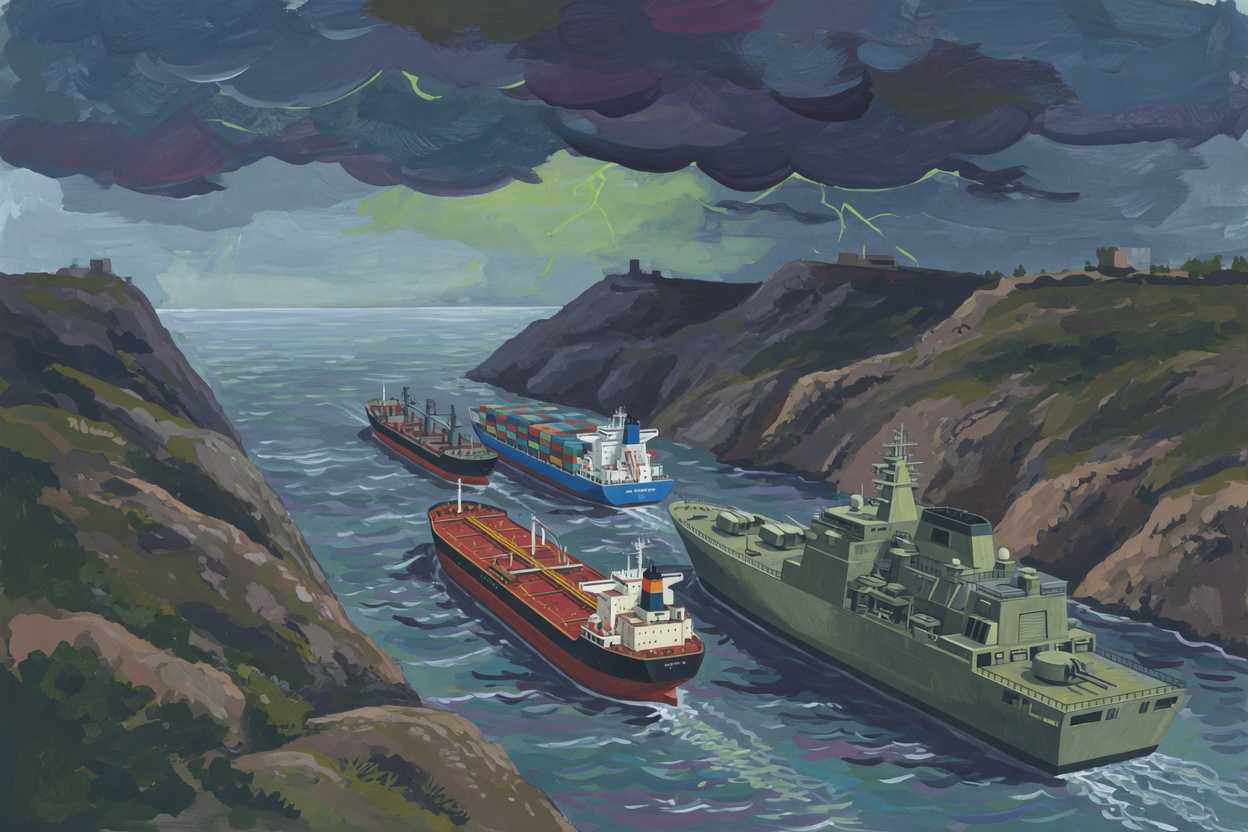
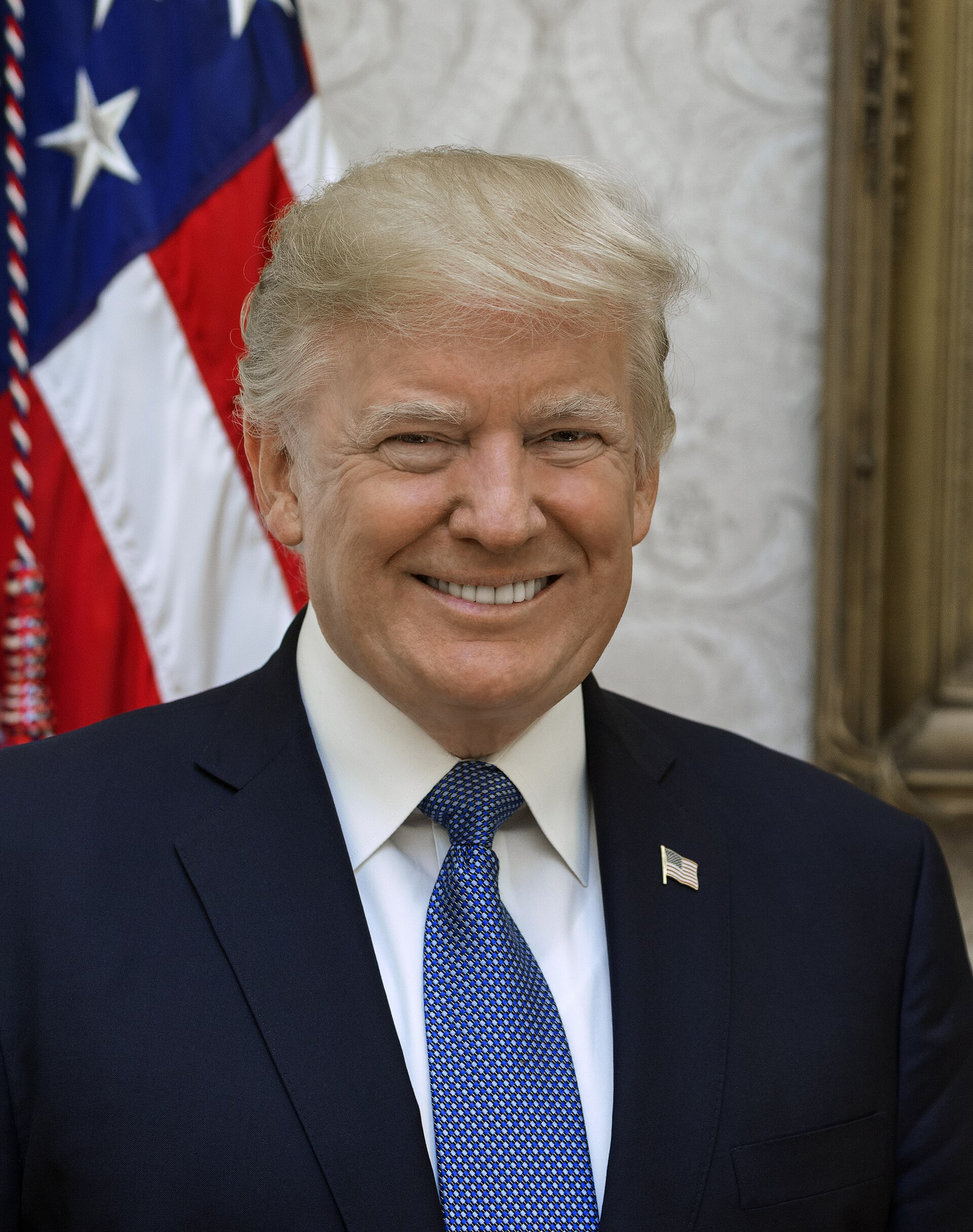
President Donald Trump said the US is reinstating a naval blockade of Iranian ports and will impose a 20% charge on all cargo shipped through the Strait of Hormuz, sending oil prices up 5% as Iran’s military warned against American interference in the waterway.
The announcement on Monday followed days of escalating strikes between the two countries and came as US Central Command launched a third consecutive night of attacks against Iranian forces. Brent crude climbed to $79.37 a barrel, up from $72.48 before the US-Israeli strikes on Tehran in late February and below the highs of $120 reached in April. Stock markets fell across Asia and the US, with South Korea’s Kospi plunging 8%, Japan’s Nikkei 225 and China’s Shanghai Composite each dropping 2%, and the tech-heavy Nasdaq falling 1% while the S&P 500 slipped 0.4%.
Trump, writing on Truth Social, declared that the US would from this point forward be known as the guardian of the Hormuz Strait. As a matter of fairness, he wrote, the US would be reimbursed at the rate of 20% on all cargo shipped for costs necessary to provide safety and security in what he called a very volatile section of the world. He said the process and formation would begin immediately. All countries other than Iran, he wrote, would have fair and open use of the strait.
The blockade takes effect at 16:00 Eastern Time on Tuesday, according to Centcom, which said US forces will resume blockading maritime traffic entering and exiting Iranian ports on 14 July. The military said it continues to support traffic flow through regional waters for all vessels not violating the blockade. Trump told Fox News earlier on Monday that the US would probably run the strait, claiming Iran broke a deal made with the US.
Iran and the international regulator push back
Iranian Foreign Minister Abbas Araghchi responded on X that Iran, not the US, controls the strait and deserves to be compensated for providing secure passage. He wrote that Iran has always been the guardian of the strait and will remain so forever, adding that 20% is too much and that Iran would be fair. Before Trump’s announcement, Iran’s top military headquarters said it would not allow the US to interfere in the management of the strait. Ebrahim Zolfaghari, spokesperson of Khatam al-Anbiya, said in a statement shared by Iranian media that repeated adventurism and malicious actions from the US have seriously endangered regional security, international trade, and the passage of oil tankers and commercial vessels. He warned that any cooperation with the US would be considered an act of war against Iran’s sovereignty, and that if the conflict spreads, the flames of war will engulf all countries of the region.
The International Maritime Organization, the UN agency regulating global shipping, said it stands firmly against charging fees for passage through straits used for international navigation. A spokesperson told CNBC there is no legal basis through which to introduce mandatory tolls simply to transit through a strait. That position echoes one offered by US Secretary of State Marco Rubio, who said last month that no country is allowed to charge tolls or fees on an international waterway under existing international law.
Markets reel and traffic slows
The market swings were severe. Chip companies were hit hard. Shares in South Korea’s SK Hynix slumped 15% and Samsung Electronics sank 10%. Airline shares fell on both sides of the Atlantic. Gold dropped 1.4% to $4,083 an ounce, as higher oil prices stoked fears that central banks may have to increase interest rates to combat inflation. Oil prices pared some gains later on Monday after Opec lowered its forecast for global demand growth in 2026 to 780,000 barrels a day, down from its previous estimate of 970,000.
The number of vessels passing through the strait is already falling. Data analyst Kpler found that only six vessels crossed on Sunday, the fewest in five weeks. Tankers that exited included the very large crude carrier Humanity, carrying 2 million barrels of Iranian oil, and Capetan Andreas, carrying about 500,000 barrels of Kuwaiti oil products. Three empty tankers entered the Gulf to load oil. Most tankers switch off transponders when crossing. Iran’s Islamic Revolutionary Guard Corps said its navy stopped two ships on Sunday by shutting down their systems, though it did not name the vessels.
Analysts at Goldman Sachs wrote in a note that recent attacks highlight how uncertain Gulf exports remain and that a serious re-escalation could re-intensify the short-run upside risk to oil prices. The strait, through which about a fifth of the world’s oil supply normally passes, was effectively shut down by Iran after the US and Israel launched strikes in late February. David Goldwyn, president of Goldwyn Global Strategies and a former State Department special envoy, told CNBC the 20% charge is quite an extortionate level, especially since it is unclear the US can deliver safe passage. If the US had been able to safely escort ships and guarantee no threat from Iran, Goldwyn said, that would have been visible in the past few weeks.
Federal law requires congressional approval to continue military actions for more than 60 days, and the White House can extend the deadline by another 30 days citing national security. Trump notified Congress in a letter dated 10 July that the US had resumed military action against Iran on 7 July. Congress last month approved a measure directing an end to US hostilities in Iran under the War Powers Resolution, though that step was mostly symbolic and did not force Trump to withdraw troops. The White House did not immediately respond to CNBC’s questions about the reimbursement policy. What the latest announcement means in practice remains unclear.
Sources & methods
- BBC News report on Trump reinstating the Iran port blockade and announcing a 20% charge on cargo through the Strait of Hormuz, including Iranian and IMO responses, congressional notification, and historical context of the conflict. Archived Jul 13, 2026
- CNBC report on Trump's 20% toll proposal and blockade reinstatement, including market reaction, legal analysis from experts and the IMO, Secretary of State Rubio's prior stance, and details of the eroding ceasefire deal. Archived Jul 13, 2026
- The Guardian report on oil prices leaping 5% and stocks falling globally, with detailed market data, tanker traffic figures from Kpler, Opec demand forecast revisions, and Goldman Sachs analysis. Archived Jul 13, 2026
This article was assembled from three published reports, from BBC News, CNBC, and The Guardian, covering Trump’s announcement, the military and diplomatic responses, and the global market reaction. No additional reporting was conducted.