Trump reverses Hormuz cargo fee after Gulf leaders push back, as US resumes Iran blockade and strikes continue
The president scrapped a 20% toll on Strait of Hormuz shipping just one day after proposing it, substituting promised Gulf state investment deals that no country has yet confirmed.
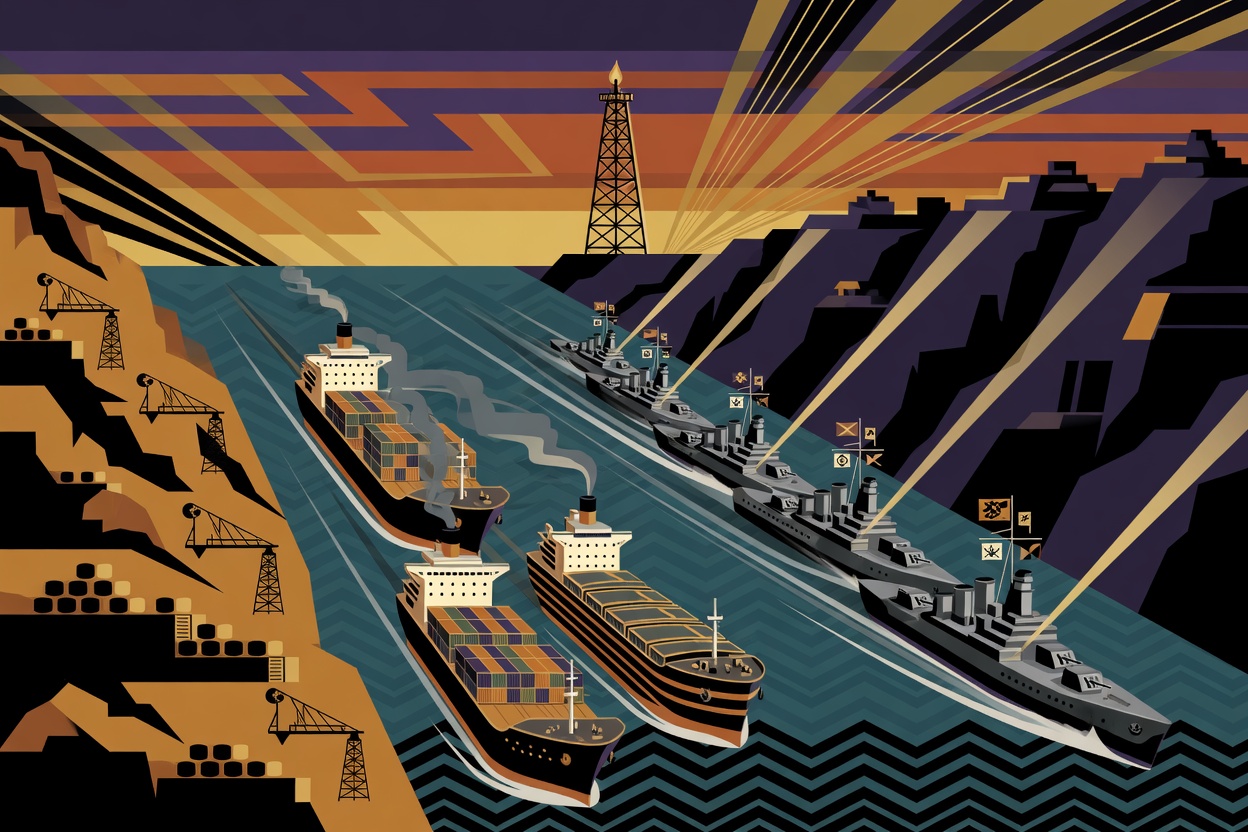
President Donald Trump scrapped his threatened 20% fee on all cargo transiting the Strait of Hormuz on Tuesday, abandoning the proposal a single day after he unveiled it. The reversal came as American forces resumed their naval blockade of Iranian ports and pressed on with strikes against Iranian targets, deepening a conflict that has brought tanker traffic through the critical waterway to a near-standstill and sent oil prices surging.
The backdown followed calls from Gulf leaders. Trump said he replaced the toll with what he described as “massive” trade and investment deals from Gulf states, though none of the countries he named has disclosed any such plans. He cited conversations with Saudi Arabia, the United Arab Emirates, Qatar, Bahrain, and Kuwait.
Fee proposal drew swift criticism
The proposed reimbursement charge, announced Monday on Truth Social, drew immediate opposition from energy experts and shipping industry groups, including the United Nations’ International Maritime Organization. Critics resurfaced clips of Trump administration officials acknowledging that imposing tolls in an international waterway would be illegal, CNBC reported. At the White House on Tuesday, Trump said world leaders told him “we’d love to do it a different way,” and that he agreed, saying he did not think anyone should charge a fee for the strait.
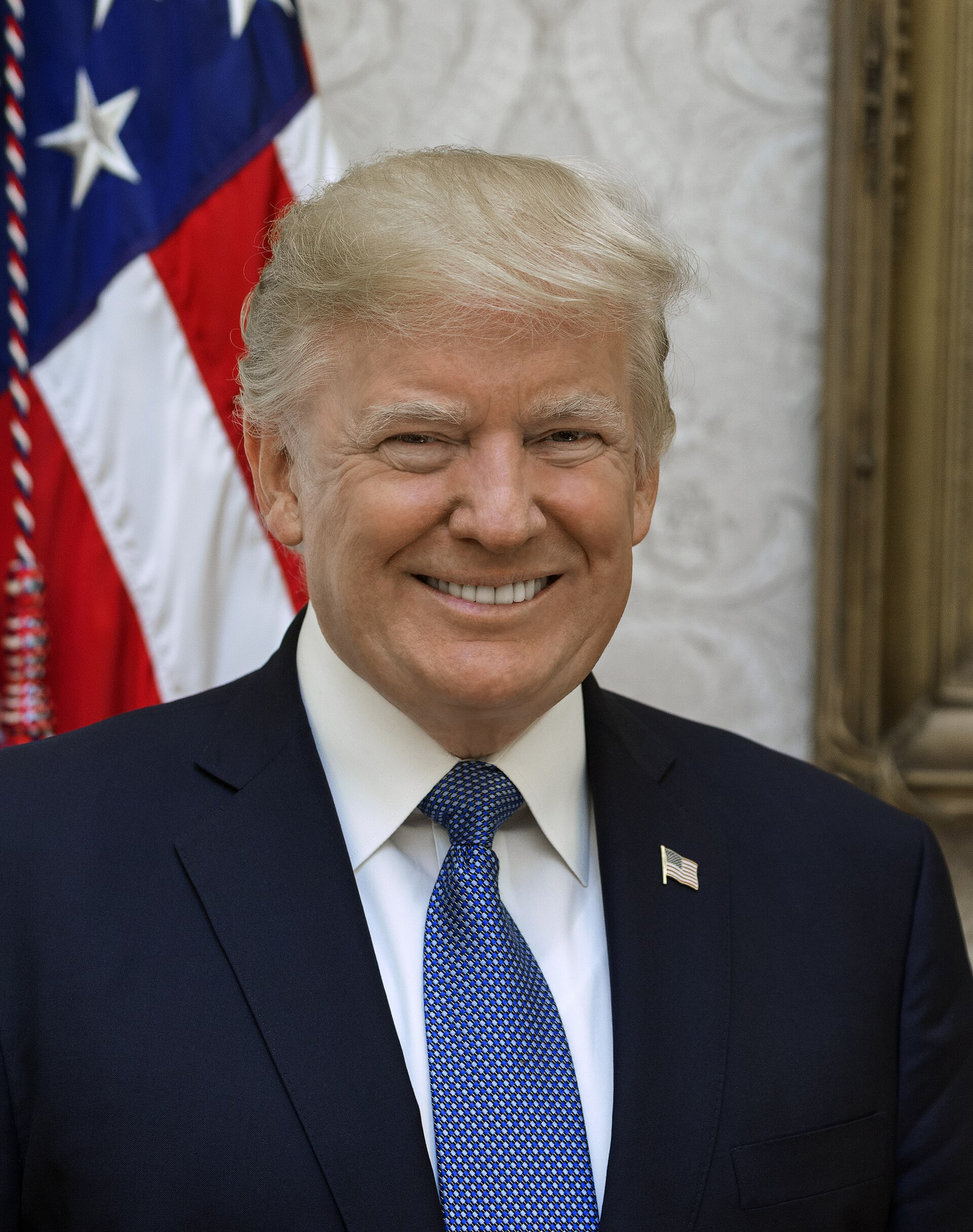
“I have decided to replace the 20% United States Reimbursement Fee with Trade and Investment Deals that the various Gulf States will be making into the United States,” Trump wrote on Truth Social. He called those investments “MASSIVE” and “extraordinarily good for them, and their future,” but provided no details. He also declared the strait “open to ALL Ship traffic except for Iran.”
Blockade returns as strikes intensify
US Central Command said its forces began launching additional strikes against Iran late on Tuesday to continue degrading Iranian capabilities used to attack commercial shipping in the strait. Centcom Commander Brad Cooper said Iran had “intentionally” targeted civilians and attacked seven commercial ships over the past seven days, leaving about a dozen crew members killed, missing, or injured, according to CNBC. The blockade of Iranian ports in the Gulf of Oman restarted at 4 p.m. ET. The latest strikes began one hour earlier.
Iranian state media reported blasts across southern cities, including Bushehr, home to a nuclear power plant, and on islands off its coast in the Strait of Hormuz, the BBC and Al Jazeera reported. Tehran said it had targeted American military facilities in Bahrain and Jordan after earlier hitting two UAE tankers. Iran’s Revolutionary Guard Corps also said it attacked US forces in Kuwait. Trump said attacks on Iran “will continue until I say enough,” with potential targets including power plants and bridges.
The US first imposed a naval blockade on all Iranian ports in April. Over roughly five weeks, the military redirected 100 commercial vessels and disabled four, the BBC reported. The blockade was lifted in June under a 14-point memorandum of understanding aimed at ending the conflict. The truce held briefly. But Trump declared the ceasefire “over” last week after each side accused the other of violating its terms. Iran’s Deputy Foreign Minister Kazem Gharibabadi said the blockade decision had “in a way, dismantled” the truce deal, according to AFP.
Shipping data shows traffic through the strait has slowed to a two-month low. The waterway previously carried about 25 percent of the world’s oil and 20 percent of global liquefied natural gas before Iran effectively shut it down after the US and Israel launched strikes against Iran on 28 February, the BBC reported. Commercial traffic, already far below prewar levels during the ceasefire, has sharply dropped in recent days, ship tracking firms found, CNBC reported. Brent crude has risen sharply.
The US Treasury imposed new sanctions on Tuesday targeting what it called the “illicit shipping empire” of Mohammad Hossein Shamkhani, describing the network as a major enabler of Iran’s oil exports. Israel’s Prime Minister Benjamin Netanyahu separately warned that retaliation against Iran would be “much more powerful” if attacked first. “Do not count on things remaining quiet if you attack us,” he said in a video posted to social media.
Sources & methods
- BBC News article on Trump scrapping the 20% Hormuz cargo fee, the US resuming its blockade of Iranian ports, and renewed US-Iran strikes Archived Jul 15, 2026
- Al Jazeera liveblog reporting Trump's statements that strikes on Iran will continue, IRGC attacks on US forces in Kuwait, Bahrain, and Jordan, and explosions across Iranian southern cities Archived Jul 15, 2026
- CNBC article on US strikes against Iran preceding the Hormuz blockade restart, criticism of the fee proposal, sanctions on Shamkhani's shipping network, and shipping traffic data Archived Jul 15, 2026
Reported from source texts published by BBC, Al Jazeera, and CNBC on July 14-15, 2026. Claims attributed to named officials and outlets as indicated in the text.