Two men killed and four injured in gunfire exchange at Toronto salsa festival
Police say two individuals exchanged shots at the Salsa on St. Clair street festival, which drew an estimated 13,000 attendees to midtown Toronto.
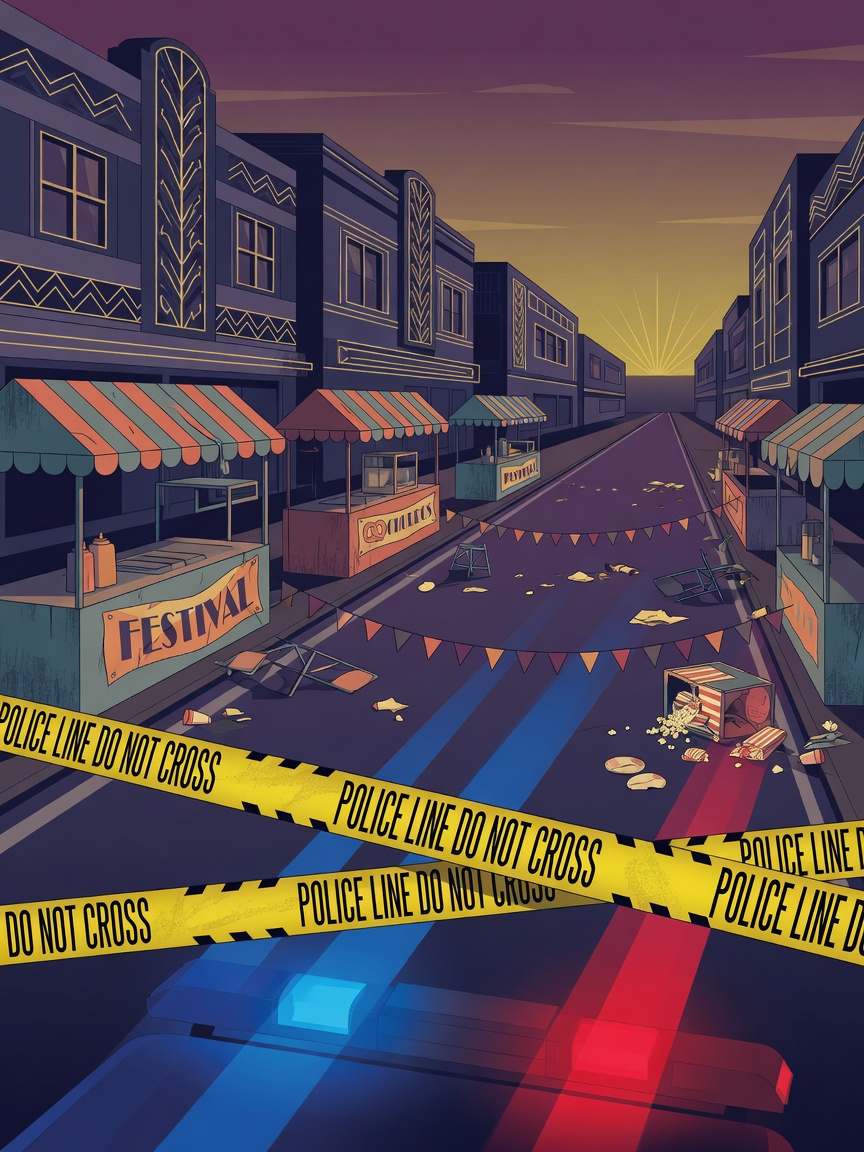
Two men were killed and four other people were injured when gunfire erupted at a crowded Latin American street festival in Toronto on Saturday evening, sending thousands of attendees fleeing through the streets of midtown and prompting an initial active-shooter warning from police. Police later said the shooting was an exchange of gunfire between two individuals who were targeting each other, not an active-shooter attack as initially feared.
The shooting was reported at approximately 20:12 local time near St. Clair Avenue West and Arlington Avenue, where the annual Salsa on St. Clair festival was underway. Officers arrived to find six victims with gunshot wounds. Two men were pronounced dead at the scene.
At a press conference held hours after the shooting, Deputy Police Chief Frank Barredo said investigators had recovered two firearms from the scene. Barredo confirmed both of the deceased were men. No suspect or suspects had been arrested by the time of the late-night news conference. Investigations were ongoing. Officers initially urged the public to avoid the area before later announcing the scene had been secured. “There was some concern about an active shooter. That turned out not to be the case,” Barredo said. The two gunmen, he said, “indiscriminately put vast numbers of people in danger.”
A chaotic scene unfolds
Barredo described the scene as “very chaotic.” An estimated 13,000 people were at the festival when the shooting happened. Police were managing three separate crime scenes in connection with the shooting. The public would be updated once more information became available. A large police presence remained around the festival, and people were told to stay away from the area. Anyone with information in connection with the shooting, including witness statements, was urged to call police.
Witnesses described panic as the gunfire began. Valerie Rodriguez said she was sitting outside a nearby restaurant when people suddenly began screaming and running. “A bunch of people … told us to lay down onto the floor,” she said. “We got scared because we didn’t know exactly what was happening.” Rodriguez and others at the restaurant sought cover as the situation unfolded.
Festival vendor Patsy Gutierrez said she was serving customers when she saw “a huge wave” of people fleeing. “Everybody started getting frantic and then we stopped serving,” she said. “I don’t think it should be something that’s happening at these types of events.”
Leaders respond
Canadian Prime Minister Mark Carney said he was “horrified” by the shooting and offered his prayers to “the families grieving their loved ones, those who are in critical condition, and everyone who has been affected by this horrific event.” He said police had his full support in their efforts to apprehend those responsible. Carney posted his remarks on X.
Ontario Premier Doug Ford said in a social media post that he was “devastated by the senseless violence at the Salsa on St. Clair Festival that has claimed two lives and injured others.” “The person responsible must be caught, brought to justice and spend the rest of their life behind bars,” he wrote. He thanked first responders who attended the scene. Ford added that his thoughts were with the victims, their families, and everyone affected by the shooting.
Toronto Mayor Olivia Chow said she was “deeply disturbed and angry about this reckless and irresponsible act of violence right in the middle of a festival attended by families.”
St. Clair Avenue, located in midtown Toronto and lined with shops and restaurants, was set to host the annual Salsa on St. Clair Latin festival between the 11 and 12 July. The event, now in its 22nd iteration, celebrates Latin American culture with live music, dancing, food, and cultural performances, drawing thousands of people to the St. Clair West neighborhood.
Toronto, Canada’s largest city, is among North America’s safest major cities, and fatal shootings, particularly those involving multiple victims in public places, are relatively rare. “Toronto is one of the safest cities in the world but we are 3 million people and unfortunately we are not immune,” Barredo said.
Sources & methods
- BBC News report on the shooting at the Salsa on St. Clair festival in Toronto, including details from a police press conference and statements from Prime Minister Mark Carney and Ontario Premier Doug Ford. Archived Jul 12, 2026
- The Guardian report on the same shooting, providing additional details from Deputy Police Chief Frank Barredo, witness accounts from Valerie Rodriguez and Patsy Gutierrez, and remarks from Mayor Olivia Chow. Archived Jul 12, 2026
This article was compiled from reporting by BBC News and The Guardian on the shooting at the Salsa on St. Clair festival in Toronto on July 12. All quotes, figures, and attributions are drawn directly from those two sources.