United States and Iran trade strikes as diplomatic talks remain underway
The two nations exchange military attacks while officials maintain that technical negotiations continue despite the breakdown of a recent ceasefire agreement.
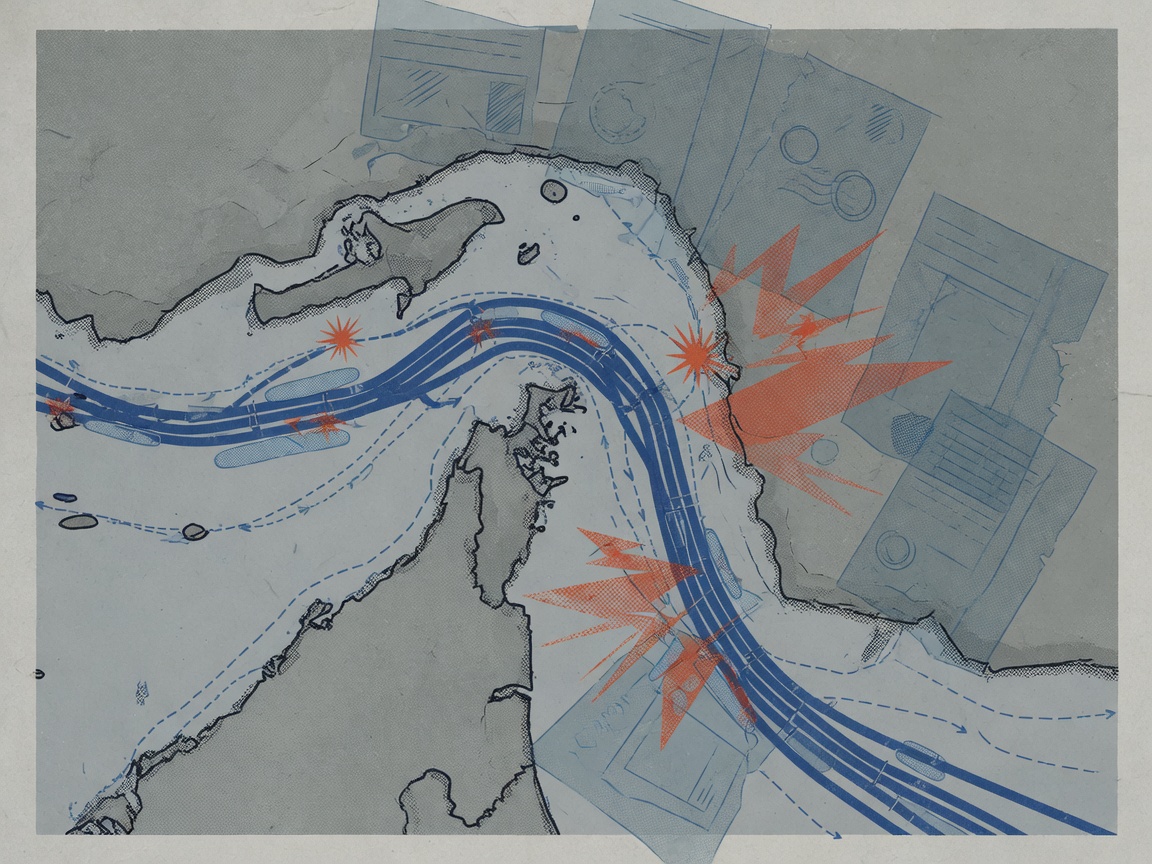
The United States and Iran traded military strikes. Violence erupted quickly. Days after the burial of Iran’s supreme leader, chaos returned, and commercial shipping routes faced renewed danger. The clashes demonstrate how quickly armed conflict can override diplomatic efforts in a volatile region, leaving observers to question the longevity of any future accord and the stability of global markets. Officials maintained that technical negotiations continued despite the breakdown of a recent ceasefire agreement, even as both nations deployed air defense systems and launched retaliatory strikes across multiple provinces. The Strait of Hormuz carries vital energy supplies to international markets. Disruptions there trigger immediate economic consequences worldwide.
Iranian state media reported multiple explosions near the Bushehr nuclear facility. A US official told Al Jazeera that American forces did not conduct the latest attacks. No other group claimed responsibility. Iran has not blamed a specific country for the blasts. The United States Central Command stated it struck 90 Iranian military targets, objectives that included air defense systems and logistics infrastructure along the coastline. Iranian officials said 14 people died and 78 suffered injuries across 5 provinces, figures the health ministry confirmed. Crowds gathered in Mashhad to bury Ayatollah Ali Khamenei, waving national flags and holding signs directing threats at President Donald Trump. The supreme leader died during initial strikes on Feb. 28. His funeral spanned six days across multiple cities. Bridges and railway routes connecting Tehran to Mashhad sustained damage. The foreign ministry condemned the American actions as a grave war crime, and state media described the administration as evil and psychopathic.
Gulf nations reported Iranian attacks following American strikes. Explosions rocked Bahrain’s capital Manama. Kuwait intercepted missiles and drones. Qatar issued a security alert. Later explosions echoed in Iran’s southern port of Konarak, where a navy site suffered damage from an unidentified enemy, and US defense officials denied striking Iran recently. Shipping data revealed a dramatic contraction in maritime traffic. Intertanko director Phil Belcher reported that vessels using the southern route near Oman dropped to single figures, marking a stark reversal from the optimistic shipping forecasts made just weeks earlier. Daily transit numbers fell from 70 ships last week to roughly 30 today, against normal traffic of about 130. Belcher noted that optimistic market conditions vanished after hostilities resumed. The memorandum of understanding signed on June 17 promised safe passage through the waterway. That guarantee collapsed as both sides traded blows.
Shipping disruptions and economic impact
Iranian parliamentary speaker Mohammad Bagher Ghalibaf emphasized that America still has not learned that bullying and breaking promises are no longer cost free, warning that any further aggression would trigger immediate retaliation. He insisted the strait would only open under Iranian arrangements. Centcom stated the strikes targeted air defense systems and logistics infrastructure along the coastline, aiming to dismantle the military capabilities that threatened international shipping lanes, and emphasized protecting innocent civilian mariners in the vital waterway. Previous offensive strikes occurred the night before the latest exchange. Iranian state television reported eight explosions in Bandar Abbas. Missiles struck the ports of Sirik and Jask. Projectiles hit the disputed island of Abu Musa. Power cuts emerged in Chabahar, a fire burned at an Islamic Revolutionary Guard Corps barracks in Bushehr, and social media images showed damage to a marine control tower. Centcom held Iran accountable for recent unjustified aggression against commercial shipping. The Treasury Department withdrew a waiver that allowed Iranian oil sales, targeting Tehran’s primary revenue stream. Trump stated Iran called to make a deal so badly, then questioned whether Tehran would honor any agreement. The current flare up marks the worst exchange since the June 17 deal.
Diplomatic fractures and ongoing negotiations
Diplomatic relations fractured further after President Trump declared the ceasefire over. He spoke at a NATO summit in Ankara before returning home, characterized Iranian attacks on commercial vessels as acts of terrorism, and dismissed future negotiations as a waste of time. US officials clarified that technical discussions would proceed regardless. A Washington source told MS Now that the agreement remains performance based, and that Iran failed to meet required adjustments according to American assessments. Tehran accused Washington of reinstating oil sanctions and issuing persistent threats. Iranian Foreign Minister Abbas Araghchi promised a response grounded in action rather than rhetoric.
The memorandum of understanding outlined commitments from both parties: a 60 day ceasefire, continued negotiations during that window, guaranteed safe passage for vessels through the Strait of Hormuz, and an American commitment to lift sanctions on Iran. Each side now accuses the other of breaking the terms. Military operations continued despite the technical dialogue, and Iranian media reported power outages and structural damage in southern provinces. Belcher warned that the cycle of violence harms business and seafarers alike. Oil benchmarks adjusted downward in Asian sessions as markets priced in continued regional risk. The 60 day negotiation window remains technically open. Whether either government honors the original terms is now the question hanging over every shipping lane, every sanctions decision, and every technical session still underway in the background.
Sources & methods
- BBC News report covering US and Iran military exchanges, Khamenei's burial, Strait of Hormuz shipping data, and Gulf nation attacks. Archived Jul 10, 2026
- Al Jazeera live blog reporting on unclaimed strikes near Bushehr, US denial of involvement, and ongoing technical talks. Archived Jul 10, 2026
- MS Now report via CNBC detailing US commitment to technical negotiations, performance-based MoU conditions, Treasury sanctions withdrawal, and Trump's NATO summit statements. Archived Jul 10, 2026
Reporters compiled information from BBC News, Al Jazeera, and MS Now reports published between June and July 2026. Data on shipping traffic and oil prices was cross referenced with official military statements and government announcements.