Bank of England raises rates to 4% in first hike since 2023 as inflation threatens to approach 5%
An eight-to-one MPC vote delivered a quarter-point increase as Governor Andrew Bailey warned that further hikes are likely unless the Middle East conflict is resolved.
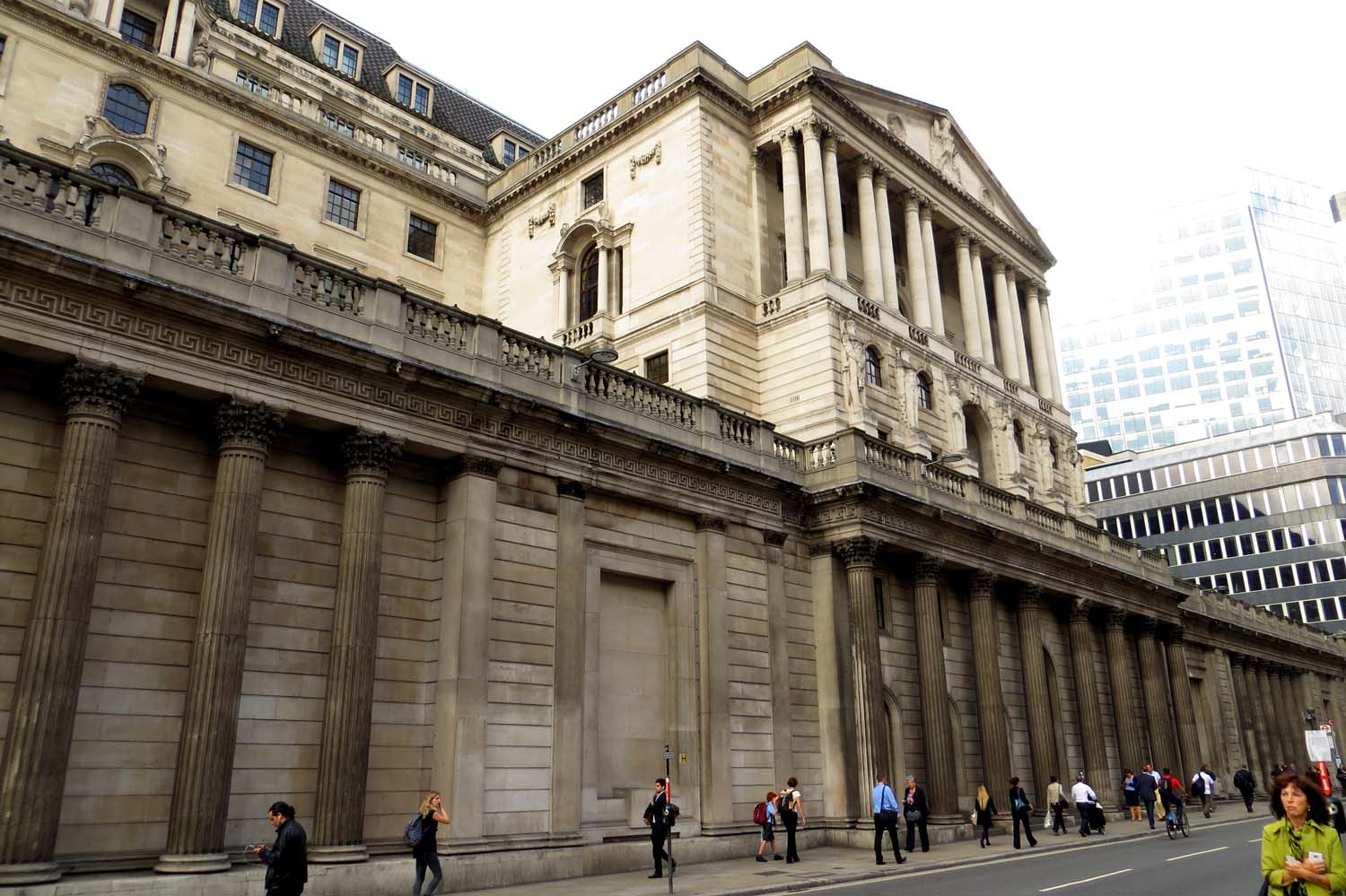
The Bank of England raised interest rates to 4% from 3.75%, delivering its first hike in over three years in response to rising energy-driven inflation from the ongoing Middle East conflict. The move was widely expected.
The Monetary Policy Committee voted eight to one in favour of the quarter-point hike at its meeting ending 4 November 2026. The decision came after UK CPI inflation rose to 3.5% in September, up from 3.1% the previous month and well above the Bank’s 2% target. “The conflict in the Middle East is now in its ninth month,” the MPC said in a statement. “Global energy prices have continued to rise from an already elevated level.” The Bank expects inflation to rise to around 5% by the middle of next year before falling as the impact of rising energy prices on 12-month inflation rates fades and still restrictive monetary policy bears down on inflation. Inflation is not expected to return to the 2% target until 2028. The Bank’s central forecast puts the peak at 4.9%, while an adverse scenario in which the conflict escalates further and sends oil and gas prices much higher could see inflation reach 6.2% in 2027. The MPC said the duration and scale of the energy price increase had generated sufficient inflationary pressures in the pipeline to warrant an increase in Bank Rate. The Bank last raised rates in August 2023. Rates then fell. The Bank had kept them on hold at 3.75% since December last year. As a net energy importer, the UK is particularly vulnerable to external energy shocks of the kind triggered by the conflict.
Mann’s lone dissent
Mann was alone. Catherine L Mann voted for a larger 0.5 percentage point increase to 4.25%. She argued the economy may have breached the policy credibility threshold, worsening the policy trade-off, and pointed to a substantial inflation risk premium in the UK yield curve reflecting five years of above-target inflation averaging 4.7%. From a risk management and credibility perspective, Mann called a 50bp hike “good policy”. She warned that households are particularly attentive to energy and food price inflation, which may be reflected in 2027 wage demands, and that the economy has crossed a statistical threshold into a regime supporting stronger second-round effects.
The governor struck a measured tone. Bailey said the hike “shouldn’t be seen as the first in an inevitable long sequence of hikes”, but warned that “unless the conflict in the Middle East is resolved, neither does it seem likely to be the last increase”. “Put simply, it requires real progress towards settling the conflict in the Middle East,” he added. Bailey described a “more conditional approach, dependent on the evidence on energy prices and inflation dynamics”, and said he could “see the argument” for a further rate hike. Clare Lombardelli said there was “likely to be a case for a further increase in rates in the near term”. Megan Greene said any decision would depend on how inflation impacts wages, prices, and the jobs market. Alan Taylor characterised the decision as a risk-management “one-for-now” insurance hike.
Sterling and markets respond
Markets had priced the rate hike at more than 99% probability ahead of the decision, according to LSEG data. Traders were pricing in a one-in-four chance of a further hike in December.
Households feel the pinch
Some 510,000 tracker mortgage-holders will see a £31 monthly jump in repayments, according to banking trade body UK Finance. Homeowners on fixed deals will see no change, though future products may be affected.
Chancellor’s response
Chancellor John Healey MP said the Iran conflict is reaching deep into the pockets of families and businesses here at home, and confirmed that 20 million households will get a £100 energy payment. He extended the tax cut on electricity bills and froze fuel duty. Healey also set out changes to the energy system to better protect Britain from global shocks in the future.
Sources & methods
- BBC News, reporting on the Bank of England rate decision, MPC minutes, and mortgage market data
- CNBC, reporting on the MPC statement, market pricing, and UK energy vulnerability Archived Nov 5, 2026
- The Guardian, reporting on the MPC vote split, Mann's dissent, and Chancellor Healey's response Archived Nov 5, 2026
Reporting based on the Bank of England Monetary Policy Committee statement and minutes of the meeting ending 4 November 2026, market data from LSEG, mortgage data from UK Finance, and statements from Governor Andrew Bailey, MPC members, and Chancellor John Healey MP.