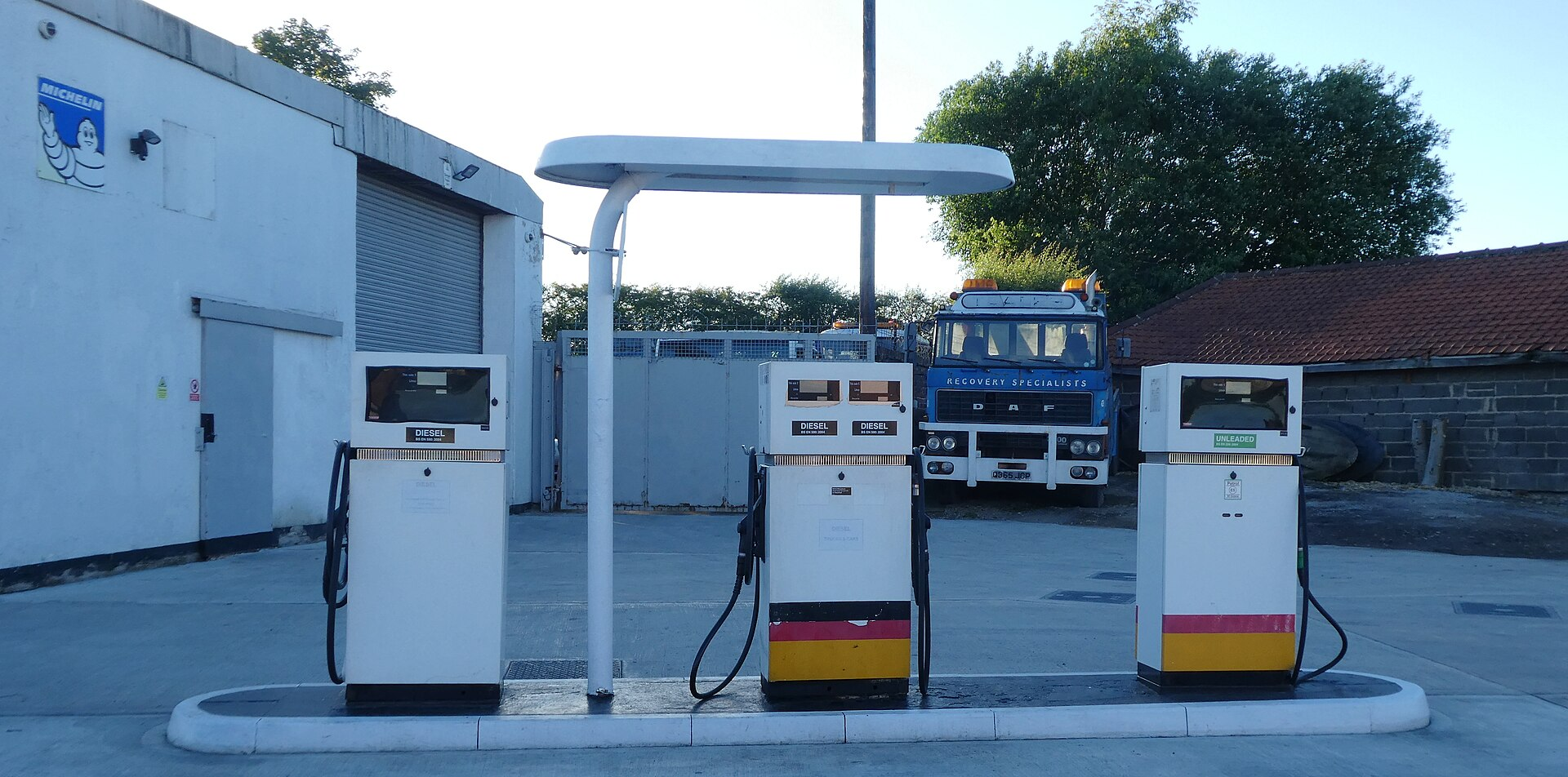
G7 nations agree to release emergency oil and diesel reserves in coordinated drawdown
The release, frontloaded with diesel in its first 20 days and coordinated through the IEA, is the G7’s most direct response yet to a supply crunch that has pushed US and UK diesel to record highs and created a transatlantic political flashpoint over export restrictions.
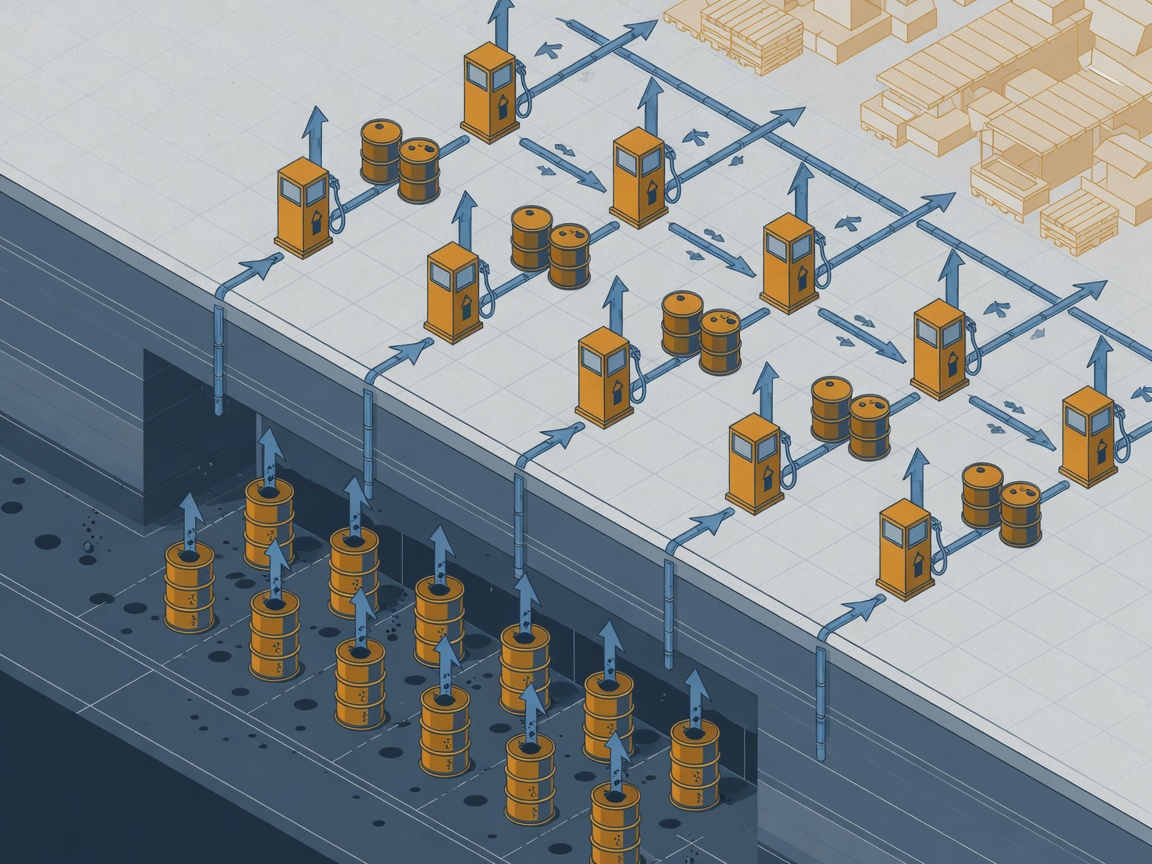
The G7 agreed to release 100 million barrels of emergency oil and diesel reserves. The release begins immediately. It will continue over four months, coordinated through the International Energy Agency, with a substantial diesel release frontloaded within the first 20 days by G7 members and partners.
Fuel supply has been constrained by the conflict in the Middle East and attacks on Russian refineries by Ukraine, creating a crunch that has sent prices soaring on both sides of the Atlantic. Trump had threatened to ban US diesel exports unless European countries released their own stockpiles. G7 leaders agreed to refrain from export restrictions on energy and energy products between member countries, and called on all producers to refrain from imposing bans that could exacerbate market tensions.
How the release works
Macron convened the leaders’ video call to discuss the global surge in diesel prices and Trump’s export ban threat. France currently holds the G7 presidency. Under proposals reportedly drawn up by Macron, members would release 50 million barrels of diesel and 50 million barrels of crude. “We have all committed together to releasing these strategic reserves in the proportions I mentioned, with a focus on diesel, and we are all committed to ensuring there are no export bans, and President Trump, in particular, was very clear on this point,” Macron said. The G7 includes the US, UK, Canada, Japan, Germany, Italy, and France, with the EU also represented at its meetings. G7 leaders will coordinate maintenance schedules to avoid simultaneous refinery shutdowns, encouraged countries with capacity to ramp up diesel refining, and said they will convene in the context of the IEA in the coming days to discuss the possibility of additional diesel releases.
Trump’s pressure campaign
Trump posted on social media that Europe had agreed to release a massive amount of heavily stocked diesel oil, and later said at the White House that an export ban was “never really on the table.” Political pressure is mounting. Trump faces voter frustration over fuel prices ahead of November midterm elections, and had leaned against a ban due to its potential impact on gasoline prices. Treasury Secretary Scott Bessent argued that US farmers, truckers, and businesses “should not be left carrying the burden” as prices soar.
US diesel prices remain elevated at $6.37 per gallon on average as of Friday. Prices have never been higher. US diesel pump prices climbed above $5.85 per gallon for the first time in early September. In the UK, diesel pump prices reached a record high of £2 per litre on Friday, and the cost of filling an average family car is now £110, nearly £32 more than before the Iran war, according to the RAC. Brent crude was trading above $100 a barrel on Friday, compared with around $72-73 before the Iran war. Brent fell after news of the stockpile release but rose back to around $102 by the end of the day.
Supply crunch on two fronts
Russian refineries have come under attack from Ukraine, causing fuel output to fall to 20-year lows. Europe produces about 70% of the diesel it consumes from domestic refineries but relies on imports to make up the shortfall in supply. The US produces roughly four to five million barrels of diesel per day, consumes about 3.6 million, and exports the remaining 1.2 to 1.5 million barrels per day to the global market. The US supplied around half of the EU’s diesel imports in August, according to the IEA. American exports hit a record. The US exported 1.9 million barrels a week to overseas buyers in early August, even as US distillate stockpiles fell to their lowest seasonal levels since 1996. Over half of the UK’s diesel is imported, with 31% of those imports coming from the US.
Friction over prior pledges
The IEA agreed in March to release 400 million barrels of emergency crude and refined products to address supply disruption from the Iran war. Under the March agreement, Europe pledged around 107 million barrels, while the US pledged 172 million barrels, all of it crude. US Energy Secretary Chris Wright said several European member countries have released only a fraction of the crude oil and petroleum products they pledged. The Department of Energy announced the release of up to 40 million barrels of crude under US March commitments. EU trade chief Maros Sefcovic discussed diesel supplies with US Trade Representative Jamieson Greer, and said any US move to restrict diesel exports would be unexpected and have a negative impact on Europe’s economic outlook.
A deeper problem
According to CNBC, Macquarie Group’s Walt Chancellor said the core issue is a global energy problem, not a diesel problem, and the solution is more oil through the Strait of Hormuz. Anything short of that, he said, is “really just shuffling deck chairs.”
Sources & methods
- BBC News — G7 announcement, Trump remarks, and market reaction Archived Oct 2, 2026
- CNBC — G7 release details, US political pressure, and IEA commitments Archived Oct 2, 2026
- The Guardian — Macron's proposals, price data, and analyst commentary Archived Oct 2, 2026
Reporting based on G7 joint statements, remarks by French President Emmanuel Macron and US officials, and data from the International Energy Agency, as published by BBC News, CNBC, and The Guardian.