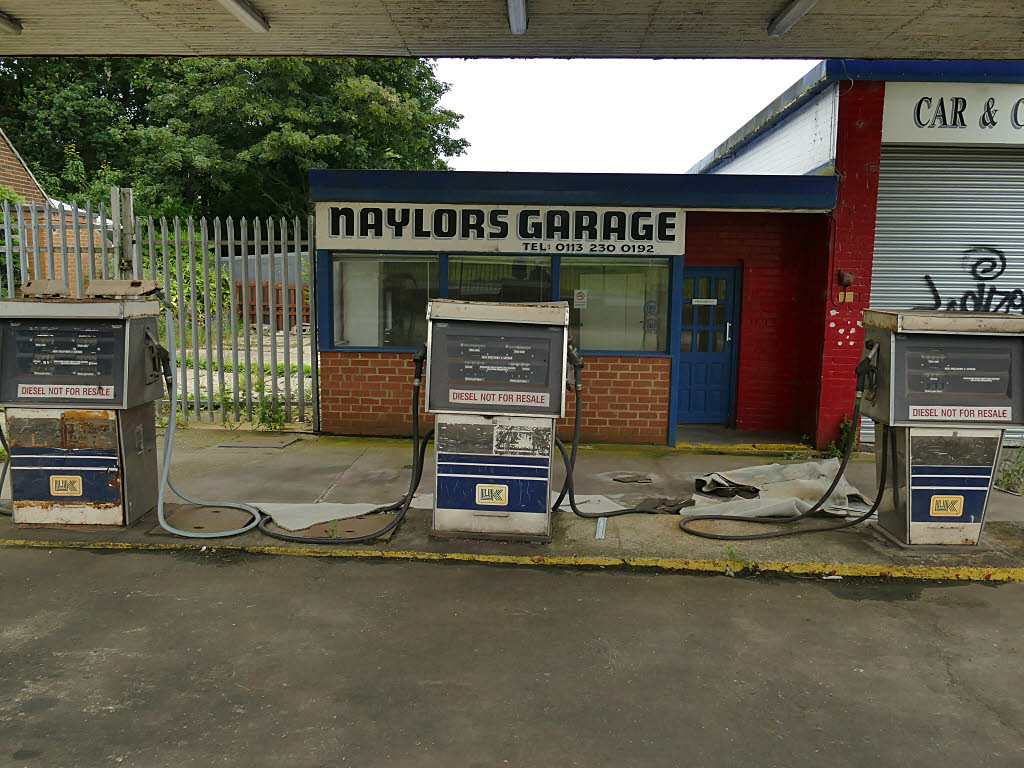
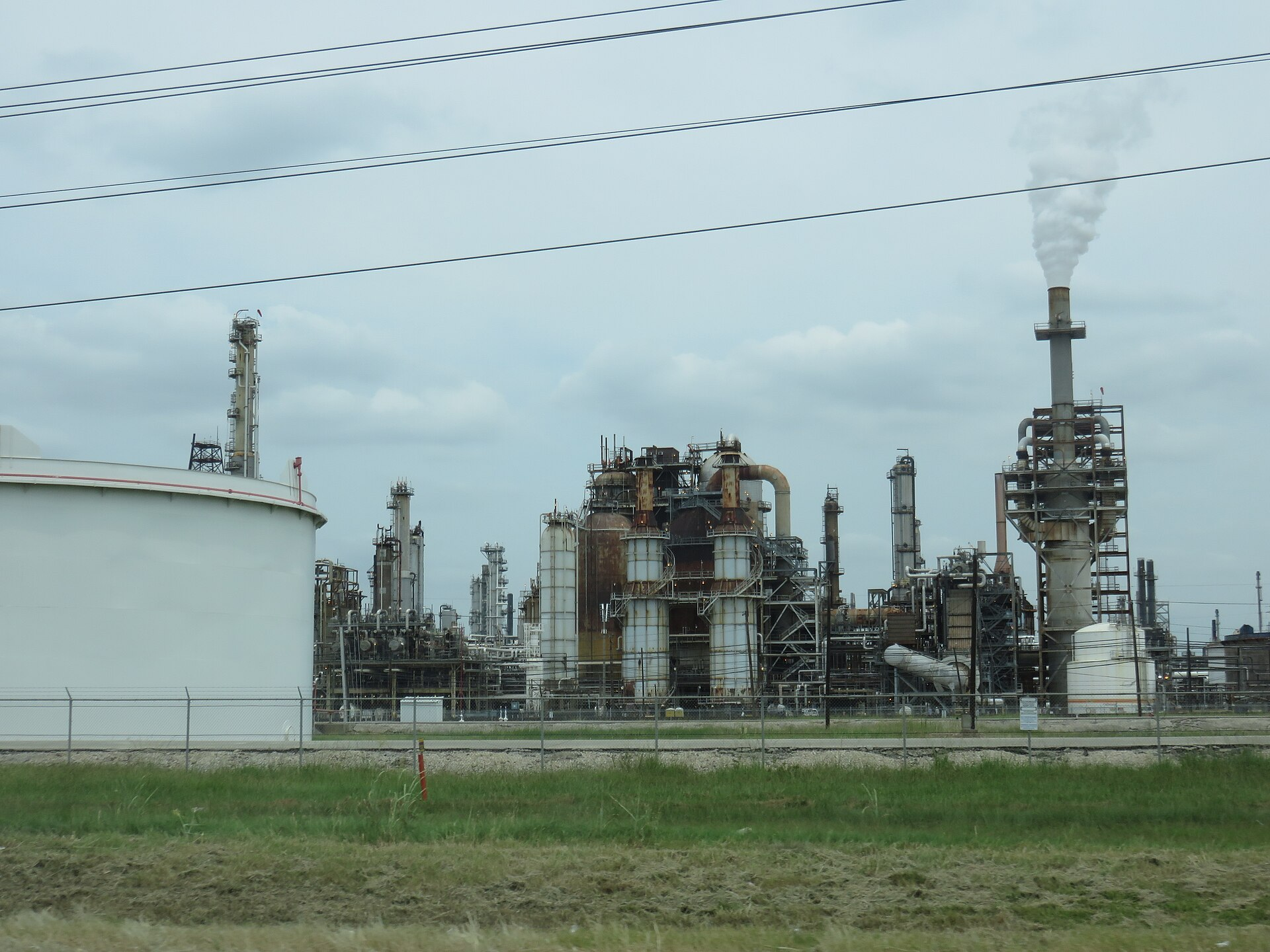
G7 nations agree to release oil reserves as wars drive diesel prices to record highs
The four-month coordinated release through the IEA comes after Trump threatened to ban US diesel exports unless European countries opened their stockpiles.
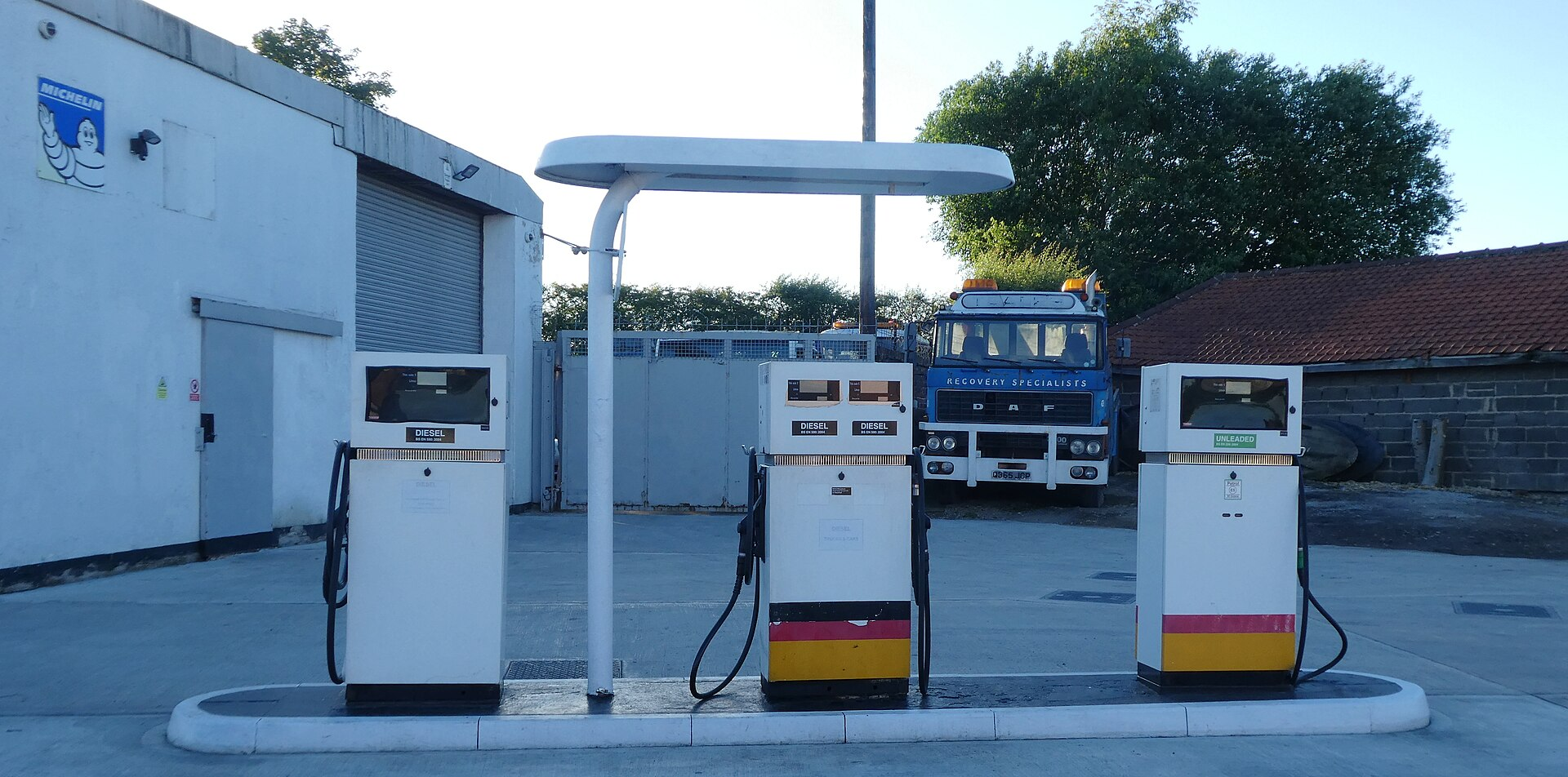
The G7 has agreed to release 100 million barrels of oil reserves over four months, coordinated through the International Energy Agency, with a frontloaded substantial diesel release within the first 20 days by G7 members and partners. The move aims to cool record diesel prices.
The coordinated action comes as simultaneous wars strangle diesel supplies on multiple fronts. The US-Iran war began in late February, with the US and Israel attacking Iran and disrupting oil shipping traffic through the Strait of Hormuz, a major throughway for the global oil trade. Over seven months, the conflict has severely disrupted the production and transportation of wholesale oil and refined products from the region, causing prices to surge worldwide. Ukrainian attacks on Russian refineries have further constrained diesel supplies to the world market, while China has restricted exports of refined fuels. The combined pressure has pushed the UK average diesel price to 200.01p per litre, according to the RAC, breaching the £2 threshold for the first time. In the US, the national average for a gallon of diesel stood at $6.37 on Friday, remaining elevated after hitting a record earlier in September. The crisis has ignited calls for political leaders to protect consumers against rising cost pressures.
The agreement
The G7 meeting was chaired by French President Emmanuel Macron. The group’s members are France, Canada, Germany, Italy, Japan, the United Kingdom, and the United States, with the EU also participating in its meetings. In a joint statement, the G7 said the agreement will avoid moves that could exacerbate market tensions. Member countries agreed not to impose export restrictions on one another. The statement came after European countries had pushed back against US threats to turn off American diesel shipments, against a backdrop of war in the Middle East and reduced supplies from Russia and China. The G7 also said it will convene in the context of the IEA in the coming days to discuss the possibility of additional diesel releases as necessary. EU commissioner for energy Dan Jørgensen said Europe was discussing diesel reserves with all IEA members, not only the US.
Trump’s pressure campaign
Donald Trump had threatened to ban US diesel exports if European countries did not release their stockpiles. He posted on Truth Social that Europe agreed to release a massive amount of their heavily stocked diesel oil. The threat alarmed allies. The EU said earlier on Friday it fully rejected Trump’s threat of a diesel export ban. EU trade chief Maros Sefcovic said any move to restrict diesel exports would be unexpected and have a negative impact on Europe’s economic outlook. The US supplied around half of the EU’s diesel imports in August, according to the IEA. Treasury Secretary Scott Bessent said Thursday that US partners in Europe should accelerate delivery on existing commitments and make additional supplies immediately available. Trump subsequently seemed to lean against an export ban due to its potential impact on gasoline prices. Trump is facing mounting political pressure ahead of US midterm elections in November. His approval rating has hit a career low of 32%.
Pump prices hit records
The cost of filling an average family car with diesel is now £110, nearly £32 more than before the Iran war. UK diesel prices have risen 40.5% since late February. “This is a pump price threshold that no one wanted to cross,” said Simon Williams, RAC head of policy. Williams added that the price rises will be very challenging for households and companies that drive a lot of miles, from commuters, haulage and delivery firms, businesses with large fleets all the way through to sole traders. Even people who do not drive a diesel vehicle face a knock-on effect from rising delivery costs and the higher cost of producing food. The UK government has stressed there is no cause for concern about potential diesel shortages. The country has reserve supplies for 42 days. In the US, diesel prices hit a record high of $6.52 per gallon on September 22. US diesel inventories fell to a record low of 107.9 million barrels as of September 11, 2026.
Market reaction
Reports of talks to release reserves fuelled a 2.5% fall in the price of Brent crude to $99.78 a barrel, according to The Guardian. Ole Hansen of Saxo Bank said the main stress in the energy market is no longer crude availability but refined product supply, constrained by reduced refinery capacity across the Middle East and Russia. Walt Chancellor of Macquarie Group said the core issue is not a diesel problem but a global energy problem, and the solution is more oil through the Strait of Hormuz. Crude oil exports from the Persian Gulf are at or near prewar levels, though volumes remain volatile and fuel shipments from the region stay far below normal.
Sources & methods
- Al Jazeera Archived Oct 2, 2026
- BBC News Archived Oct 2, 2026
- CNBC Archived Oct 2, 2026
- The Guardian Archived Oct 2, 2026
Reporting based on G7 joint statements, RAC fuel price data, IEA supply figures, American Automobile Association price data, Brent crude pricing reported by The Guardian, and interviews with energy market analysts at Saxo Bank and Macquarie Group.